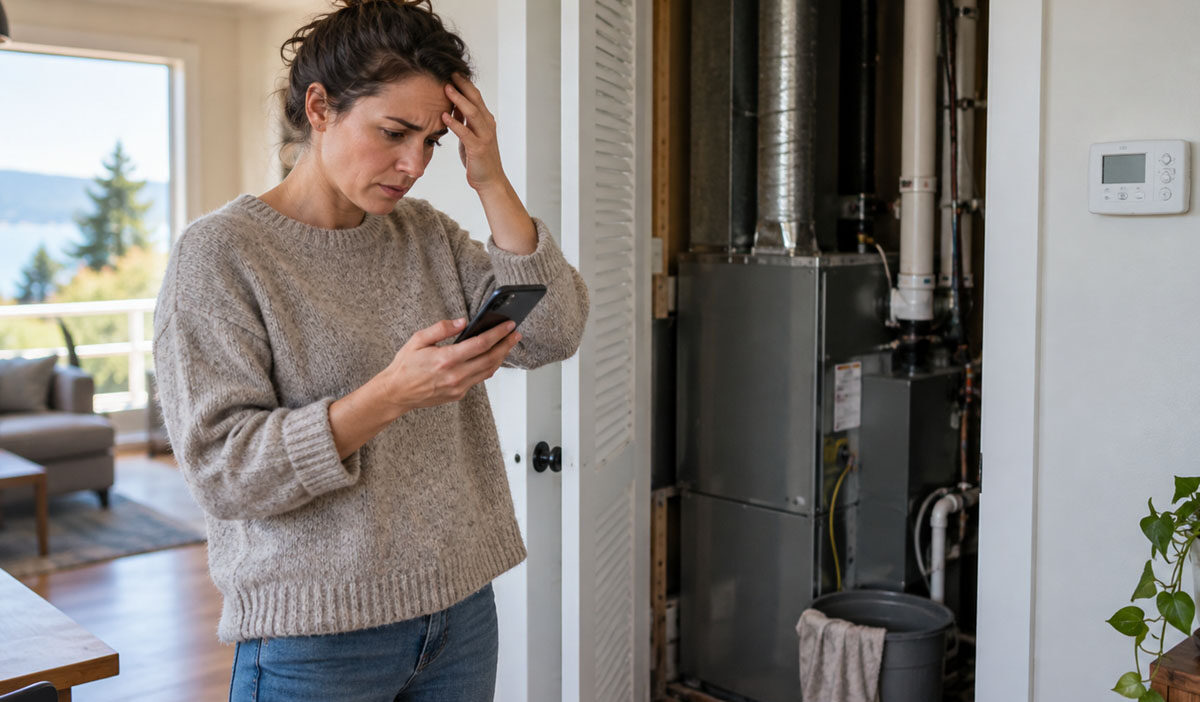
When the furnace quits during a cold snap, or the air conditioner stops working on a muggy afternoon, quick, steady decisions can prevent greater damage. Tacoma’s damp winters and sudden summer warmups place stress on HVAC systems, and emergencies rarely happen at a convenient time. The first hour should focus on safety, simple stabilization, and gathering clues that a technician can use. Knowing when to shut equipment down, what to check at the thermostat and breaker panel, and which symptoms indicate water or electrical risks can help prevent secondary problems such as a ceiling leak from a clogged condensate drain or a damaged compressor. Here is a practical guide for homeowners during the moments that matter most.
1. What Counts as an HVAC Emergency in a Tacoma Home
Some problems require immediate attention because they pose safety risks or can quickly damage equipment or property. Carbon monoxide alarms, the smell of gas near a furnace or gas line, water actively leaking from an air handler or ceiling, and breakers that trip again immediately after a single reset should all be treated as emergencies. Other serious warning signs include refrigerant hissing accompanied by frost on refrigerant lines, burning smells from the blower cabinet, and a complete loss of heat during nights when temperatures are near freezing, especially in households with infants, older adults, or people with medical needs. In these situations, contacting local Emergency HVAC Repair Specialists in Tacoma, WA makes sense, but what you do in the first hour still matters for protecting both people and equipment.
2. First Hour Actions: Stabilize the System and Stay Safe
If a carbon monoxide alarm sounds, evacuate the home and call 911. If you smell gas, do not light matches, operate electrical switches, or create a spark. Leave the building and contact the gas utility from outside. Only operate a gas shutoff valve if you know exactly how to use it and can do so safely. If water is collecting around the indoor air handler or dripping through a ceiling, switch the HVAC system to Off at the thermostat. If water is near electrical components, avoid entering the wet area and, if possible, shut off power from a dry, safe location. If you see frost on the evaporator coil or a thick layer of ice on the suction line, turn cooling off. If the blower can operate safely, setting the fan to On may help thaw the coil without running the compressor.
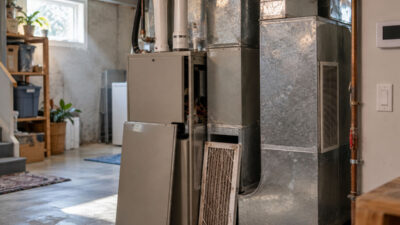
Next, do simple power and airflow checks. Check the HVAC breaker at the electrical panel. If it has tripped, reset it once. If it trips again, leave it off and arrange service. Repeated resets can overheat electrical components or damage the compressor. Inspect the return air filter and replace it if it is heavily clogged, since restricted airflow can contribute to evaporator icing and furnace overheating. Confirm that the thermostat is set to the correct mode, such as Heat or Cool, and replace the thermostat batteries if the display is dim or blank. Outside, clear pine needles, leaves, and other debris from around the condenser or heat pump so air can circulate freely. Aim for approximately two feet of open space around the unit.
3. Diagnose Common Failure Patterns Without Taking Risks
Short cycling accompanied by a blinking furnace diagnostic light can indicate a safety shutdown related to the flame sensor, pressure switch, inducer, or another control component. If the blower runs during cooling but the air from the registers remains warm, the evaporator coil may be frozen, or the refrigerant charge may be low. Leave the compressor off rather than repeatedly restarting it. An outdoor unit that stays silent while the indoor blower runs may indicate a failed capacitor, contactor, disconnect, or electrical supply problem. During summer, a full condensate pan can activate a float switch that shuts down cooling to prevent overflow. With heat pumps, steam from the outdoor unit and a temporary change in operating sound during a defrost cycle can be normal and do not necessarily indicate a fire or mechanical failure.
Scenario 1: A Saturday heat wave arrives, and the AC stops cooling. You notice that the larger refrigerant line is covered with ice and the insulation around it is wet. Turn cooling off, replace a dirty 16 x 25 x 1 filter at the return, and make sure all supply and return registers are open. Let the ice melt completely before evaluating the system. Running the compressor while the coil remains frozen can contribute to additional damage.
Scenario 2: On a December night, the furnace inducer starts, but the system shuts down shortly afterward. Confirm that the thermostat is set to Heat and that its batteries are fresh. Note any diagnostic light flashes visible through the furnace sight glass, but do not remove panels or bypass safety controls. Leave the system off if repeated attempts produce the same shutdown pattern so a technician can inspect the igniter, flame sensing components, venting, and safety controls.
4. When You Can Wait and When to Call Immediately
Call immediately for problems involving safety or rapidly developing damage. These include carbon monoxide alarms, gas odors, water leaking through drywall, a breaker that trips again after one reset, or a compressor that repeatedly clicks or hums without starting. Severe frost on refrigerant lines accompanied by unusual mechanical noise, burning odors from the air handler, or a complete loss of heat during freezing conditions also warrants prompt professional attention. Acting quickly can limit risks to electrical wiring, the heat exchanger, compressor components, and finished areas of the home.
Some problems may wait until normal service hours if outdoor temperatures are moderate and the equipment can be safely turned off. Examples include an AC system that cools poorly but still moves air on a mild day or a heat pump that briefly produces cooler supply air during a normal defrost cycle. The practical consideration is comfort versus equipment protection. If the evaporator coil is icing or you suspect refrigerant problems, shut the system down to protect the compressor. If a minor noise appears but performance remains normal, monitor the system closely and arrange service. If the symptoms worsen, turn the equipment off rather than continuing to operate it.
Prepare for the Technician: Details That Speed Up the Repair
Before the technician arrives, write down the model and serial numbers from the furnace or air handler and the outdoor condenser or heat pump. Note the date of the last filter change, the filter size, any recent power outages, and the thermostat settings when the problem began. Take clear photos of visible symptoms such as frost on the refrigerant line, water in the condensate pan, or an error code on a thermostat or control display. Clear a path to equipment located in the attic, garage, basement, or crawl space, and secure pets before service begins. If a condensate drain outlet is easily accessible outdoors, a wet/dry vacuum may help remove a simple blockage, but stop if the line does not clear easily or if you are unsure how the system is configured.
A small household HVAC kit can make emergencies easier to manage. Keep spare filters, thermostat batteries, a flashlight, absorbent towels, and clear labels for breakers serving the furnace, air handler, and condenser. Keep a record of who you called, when the problem started, and any diagnostic flashes, noises, or odors you noticed. These steps will not repair ignition failures, failed capacitors, refrigerant leaks, or damaged motors, but they can prevent additional damage, shorten diagnostic time, and improve safety until a qualified technician addresses the underlying problem. In a city with damp winters and sudden summer temperature spikes, careful decisions during the first hour can help your HVAC system recover with less disruption.