Key Takeaways
- Consistent routines can help teens manage schoolwork, sleep, activities, and responsibilities.
- An effective structure combines clear expectations with support, flexibility, and appropriate choices.
- Movement, teamwork, service, and reflection can all contribute to healthy development.
- Families should look beyond grades when considering whether a school environment supports the whole student.
The teen years bring changing schedules, growing independence, academic demands, friendships, and decisions about the future. A thoughtful routine can give students a dependable framework for handling those demands. For families considering a private boarding school or another educational setting, the important question is not whether every hour is planned. It is whether the day gives students enough direction, support, activity, and recovery to grow.
Structure should not mean harsh control. It works best when adults establish clear standards, explain why they matter, and give teens a meaningful role in managing their own time. A student who understands the purpose of a routine is more likely to practice it when no one is watching.
Why Structure Matters During The Teen Years
Adolescence can be a period of rapid change in sleep patterns, motivation, social priorities, and decision-making. Predictable routines reduce some of the daily uncertainty around getting ready, completing assignments, participating in activities, and preparing for the next day. During school-year transitions, simple habits such as packing materials the night before and reviewing the next day’s commitments can lower last-minute stress.
Trusted adults remain essential. Teachers, coaches, parents, and mentors can help a teen notice when a schedule has become unrealistic, when a responsibility needs more time, or when stress is interfering with progress.
The Building Blocks Of A Strong Daily Routine
- A consistent start:Wake up, eat, prepare, and arrive ready to participate.
- Focused learning periods:Reserve time for classes, reading, assignments, and long-term projects.
- Movement:Include sports, walking, fitness training, dance, or active recreation.
- Recovery:Protect time for meals, rest, sleep, and breaks from screens.
- Reflection:Review deadlines, goals, and responsibilities before the day ends.
How Routines Can Support Academic Focus
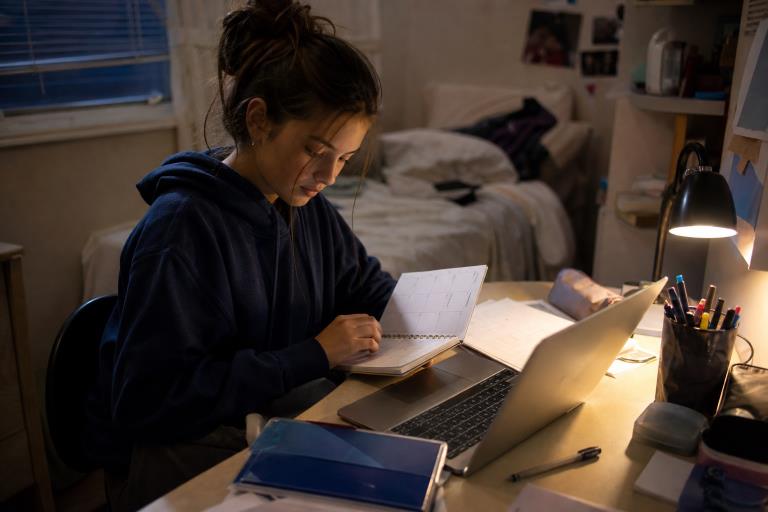
Repeated habits make it easier to begin. A designated homework period, an organized backpack, a weekly planner, and a phone-free study block can reduce the friction that often delays schoolwork. These practices do not replace strong teaching, adequate sleep, or emotional support, but they can help students use those supports more effectively.
A Simple Evening Checklist
Consider an illustrative example: A student who regularly forgets assignments starts spending 10 minutes each evening checking the class portal, placing completed work in a folder, charging a laptop, and writing the next day’s top priority. The checklist will not solve every academic challenge, but it can turn preparation into a repeatable habit rather than a rushed morning task.
Fitness And Learning: Why Movement Belongs In The Schedule
Physical activity belongs in a balanced day because it supports physical health and can help students manage energy and stress. Organized sports are one option, but they are not the only one. Running, cycling, strength training, dance, hiking, martial arts, and active recreation can all give teens opportunities to move in ways they enjoy.
For young people ages 6 through 17, the CDC recommends at least 60 minutes of physical activity every day, with vigorous, muscle-strengthening, and bone-strengthening activities included during the week. Progress should be gradual and appropriate to the student’s abilities, rather than driven by appearance or constant competition.
A Balanced Weekly Pattern
- Schedule active time most days, including practices, walks, workouts, or recreational play.
- Protect regular homework periods and use weekends to begin larger assignments.
- Keep at least some unstructured time for family, friends, hobbies, and rest.
- Adjust the plan during exams, travel, illness, or periods of demanding activity.
Where Leadership Skills Really Come From
Leadership is learned through repeated action, not just through a title. Teens develop it when they speak clearly, listen before deciding, divide work fairly, meet deadlines, and take responsibility for mistakes. Helping a new teammate, tutoring a younger student, organizing a service project, or following through on a group commitment are all practical leadership experiences.
A 2026 Purdue Extension program showed how communication, public speaking, teamwork, and hands-on problem-solving can help teens build confidence and contribute to their communities. Schools and families can create similar opportunities by inviting students to lead small tasks before expecting them to manage larger responsibilities.
Structure Should Still Leave Room For Choice
Teens need room to make decisions within reliable boundaries. They might choose which activity to pursue, decide when to complete work within an assigned study window, or set a personal fitness or academic goal. Accountability means reviewing commitments and learning from results. Micromanagement means removing every decision from the student.
When a routine is not working, adults should ask useful questions, such as: Is the workload realistic? Is the student sleeping enough? Are there distractions, conflicts, or learning needs that require attention? Small adjustments can build independence more effectively than abandoning the plan or immediately imposing stricter rules.
Questions Families Should Ask About A School Routine
- How does the schedule balance academics, activity, rest, and free time?
- What support is available when a student falls behind?
- How are time management and responsibility taught in daily practice?
- Can every student access opportunities in leadership, service, arts, athletics, or technology?
- How does the school respond to stress, conflict, homesickness, and social pressure?
- How often do educators communicate with families about progress and concerns?
Common Mistakes To Avoid
- Creating a schedule with no meaningful time for sleep or recovery.
- Changing too many habits at once.
- Using punishment as the main source of motivation.
- Assuming every teen responds to the same structure in the same way.
- Measuring success only through grades, awards, or athletic results.
A Simple Four-Step Plan For Building Better Habits
- Choose one priority:sleep, organization, homework, or movement.
- Set a clear cue:Attach the habit to something that already happens each day.
- Track progress:Use a calendar, checklist, or reminder system.
- Review weekly:Keep what works and change what adds unnecessary pressure.
How Parents And Educators Can Work Together
Short, regular conversations are often more helpful than waiting until a major problem arises. Adults can reinforce similar expectations about deadlines, respectful behavior, effort, and follow-through while still listening to the student’s perspective. Recognizing reliability, improvement, kindness, and persistence helps teens see that growth involves more than a final score.
Conclusion
A well-designed routine provides teens with a solid foundation for learning, physical well-being, confidence, and leadership. The strongest routines are not rigid or identical for every student. They provide direction, support meaningful choices, and leave room for rest, relationships, and gradual growth.