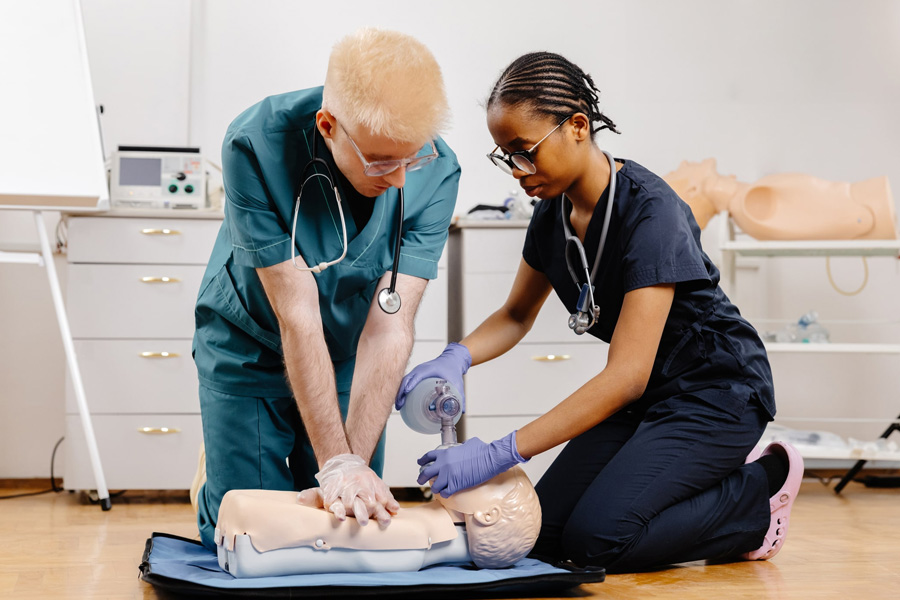
Practical nurses provide direct, essential care for people who are ill, recovering, living with disabilities, or managing long-term health needs. For people considering a healthcare career, a practical nursing (LPN) certificate can be an important step toward learning the clinical foundations, communication habits, and professional responsibilities involved in patient care.
Licensed practical nurses, often called LPNs, and licensed vocational nurses, often called LVNs in some states, work as part of a larger care team. Their exact responsibilities depend on state laws, workplace policies, the patient population, and the direction of registered nurses, physicians, or other qualified providers.
What Practical Nurses Do Each Day
Practical nursing combines routine clinical tasks with close observation and compassionate support. A practical nurse may check vital signs, assist with hygiene and mobility, change dressings, document care, listen to patient concerns, and report changes in condition to the appropriate member of the care team.
Safe practice requires knowing when to act promptly. For example, a nurse who notices that a patient is newly confused, short of breath, or reporting unusual pain should follow workplace procedures, reassess as appropriate, and communicate the concern without delay. Careful reporting helps the team respond to meaningful changes.
The typical duties of licensed practical and licensed vocational nurses include monitoring health, providing basic comfort measures, discussing care with patients, maintaining records, and communicating patient status to other clinicians.
Where Practical Nurses Work
Practical nurses can work in many care environments, and each setting changes the rhythm of the day.
- Nursing and residential care facilities: Care may focus on long-term needs, medication routines, mobility, comfort, and changes in residents’ health.
- Hospitals: Nurses may support patients with acute needs in fast-paced environments, depending on the unit and the state’s scope of practice.
- Physicians’ offices and outpatient clinics: Work may involve intake tasks, routine procedures, patient education, and follow-up communication.
- Home healthcare: Nurses may visit patients at home and reinforce care instructions for patients and their families.
- Rehabilitation and community programs: Roles may support recovery goals, chronic-condition management, and ongoing care coordination.
Skills That Matter On The Job
Technical Skills
Practical nurses need reliable hands-on skills and a consistent approach to safety. Important abilities include measuring vital signs, following infection-control practices, accurately documenting, assisting with treatments within the legal scope of practice, and recognizing concerns that require escalation.
People Skills
Technical knowledge is only part of effective nursing. Clear communication, patience, attention to detail, teamwork, emotional steadiness, and respect for privacy all matter. A calm explanation can help an anxious patient cooperate with care, while precise communication during handoff can prevent important information from being missed.
Education, Clinical Practice, And Licensure
The path to practical nursing usually begins with reviewing program admission requirements and completing a state-approved educational program. Coursework commonly covers nursing fundamentals, anatomy and physiology, pharmacology, and patient care. Students also complete supervised clinical experiences to apply classroom learning in real care settings.
- Review prerequisites, admissions standards, and program approval status.
- Complete practical nursing coursework and clinical training.
- Apply to the appropriate state board of nursing after graduation.
- Meet background, documentation, and other state-specific requirements.
- Register for and pass the required licensing examination.
Licensing requirements and permitted duties vary by jurisdiction. Before enrolling in a program or moving to a new state, prospective nurses should review the rules issued by the state board in the state where they plan to practice.
Preparing For The NCLEX-PN
The NCLEX-PN is designed to assess the knowledge and clinical judgment needed for safe, entry-level practical nursing practice. The 2026 NCLEX-PN test plan outlines the client-needs categories and clinical judgment expectations that guide the exam.
Preparation is more productive when it is structured. Build a weekly study plan, review core concepts, complete practice questions under timed conditions, and spend time understanding missed questions. Instead of memorizing isolated facts, practice deciding which action is safest, most urgent, or within the practical nurse’s scope of practice.
What The Workday Is Really Like
Practical nursing can be rewarding because it creates opportunities to build trust, ease discomfort, and notice patient progress over time. It can also be physically and emotionally demanding. Nurses may spend long periods standing, moving between patients, handling competing priorities, and working nights, weekends, or holidays.
A typical shift may include reviewing assignments, receiving handoff information, checking on patients, completing scheduled care, documenting observations, communicating with the team, responding to new needs, and preparing a clear report for the next shift. Consistent organization helps nurses protect both patient safety and their own focus.
Career Growth And Next Steps
Practical nursing can be a starting point for several professional directions. With experience and applicable employer or state requirements, nurses may pursue specialty education, develop leadership skills, take on supervisory responsibilities, or continue their education through an LPN-to-RN pathway. Growth depends on personal goals, local regulations, experience, and the opportunities available in a chosen setting.
A Practical Career-Readiness Checklist
- Research the scope of practice in the state where you want to work.
- Compare approved programs, clinical experiences, costs, and student support.
- Plan for tuition, supplies, transportation, study time, and clinical scheduling.
- Understand the licensure application and examination process.
- Create a basic healthcare resume and practice professional communication.
- Consider whether the physical demands and possible work schedules fit your needs.
- Prepare thoughtful questions for admissions staff, clinical instructors, and employers.
Final Thoughts
Practical nursing calls for clinical knowledge, close attention, stamina, and genuine human connection. Strong candidates look beyond the job title. They learn the rules that apply where they intend to practice, build dependable study habits, and prepare for the daily responsibility of helping patients receive safe, respectful care.