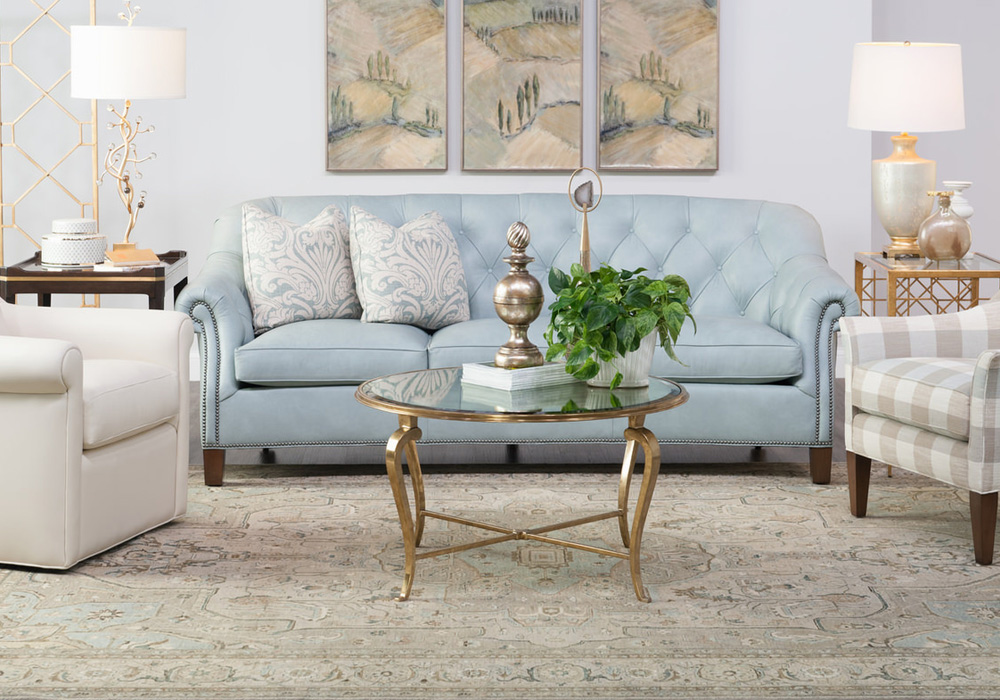
Good pre-owned buys start with inspection rather than style alone. Choosing an American-made dresser or sofa means checking two separate things: where it was built and whether its size, construction, and condition suit your home.
Verify origin piece by piece
A familiar American brand name is a starting point, not proof of where a particular dresser or bedside table was built. Check the individual piece rather than assuming that every product bearing the same logo has the same origin.
Look underneath, behind the piece, and inside drawers for a country-of-origin label, manufacturer stamp, or model number. Ask for clear photos of any markings. A brand stamp can help identify the maker, but it isn’t necessarily a manufacturing-origin label. If American manufacture is a priority, look for an explicit origin statement or manufacturer documentation tied to that model. A missing label calls for more investigation, not an automatic conclusion either way.
Look closely at joinery and materials
Photos can hide weak spots, so check how the piece is put together. Pull a drawer fully out and study the corners. Snug dovetail joints that fit tightly without wide gaps can point to careful case work, while loose corners or failed glue lines deserve a second look.
Solid wood may offer refinishing options, but the finish, previous repairs, and depth of any damage still matter. Veneer isn’t automatically a compromise; inspect it for lifting edges, chips, or bubbles. Swelling or crumbling around feet and screw holes deserves closer attention. For chairs and tables, examine where the legs meet the rails, and ask whether joints have been repaired. Judge the piece as a whole rather than treating a single material or joint type as proof of quality.
Separate cosmetic wear from structural damage. A surface scuff may be acceptable as it is, while a cracked leg or loose joint may require professional repair. Don’t assume polish will remove a mark; the appropriate treatment depends on the finish.
Judge upholstery by the support inside
Fabric condition tells only part of the story with sofas and armchairs. If inspecting in person, lift removable seat cushions and check for sagging, uneven support, and damaged seams. Sit in each seating position and listen for creaks or movement. A spring-system description alone won’t tell you how comfortable or sound a used sofa is today.
For online purchases, ask about frame repairs, cushion condition, odors, and stains. Request close-ups of any damage and ask whether cushions or upholstery have been replaced. Browse pre-owned pieces at retailers such as High End Used Furniture with the same checklist, comparing each item’s photos and description rather than relying on styled front shots alone. A construction detail such as staples isn’t a verdict on quality; its location and the condition of the surrounding joints matter.
Slipcovers and reupholstery can freshen a strong frame. New cloth won’t fix a broken one.
Compare total cost and seller terms
Tape measurements are more reliable than eye estimates. Write down width and depth, then check door swings and stair rails. Many buyers forget that a 90-inch sofa won’t bend around a tight hall.
Compare the delivered cost, not just the listed price. Ask whether delivery includes bringing the piece inside, carrying it upstairs, assembly, and packaging removal; service descriptions can differ. Request a written quote showing any freight, stair, or access fees. If a purchase depends on refinishing or replacing cushion foam, get a repair estimate before committing. A low purchase price may be less appealing once those costs are included.
Good sellers post plenty of photos showing sides and backs, drawer interiors, and close-ups of flaws. Read every condition note and compare it with the pictures. Check return windows and who pays return freight if the color or fit is off. Clear terms protect both sides.
Fit scale and use to the room
A nightstand that works in a large bedroom can crowd a small one. Measure floor space and leave room to open drawers and doors fully. Case height matters too, since a tall armoire needs ceiling clearance and a clear path from the entry.
Match the piece to its everyday job. For a dining table or desk, consider usable surface area, comfortable legroom, and a finish suited to frequent use. Choose drawer depth around what you need to store, and check that drawers open comfortably in the intended spot. With pets or children, consider how easily surfaces and upholstery can be cleaned.
Wood tones and fabric colors don’t have to match across rooms. It’s better to pick shapes that can work in another spot if plans change. A compact bench can serve in an entry now and at a table later.
Don’t let listing labels replace an inspection. Secondhand describes prior ownership, not a particular age or level of wear. If a seller uses terms such as vintage or antique, ask for the item’s approximate date and the basis for it. Buy for the piece’s usefulness and condition rather than the appeal of a label.
Patient checks beat quick clicks. When labels, build, size, and terms all line up, a pre-owned American-made piece can serve well for years.