Key Takeaways
- Plan exterior upgrades as one connected system, not as unrelated purchases.
- Address safety concerns, active leaks, drainage failures, and rot before cosmetic changes.
- Coordinate windows, doors, siding, roofing, trim, gutters, and outdoor structures where they meet.
- Use a detailed written scope to compare proposals and prepare for concealed repairs.
- Phasing can protect the budget when each stage is designed around later work.
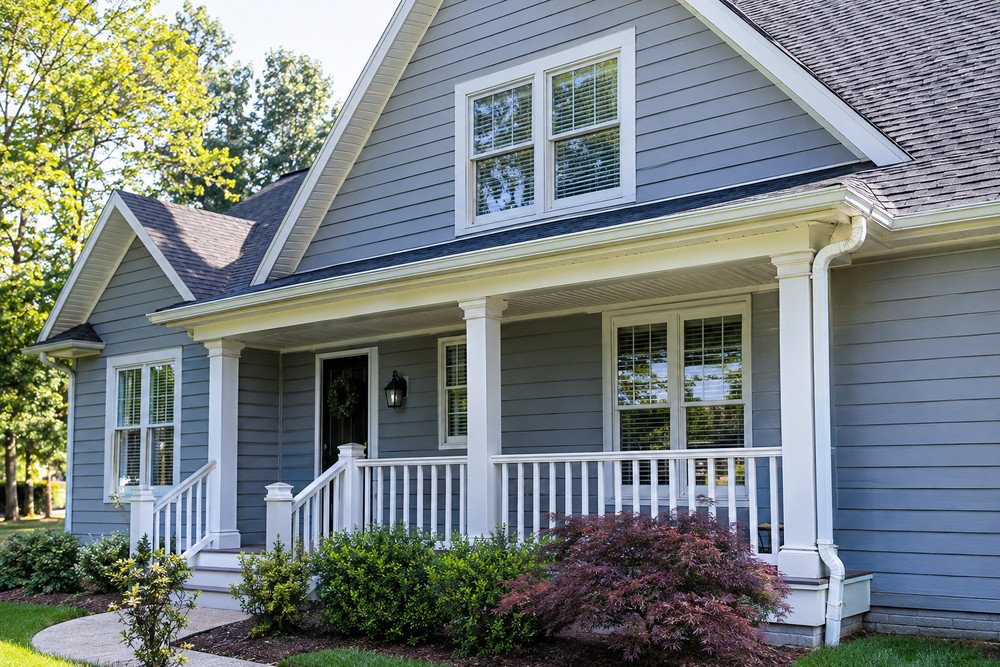
Exterior remodeling in Bull Run, Virginia, often begins with a visible concern, such as faded siding, a drafty room, worn trim, or an aging entry door. A better starting point is to consider how the entire exterior handles water, weather, comfort, and regular upkeep. Homeowners considering new openings can consult a windows installer Bull Run, VA while also evaluating the siding, trim, flashing, and drainage details that surround those openings. Windows, doors, roof edges, gutters, exterior walls, and decks all meet at vulnerable connection points. Replacing one component without considering the surrounding materials can lead to repeated labor or later disruption. For example, installing new siding before deciding whether old windows need replacement may require finished siding or trim to be removed when the window project begins.
Start With a Condition Assessment
Inspect the home before selecting colors, profiles, or product lines. Walk around the property after rainfall if possible, take photographs, and note concerns by elevation. Look for roof-edge issues, loose or overflowing gutters, downspouts that discharge too close to the house, cracked caulk, soft trim, siding damage, and stains near windows or doors. Separate surface issues from signs of a deeper problem. Faded paint may call for preparation and repainting, while soft wood, peeling coatings near a seam, or staining below a roofline can suggest moisture that needs investigation. If an older home has painted exterior surfaces that will be sanded, scraped, or disturbed during paid renovation work, review the EPA guidance on lead-safe renovation practices for pre-1978 homes before work starts.
Set Priorities Before Materials
A clear priority order prevents an attractive upgrade from hiding a costly defect. Use this sequence when creating the project scope:
- Safety: Stabilize loose railings, failing steps, damaged porches, and unsafe entrances.
- Water control: Correct active leaks, failed flashing, drainage problems, and water that collects near the foundation.
- Building protection: Repair rot, damaged sheathing, failed seals, and exposed wall materials.
- Comfort: Address drafts, poor air sealing, and insulation gaps around exterior openings.
- Appearance: Finalize colors, decorative trim, lighting, and landscape improvements after the protective work is defined.
Coordinate Connected Projects
Some exterior improvements are easier and cleaner when planned together. Window replacement may affect surrounding trim, flashing, and siding. A new entry door can change the threshold, adjacent wall finish, porch steps, lighting placement, and weather protection. Roofing and gutter work should be reviewed together because fascia, drip edges, gutter attachment, and downspout discharge all influence water movement. Deck and porch projects also deserve a broader review. Check the attachment point at the house, the condition of nearby doors, surface drainage, and whether the finished grade will direct water away from the structure. For projects requiring approvals, homeowners can use Prince William County’s permitting and inspection portal to review local development-services information before construction begins.
Choose Materials for Long-Term Care
Material selection should reflect sun exposure, wind-driven rain, seasonal temperature changes, nearby trees, and the amount of maintenance the household can realistically perform. The best product is not simply the one with the most appealing sample board. It is the one that suits the wall assembly, the architectural style, the installation details, and the owner’s ability to maintain it.
Questions to Ask Before Selecting a Product
- How will the material handle moisture and repeated expansion and contraction?
- What cleaning, repainting, sealing, or inspection will it need?
- Can a damaged section be repaired without replacing a large area?
- Will its color and profile work with the roof, doors, trim, and landscaping?
- What flashing, drainage plane, ventilation, or clearance details are required?
Build a Practical Budget
A realistic exterior budget includes more than the visible material price. Allow for removal and disposal, preparation, permits where required, access equipment, protection for landscaping and walkways, cleanup, and final adjustments. Include a contingency amount for concealed damage, as opening a wall, removing deteriorated trim, or lifting old roofing can reveal repairs not visible during the first inspection. Ask for estimates that identify what is included and what would trigger an additional charge. A proposal that says “repair as needed” without a process for documenting, pricing, and approving repairs can make it difficult to control the final cost.
Decide Whether to Phase the Work
Completing all exterior work at once can reduce repeated setup and disruption, but phasing may be more manageable when the home is stable, and the sequence is deliberate. A practical order is to resolve active leaks and safety issues first, repair damaged framing or sheathing next, then coordinate windows, doors, siding, roofing, gutters, and cosmetic finishes.
Before phase one begins, identify work likely to occur in phase two. This simple step helps prevent a new finish from being cut back, removed, or damaged later.
Compare Contractors and Written Proposals
Compare proposals by scope, not by the bottom-line number alone. Each estimate should identify materials, quantities, preparation work, removal, disposal, protection measures, expected schedule, payment terms, warranty information, and responsibility for permits or inspections. Confirm how hidden damage and change orders will be handled before signing.
Avoid Common Exterior Remodeling Mistakes
- Choosing appearance first: Color cannot solve drainage, rot, failed flashing, or unsafe conditions.
- Assuming replacement is always necessary: Some concerns can be resolved with localized repair, hardware, weatherstripping, caulk, or drainage corrections.
- Ignoring water movement: Gutters, grading, roof edges, and wall transitions should be reviewed together.
- Accepting vague language: Define what “as needed” repairs mean before work starts.
- Forgetting maintenance: Consider access, cleaning, repainting, sealing, and replacement parts before committing.
Final Project Checklist
- Have safety and active water problems been addressed first?
- Are windows, doors, siding, trim, roofing, gutters, and drainage details coordinated?
- Does the written scope list preparation work and specific materials?
- Is there a documented process for concealed damage and change orders?
- Are permit, inspection, cleanup, and warranty responsibilities clear?
- Will the finished work support future improvements without unnecessary removal?
Conclusion
A successful exterior improvement project in Bull Run starts with a clear understanding of the property’s condition and priorities rather than simply choosing materials from a product catalog. Before making design decisions or requesting contractor estimates, homeowners should assess the roof, siding, windows, gutters, drainage, foundation, and other exterior components to identify existing problems and areas that may need attention. Water intrusion, poor drainage, damaged materials, and potential safety concerns should be addressed before focusing on cosmetic upgrades. It is also important to consider how different exterior features interact, since changes to roofing, siding, windows, or drainage can affect the performance of adjacent areas. When comparing contractors, request detailed written proposals that explain the recommended work, materials, labor, preparation, project schedule, warranties, and potential additional costs. Homeowners should also consider maintenance requirements, local weather conditions, energy efficiency, and how proposed improvements fit the property’s overall design. Taking these steps can make budgeting and project coordination easier while reducing the risk of overlooked repairs or unexpected expenses. With careful planning and informed decisions, Bull Run homeowners can invest in exterior improvements that enhance curb appeal, improve everyday comfort, and provide dependable protection for the property over time.