Clarify the Job Scope Before You Call
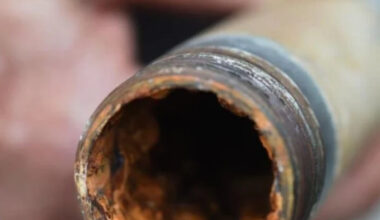
Define your needs before phoning. Note symptoms with dates and locations: a dwindling upstairs shower stream, a stubbornly gurgling kitchen sink, a clicking but not firing water heater. Take photos of leaks, stains, and corrosion. Determine what needs immediate attention and what can wait. Choose a repair or upgrade, such as replacing a broken faucet with a water-saving type or a dying tank heater with a high-efficiency one. A clear scope speeds diagnosis, increases quotation accuracy, and shows professionals you appreciate their time.
Evaluate Diagnostic Approach and Tools
Good plumbers do more than guess. Ask how they pinpoint problems. Do they use acoustic leak detectors to locate slab leaks without tearing up floors. Do they deploy inspection cameras to inspect drains and vent stacks. Will they pressure test water lines and perform dye or smoke tests for drain odors. Moisture meters and thermal imaging cameras help find hidden leaks behind walls and under cabinets. A methodical diagnostic plan reduces damage to finishes and often saves money by fixing the root cause rather than symptoms.
Materials, Brands, and Long Term Performance
You pick the veins and valves that carry water through your home like blood through arteries. Explain why they propose pipe for your climate and water chemistry. Copper lasts decades but pits in hostile water; PEX is flexible and tolerant in cold snaps but needs excellent fittings and support. If needed, request full port ball valves for shutoffs, lead-free brass, stainless steel braided supply lines, and expansion tanks. Ask for fixture and heater model numbers, efficiency ratings, and warranties. Better parts upfront reduce callbacks.
Permits, Code, and Documentation
Plumbing affects safety. This is why many tasks need permissions and inspections. Check if your job needs a permit and who pulls it. Discuss inspection schedule and adjustments by inspectors. Check code compliance for anti-scald mixing valves, dishwasher air gaps, irrigation backflow preventers, water heater seismic strapping, and gas appliance venting and combustion air. Request images of concealed work, pressure test results, model and serial numbers, and a permit card after the job is done. Organized paperwork is gold when selling or refinancing.
Scheduling, Site Protection, and Cleanliness
Respectful workers regard your house like a jobsite and a living room. Ask about floor and counter protection, clean drop cloths, shoe covers, and plastic containment for opening walls. Discuss daily start and stop times, access needs, and water/gas shutoff duration. For multi-day jobs, agree on a neat end-of-day reset to avoid stepping over buckets to reach the fridge. Determine garbage handling, heater or fixture recycling, and drywall patch and paint inclusions.
Warranty, Callbacks, and Lifetime Cost
Painting promises is insufficient. Request labor and material warranties in writing. Duration, exclusions, and warranty call scheduling. Is a clog return visit free within a specified window? Is a warranty transferable when selling? Ask about flushing tankless heaters or changing anode rods to maintain coverage. A somewhat higher bid with a robust guarantee and reliable support often saves money over time.
Communication and Professionalism
Clear communication avoids confusing flooding from small drips. Find your main contact. Ask about modification orders and pricing. Daily updates, images, and notes on multi-day projects. Does the final walkthrough demonstrate shutoff locations, new valve operation, and maintenance tasks? Marked vans, uniformed techs, on-time arrivals, and neat invoices that match the job indicate professionalism.
Maintaining ideal humidity and temperature levels within a living space also plays a significant role in preserving specialized flooring materials like terracotta and ceramic tiles over time. Homeowners managing broader renovation projects often evaluate their indoor climate control systems alongside aesthetic upgrades. Working with local professionals for hvac in Arlington Heights can help maintain stable airflow and temperature, supporting both room comfort and material durability.
Money Matters Beyond the Quote
A modest sticker price can contain expensive surprises. Request a formal estimate that lays down labor, materials, permits, disposal, and any diagnostic fees. Ask about allowances for fixtures and what happens if you choose goods exceeding that amount. Clarify exceptions, for example fixing tiling or restoring rotting framing discovered after opening a wall. Discuss time and materials versus fixed price bids and how overtime, weekend work, or additional trips are billed. Some contractors offer financing or take credit cards. Ask about rebates for high efficiency toilets, showerheads, or heaters and who handles the paperwork. If manufacturer warranties require product registration, validate the process so your coverage is not left to chance.
Safety, Insurance, and Risk Management
Plumbers work with heated surfaces, pressured water, gas lines, and tight places. Check local and work-specific licensing. Verify general liability and workers comp. Request background checks for home technicians. Request their normal gas work test method, including manometer pressure testing and soap solution or electronic detector leak inspections. Safety training, ladder procedures, and hot work protocols safeguard your family and crew, not just corporations.
Water Efficiency and Future Proofing
Every drop you save is money not wasted. Upgrade to WaterSense-rated toilets and showerheads, pressure-regulating valves to lower city pressure, and smart whole-home leak detectors with automatic cutoff. Recirculation systems reduce wait times and water usage on long routes to distant restrooms. Where finishes are opened, preinstall isolation valves and access panels. Upsizing lines, installing cleanouts, or stubbing in for a wet bar or laundry sink are options for additions or remodels. Thoughtful rough work today prevents destruction tomorrow.
Red Flags to Watch
Trust your nose. Step aside if a contractor refuses to write information, demands payment, or quotes an unrealistic price. Repair plumbing without part numbers or diagnostic processes invites scope creep. Avoid using salvaged parts in potable water systems. Ignoring permissions or inspections is another. When inquiries are answered defensively, the undercurrent is telling. Plumbing should calm, not stir up turbid water.
How to Compare Two Strong Bids
When you have two strong candidates, compare them. Sequence scope items, materials grade, fixture models, permit handling, scheduling, cleanup, and warranty terms. Who will be on site, how many techs, and will a professional plumber supervise? Change order rates. When comparing bids, value those with video inspection and documentation. A 30-minute conversation to address minor issues can disclose your ideal work style.
FAQ
How detailed should a plumbing quote be?
A good quotation includes labor, materials with model numbers or brands and grades, permit costs, disposal, and diagnostics. It should list prohibited items, reveal hidden damage, and explain change order pricing. A basic schedule with milestones and payment terms helps track larger tasks.
What is a reasonable response time for a nonemergency visit?
For routine issues, two to five business days is common during busy seasons. If you are without water or have an active leak that is contained, next day service is reasonable to request. Ask whether they offer a call ahead window and whether you can be waitlisted for earlier openings.
When is a permit typically required for plumbing work?
Permits are typically required for water heater replacements, repipes, sewer or main line work, gas line alterations, and new fixture installations that change venting or drainage. Simple one for one fixture swaps often do not require permits, but local rules vary. Your plumber should know the threshold in your jurisdiction and be comfortable pulling the permit when needed.
Is PEX better than copper for repiping?
What matters is water chemistry, installation quality, and priorities. PEX is flexible, freeze-resistant, and installs faster with fewer fittings. Copper is heat-resistant and long-lasting, but forceful water can damage it. Discuss warranty term, support spacing, PEX manifold designs, and code requirements. Customized to your home and fitted by a material expert is preferable.
Should I choose a tankless or tank water heater?
Tankless units are efficient and provide endless hot water, but they need gas, venting, and descaling. Tank heaters are cheaper, simpler, and can use hybrid heat pumps to save energy in mild regions. Take into account household need, space, utilities, and maintenance. Load calculations and site checks typically clarify the decision.
Are camera inspections worth the cost?
Yes, for frequent clogs, slow drains, and older homes. Cameras detect fractures, offsets, roots, and inappropriate slopes that snaking cannot. You may store the film for reference, compare quotes, and use it to target repairs like spot lining or trenchless replacement instead of guessing and digging.