Why Dallas Conditions Stress Your Furniture
North Texas weather swings hard. Dry winter heat, spring storms, and long summers pour sunlight into living rooms. Frames expand and contract. Finishes fade. Cushions collapse faster under heavy AC usage and indoor dryness. Pets spend more time inside when the mercury spikes, which means claws, fur, and oils meet fabric and leather more often. All of this raises the bar for repairs in Dallas. The service you choose should anticipate these stressors and prepare your pieces to handle them.
Beyond Experience: Evidence of Craftsmanship
Years in business matter, but proof beats promises. Ask to see:
- Before-and-after photos that show close-ups of seams, grain alignment, and corners
- Work-in-progress images or a quick shop visit to view techniques in real time
- Pattern matching on plaids or stripes where motifs align at seams and across cushions
- Spring system repairs that note whether the piece uses sinuous springs or an 8-way hand-tied grid
- Stitch types used for leather and fabric, including topstitching and blind stitching where appropriate
A seasoned craftsperson explains why a certain joint failed or which fabric will hold up in high UV areas. They can diagnose squeaks, sagging, and color shifts like a mechanic listens to an engine.
Materials That Matter in Texas Homes
Repairs are only as strong as the materials behind them. Ask for specifics, not generalities.
- Fabrics: In south- and west-facing rooms, UV-resistant textiles extend life. For pets, tightly woven synthetics or performance blends resist snags and stains. Request double rub counts for durability.
- Leather: Learn the difference between full-grain, top-grain, and corrected-grain. In bright rooms, pigmented finishes outperform aniline for colorfastness. For vintage chairs, aniline touch-ups can be gorgeous if you control light.
- Foam: Density and ILD determine feel and longevity. Many sofa seats sit well between 1.8 and 2.5 lb density with an ILD suited to your weight and use. Down-wrapped foam improves comfort but needs fluffing in dry air.
- Webbing and springs: Replace failing webbing with high-tension options. If restoring a premium piece, ensure proper retie or repair of the original spring system.
- Finishes and glues: In-home touch-ups should use low-VOC products. Shop finishes should cure fully before delivery to avoid odors in closed, air-conditioned spaces.
If a provider cannot name materials by grade, weight, or brand category, they are guessing. Your furniture deserves better than guesses.
Structural Integrity Checks You Should Ask For
Pretty fabric on a weak frame is a new coat of paint on a cracked wall. Request a structural evaluation that includes:
- Joint inspection for looseness, gaps, or failed glue lines
- Fastener assessment, including missing or mismatched screws and staples
- Corner blocks, dowels, or mortise-and-tenon reinforcements where appropriate
- Moisture or pest damage checks on older or stored pieces
- Seat support analysis to determine whether decking, webbing, or springs require replacement
Good repairs start with a sound skeleton. If a shop recommends upholstery without opening the deck or testing the frame, consider that a yellow light.
Color and Finish Matching Without Regret
Color matching is part science, part art. In Dallas light, even a slight mismatch becomes obvious at noon.
- Wood: Technicians should create sample boards under neutral light and in sunlight. Ask about toner use, dye vs pigment stain, and sealing methods that slow ambering.
- Leather: Expect dye tests for absorption and rub resistance. Aniline touch-ups require patience and a practiced hand.
- Fabric: For partial replacements, insist on a cutting to approve dye lot. If the original is discontinued, a professional should propose complementary options rather than forcing a near match that will always look off.
A solid shop controls lighting when color matching and invites you to review samples before final application.
Process Transparency and Paperwork
Clarity is the backbone of reliable service. Request the following and keep copies:
- A written scope of work with line-item pricing for labor, materials, pickup, and delivery
- Estimated timelines with checkpoints for approvals
- A simple change order process for any extras you request midstream
- Warranty terms that specify what is covered, for how long, and how claims are handled
- Photo documentation of your item at intake, mid-repair, and completion
- Insurance coverage for transport and storage, plus proof on request
If an estimate fits on a sticky note, you are not getting a map. You are getting a guess.
Logistics in a Sprawling City
Dallas is big. Logistics can turn a quick fix into a slow march. Before you book:
- In-home vs shop: Minor touch-ups and seam fixes can happen on site. Deep structural work should be done in a controlled shop environment.
- Access: High rises in Uptown and Downtown often require elevator reservations and certificates of insurance. Suburban homes may need larger time windows for pickup. Good providers plan this without drama.
- Delivery readiness: Fresh finishes and adhesives must cure fully. In summer, a hot truck can re-soften finishes. Your shop should schedule deliveries around cure times, not convenience alone.
Turnaround promises should be realistic, with buffer for back-ordered fabrics and custom foam.
Safety, Cleanliness, and Compliance
You are inviting people into your home or entrusting them with valuable pieces. Ask about:
- Background checks for technicians performing in-home work
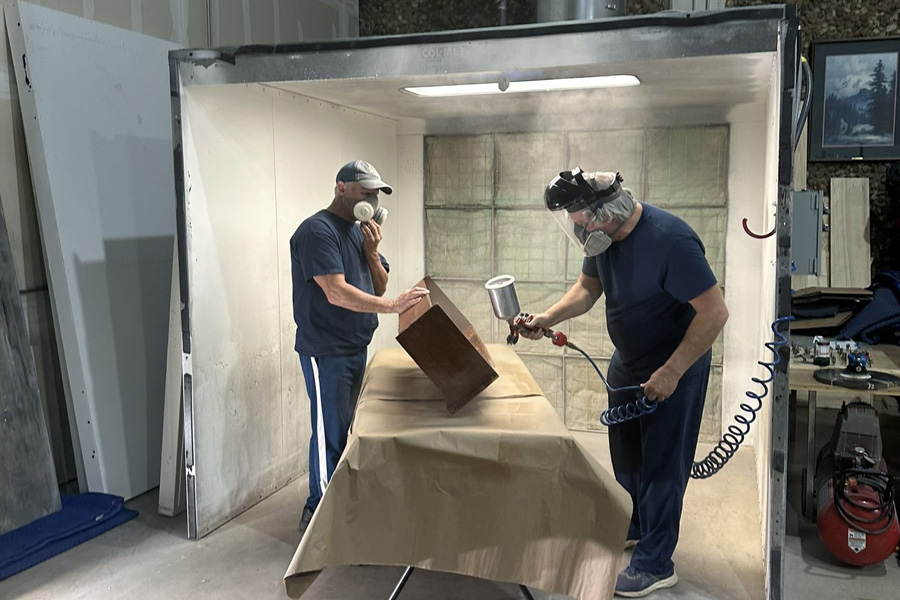
- Shop dust control and fume extraction to protect finishes and keep contaminants off your upholstery
- Product safety data for adhesives and finishes used indoors
- Clean benches and tool storage that prevent grease or dye transfer
- Packaging and protective wraps for transport through narrow halls and elevators
Professional habits protect your furniture as much as any skill.
When Repair Beats Replacement and When It Does Not
Not every piece deserves a revival. Use a simple framework:
- Quality: Solid wood frames, hand-tied springs, and custom or heirloom pieces are prime candidates for repair. Flat-pack furniture with particleboard frames rarely rewards the investment.
- Sentiment: Family heirlooms and designer pieces often justify deeper restorations. Their stories are part of the value.
- Budget: If the repair cost approaches or exceeds the price of a new item of equal or better quality, weigh your options. Often, mid-tier new sofas use cheaper frames and foams than older pieces, so repair can still win on durability.
- Fit: Perfect dimensions, seat height, and ergonomics are hard to replace. If the piece fits your body and space, that is value you feel every day.
A trustworthy shop will tell you when not to spend your money.
Red Flags Specific to Repair Shops
Steer clear if you encounter any combination of these:
- No physical address or an address that doubles as a virtual mailbox
- Cash-only payment or refusal to provide a written estimate
- Reluctance to show material samples or discuss grades and specs
- Wildly low quotes that undercut market labor rates by half
- Vague timelines with frequent slips and no updates
- No warranty or a warranty that excludes the very work performed
Good work is not the cheapest line on a spreadsheet. It is the invoice you only pay once.
Aftercare and Maintenance for Dallas Living
Repairs last longer with a bit of care tailored to the local climate.
- Sunlight: Use sheers or UV-filtering films in bright rooms. Rotate cushions and orientation to even out exposure.
- Humidity: Keep indoor relative humidity in a stable range. Extreme dryness accelerates cracking in wood and leather.
- Use habits: Vacuum fabric with an upholstery brush weekly. For leather, dust first, then condition on a schedule suited to your finish. Test any product on a hidden area.
- Floors and feet: Fit felt pads to chair and sofa legs. North Texas hardwoods and tile can transfer grit that abrades finish over time.
- Pets: Keep nails trimmed and provide throw blankets on favorite perches. Choose slipcovers or arm caps for high-wear zones.
Minor care beats major repairs, every season.
FAQ
How long should a quality upholstery repair last in Dallas conditions?
With proper care and modest sun exposure, a well-built frame with excellent textiles and foams should last 7–12 years before showing signs of wear. That window can be shortened by pets, sunshine, or heavy use. UV-resistant fabrics and cushion density extend it.
What is a fair warranty for furniture repair work?
Look for 1 year or more on labor, with separate coverage on materials based on manufacturer terms. Structural repairs may carry longer protection if new joinery or supports were installed. Warranties should be in writing and specify remedies, not just disclaim responsibility.
Can all leather scratches be repaired without replacing panels?
Shallow surface scratches on pigmented leather often blend with touch-up pigments and finish coats. Deep gouges or tears that reach the hide’s structure usually need panel replacement for a seamless look. An experienced technician can tell which route will produce a satisfying result.
Is in-home repair as good as shop repair?
It depends on the scope. Seam re-stitching, cushion swaps, and minor color touch-ups are great candidates for in-home service. Frame rebuilds, spring reties, extensive refinishing, and large dye work belong in a shop where tools, ventilation, and curing conditions are controlled.
How do I compare two bids that look very different in price?
Ask each provider to clarify labor hours, materials by grade, and steps included. One bid may include spring work, new decking, or premium foam while the other does not. Line-item comparisons reveal where the value sits and whether one estimate omits essential steps.
What should I do before pickup day?
Remove breakables and clear the way to the piece. Photograph the item from all angles in good light. Send your provider photographs of damage to add to the intake record. If you live in a building, get elevator access and insurance certificates ahead of time.
How do I know if my frame is worth rebuilding?
Look for solid hardwood rails, corner blocks, and tight joinery. If the frame is plywood or particleboard with stapled-only joints, major work rarely pays off. A technician can test for racking and flex to decide whether reinforcing or partial rebuild is sensible.
Will fabric protection help in a sunny Dallas room?
A quality protector helps repel spills and oils, which is valuable for daily life. It does not block UV. For sun management, pair protection with window treatments or films, rotate cushions, and choose textiles with higher lightfastness ratings.