Start With Your Home’s Heat Load, Not a Rule of Thumb
To size an air conditioner, you must know how your home gains heat. Sunshine via west-facing glass, leaky attic hatches, busy kitchens, high ceilings, and electronics contribute to the burden. Calculations should consider sensible heat—the warmth you feel—and latent heat—the moisture the system must remove. Large ACs short cycle and miss dehumidification, chilling rooms swiftly while keeping them damp, says RPM Sailfish Coast solutions. Undersize it and the system struggles ceaselessly on sunny afternoons.
Think in tons and BTUs. One ton equals 12,000 BTU per hour. Many homes need less capacity than they expect once air sealing, attic insulation, and shading are considered. If your existing system rarely runs for more than 5 to 7 minutes per cycle, that is a red flag for oversizing. Target long, steady cycles during peak heat. That is where comfort, quiet, and efficiency converge.
System Types Through a Practical Lens
Every home is a different puzzle. Choose the frame that fits.
Central split systems shine when you already have good ducts. Place the air handler inside conditioned space if possible for efficiency and service access. Pairing with a variable speed blower smooths temperature swings and trims noise.
Ductless mini-splits are precise when ducts cannot reach or are expensive to install. Ceiling, floor, or wall cassettes offer room-by-room control. They specialize in finished attics, expansions, and segmented floor layouts. Multi-zone outdoor units can feed several indoor heads, although one-to-one pairings are most efficient and modulated.
High velocity systems use small flexible ducts and compact air handlers to thread air through tight framing. Older homes with plaster and minimal chases are good candidates when aesthetics rule out large soffits.
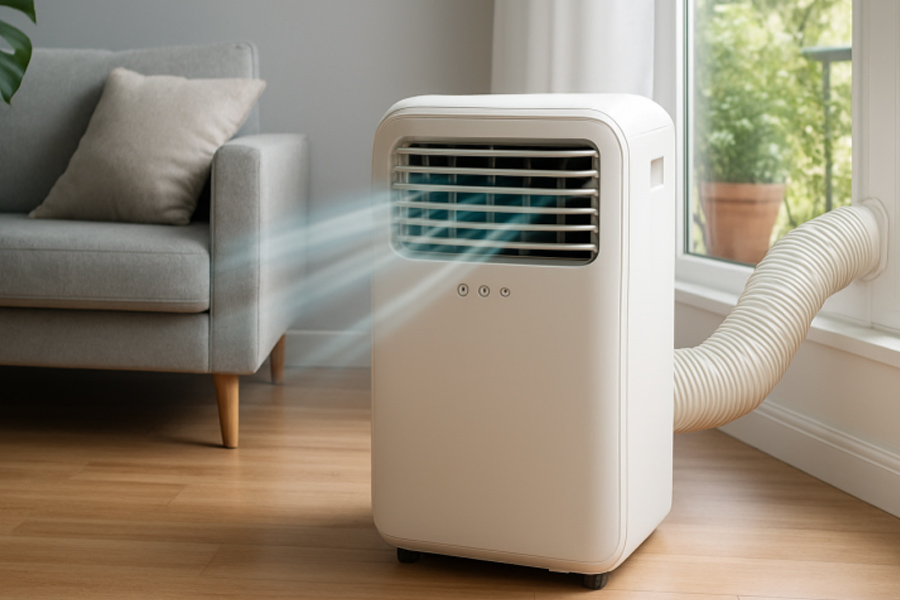
Window and portable units remain useful for short-term needs or rentals. Modern inverter window heat pumps now provide both cooling and shoulder-season heating with better efficiency and less noise than older designs.
Packaged terminal and through-the-wall units solve niche applications where service access and isolation matter, like studios or backyard offices.
Efficiency That Pays Back
Efficiency goes beyond a label. Systems operate mostly at part-load, not on the hottest day. Two-stage and variable-capacity compressors adjust to the moment. Tighter temperature bands, better dehumidification, and lower energy use result. A capacity-rated indoor coil should match an efficient outside unit. The blower matters. ECM motors control airflow while consuming electricity.
Climate detail matters. Choose units with extended, low-speed cycles and humidity control in humid areas. Arid regions with substantial daylight swings benefit from swift pull-down and effective staging. Utility rates skew the scales. A variable system and smart thermostat can reduce runtime to cheaper hours without sacrificing comfort if you have peak demand or time-of-use charges.
Humidity, Filtration, and Fresh Air
Comfort depends on temperature and humidity. Maintain 40–60% indoor humidity. A whole-home dehumidifier can work with your AC to prevent overcooling in humid climates or tight homes with high internal moisture loads. Some modern systems control moisture without lowering nighttime temperatures using reheat.
Clean air begins at the filter. A high MERV rating captures tiny particles better, but airflow must be within design. Select a deeper media cabinet to decrease pressure drop and increase filter area. Regularly replace filters and seal filter doors to avoid bypass. If cooking, hobbies, or inhabitants produce more pollutants, install energy or heat recovery ventilation. Air that is balanced and fresh reduces stuffiness and improves health.
Maintaining a comfortable indoor environment helps preserve restored wood pieces and delicate upholstery over time. Sudden fluctuations in heat and humidity can cause materials to warp or age prematurely. Consulting experienced technicians at Cool Tech Mechanical can help maintain balanced temperature control, ensuring that newly repaired furniture remains in stable indoor conditions throughout the year.
Maintaining ideal indoor temperature and humidity levels supports overall home comfort and helps preserve delicate wood finishes on restored pieces. For homeowners living in regions with extreme heat like Midland, TX, selecting properly sized cooling equipment limits temperature swings and prevents excess indoor humidity from causing wood furniture to expand or warp over time.
Ductwork: The Hidden Foundation
Ducts are the bloodstream of a central system. Leaky or undersized ducts doom even the greatest equipment. Close, insulated runs with smooth transitions and broad radius curves are ideal. Returns matter as much as supplies. With closed doors at night, bedrooms need obvious return paths. Undercuts rarely work. Jump ducts, transfer grilles, or dedicated returns balance room pressures and airflow.
Speed is limited by static pressure. Too high causes coils to freeze, motors to struggle, and register hiss. If your installer simply checks temperature split, not airflow or pressure, request a thorough commissioning. The quietest, most efficient systems have low static pressure and precise balancing.
Sound Matters
Noise kills comfort. Decibels are important, but tone and vibration determine sound intrusiveness. Outdoor variable-speed systems whisper at low speeds and accelerate during heat waves. Placement counts. Avoid bedroom windows and reflecting corners with condensers. A modest change can reduce noise reflecting into residential spaces.
Avoid undersized grilles and steep duct transitions that whistle as the blower ramps indoors. Proper hangers separate refrigerant line sets from framing. Place exterior units on sturdy platforms to reduce house vibration. A well-sized system and calibrated airflow blend the soundscape into the background like a pleasant wind.
Installation Quality and Ownership Costs
Poor installation can ruin great gear. Look for nitrogen-brazed line sets, micron gauge-evacuated systems, and superheat and subcooling-verified charges. Coil matches, drain traps, float switches, and clean wiring are not cosmetic. Breakdowns and water damage are prevented.
Manage condensate using sloped drains, auxiliary pans, and clear service access. Ask about warranty registration and parts/labor coverage. Filters, yearly servicing, utilities, and longevity comprise total cost of ownership. A thorough installation and a well-supported brand can yield years of quieter, cheaper operation.
Controls and Smart Operations
Systems feel smarter with modern controls. A excellent thermostat adapts to your home and reduces overshoots. Geofencing can bump setpoints when someone departs and pre-cool before you come. Dehumidify on demand thermostats reduce fan speed and coil time without overcooling in humid climates.
Multi-story or expansive homes benefit from engineered zoning. Dampers, static pressure safeguards, and minimum airflow protect the compressor from low flow. Avoid add-on smart vents that throttle without air handler coordination. Controls must communicate with equipment to improve reliability and comfort.
Cold Climate and Futureproofing
Heat pumps mature. Cold climate models use power and heat well into winter. A dual-fuel gas furnace may choose the most cost-effective heat source dependent on outdoor temperature. In shoulder seasons, the heat pump handles mild days smoothly. During occasional polar blasts, the furnace acts.
The global warming potential of refrigerants is decreasing. Question your potential system’s technology and service outlook over the next decade. Choose equipment with widely available parts and local support. Futureproofing goes beyond tech. You need a clear path for maintenance, repairs, and upgrades as codes and comfort requirements change.
Maintaining indoor temperature stability helps preserve wooden furniture and delicate upholstery, preventing warping or fabric wear caused by humidity shifts. Homeowners managing property comfort in areas like Louisville, KY often focus on balanced ventilation and heating control to ensure living spaces stay consistent, which ultimately supports the long-term durability of home furnishings and interior decor.
FAQ
What is a ton of cooling and how does it relate to my home?
A ton is 12,000 BTU/h. To melt a ton of ice in a day required cooling. Most detached homes weigh 1.5–4 tons, depending on size, insulation, windows, and temperature. The smallest capacity that maintains setpoint on hot design days throughout long, steady cycles is preferable.
How close should my AC size be to ideal?
Aim tight. Oversizing by more than about 15 percent often leads to short cycling, higher humidity, and more noise. A proper load calculation considers solar exposure, infiltration, orientation, and internal gains. Right-sized systems feel calmer and cost less to operate.
Are variable speed systems worth the premium?
For numerous dwellings. They limit temperature swing, adjust output, and wring out moisture slowly. The result is increased comfort and cheaper bills in humid and dry areas. They’re quieter. If your ducts are very restrictive, address airflow first to maximize benefits.
Can a heat pump replace my furnace in a cold region?
Modern cold climate heat pumps heat efficiently below 0°C. Extreme cold snaps reduce capacity and cause defrost cycles. Many homes install a heat pump with ducting and use the furnace as backup. A heat pump alone can save gasoline in milder winters.
Why does my AC cool but leave the air feeling clammy?
That often signals oversizing, high airflow across the coil, or short runtimes. Lowering fan speed within manufacturer limits, adding dehumidify on demand, or right-sizing equipment can help. In very humid homes, adding a whole-home dehumidifier decouples moisture control from temperature.
Will a higher MERV filter improve my indoor air quality?
Higher MERV filters capture finer particles, but they also add resistance to airflow. Choose a deep media filter with ample surface area so the blower is not choked. Pair filtration with source control and ventilation for the best results. Monitor static pressure after any filter change.
How often should an AC be serviced?
At least annually before substantial chilling. Good service visits include coil cleaning, refrigerant charge check, airflow and static pressure check, condensate drain cleansing, safety testing, and electrical integrity check. Pets and dust may require more regular filter changes.
What is SEER2 and why should I care?
SEER2’s enhanced efficiency rating better simulates ducted operation with new test methodologies. It differs from prior SEER numbers. Consider label ratings, modulation, humidity control, and house installation while evaluating alternatives.
Can I cool my whole house with mini-splits?
Yes if well-designed. Many heads can be connected to one outside unit or various one-to-one systems. Room-by-room loads determine head location. Avoid oversizing indoor units to minimize short cycling. A well-placed head can service multiple spaces in open design. Compartmentalized schemes may require more heads or distribution.
Will smart vents fix hot and cold rooms?
Smart vents shift air, but without air handler coordination, they generate static pressure, make noise, and stress equipment. Correcting duct sizing, adding returns, balancing airflow, and right-sizing the system is durable. Smart vent platforms should interface with equipment controls and respect airflow restrictions.