What Really Happens to Your Interior in Extreme Heat
Under a clear Australian sky, a parked automobile can gradually roast. Through glass, sunlight heats surfaces. Vinyl and plastic expand, contract, and wear. UV radiation breaks polymer links, making a smooth sprint chalky and brittle. Lacking oils, leather tightens and splits. Fabric dyes fade unevenly, revealing every hue missed. Electronic modules degrade due to heat soak, foam cushioning hardens, and adhesives soften.
It’s not simply massive chunks. Rubber seals dry, stitching weakens, and clear instrument lenses fog. Because heat causes offgassing, interior glass can develop a hazy layer. That film goes beyond appearance. Plasticisers leaving interior materials makes parts more brittle. A system of habits and hardware that controls light and heat is the solution.
Window Technologies That Actually Cut Heat
Glass is the gatekeeper. Control the light at the glass and you control the temperature inside.
- Ceramic window film: High-quality ceramic or nano-ceramic tint blocks infrared heat while maintaining visibility. Ceramic films reject radiant heat that sears seats and steering wheels, unlike dyed films that darken. Choose a state-legal visible light transmission and have it properly fitted to minimize edge lift and contamination bubbles.
- Custom-fit shades: Magnetic or frame-insert shades for side and rear windows create a uniform barrier without sagging. They block glare, protect door cards, and can be left in place when parked. For long drives, they reduce the sun’s laser-like focus on one side of the cabin.
- Windscreen reflectors: A reflective, rigid or double-layer accordion shade bounces light back before it strikes the dash. Fit matters. A gappy universal shade leaks heat. A tight, vehicle-specific reflector shields instruments, dashboards, and steering wheels more effectively.
- Sunroof solutions: Glass roofs are heat sponges. If your car has a panoramic panel, use an insulated internal shade insert. For mesh factory covers that let light bleed through, add a second opaque layer when parked.
- Dash mats: A dense, UV-stable dash mat acts like a thermal blanket. It prevents glare, slows heat absorption into the dash substrate, and protects high-stress areas above air vents.
Smarter Parking and Ventilation Tactics
Shade is free climate control. When you park, study the sun’s path. Morning shade may vanish by noon. Choose positions where buildings or trees cast afternoon cover across the bonnet and roof. If you work all day, a slightly longer walk can save your interior years of wear.
Create convection by slightly cracking windows securely. Leave a limited opening without rain with slimline window visors. Even a pencil-width opening lets heat escape. Solar-powered extractor fans can help if your window geometry provides a tight fit without weather sealing problem.
First expel heat before blasting AC on startup. If safe, open all doors for 20 seconds and run the fresh air fan with windows down for a minute. Switch to recirculation and drop the windows entirely for a few seconds to pull cool air through the cabin after superheated air is gone. This cycle lowers plastic trim heat stress and speeds comfort.
Material Specific Care That Pays Back
Different materials need different routines. Treat each surface according to its chemistry.
- Leather: Remove sandpaper-like filth using a pH-balanced cleanser. Use a mild, non-greasy UV-inhibiting conditioner. Place it in stitching and bolsters where heat and friction combine. Avoid petroleum-based chemicals that blacken light hides and swell seams. Apply gently to perforated seats to avoid foam saturation.
- Vinyl and soft-touch plastics: Choose water-based protectants with a natural, satin finish. Shiny coatings are tempting but can amplify glare and attract dust. Reapply lightly every few weeks in summer. Wipe first with a damp microfiber to remove abrasive grit that would otherwise get locked under the protectant.
- Fabric: Vacuum regularly with a soft brush head. Dust holds heat and abrades fibers. A fabric UV guard spray can slow fading on door inserts and seat shoulders. Test in a hidden spot first to avoid altering texture. If you drive with the windows open, brush off coastal salt haze that can stiffen fibers.
- Alcantara and microsuede: Use a dedicated cleaner and a soft brush to lift the nap. Heat flattens these materials. Keep direct sunlight off them with side shades and lower the cabin temperature before sitting.
- Rubber seals: Clean with mild soap and water, then treat with a rubber-safe conditioner to keep them supple. That helps doors close quietly and preserves the barrier that keeps hot, dusty air out.
- Headliners: Avoid spraying anything directly overhead. Adhesives behind the fabric are heat sensitive. Heavy wetting can cause sagging. If you must clean, mist the cloth and dab gently.
Accessories That Shield More Than You Expect
A few well-chosen pieces turn down the temperature and extend life.
- UV resistant seat covers: Modern covers fit tightly and breathe well. Choose woven fabrics that do not trap sweat and that have UV-stable dyes. They take the beating so your original upholstery does not have to.
- Steering wheel cover: A removable, light-colored cover prevents scorching and stops sun cracks on leather rims. Take it off for spirited drives, put it back on when parked.
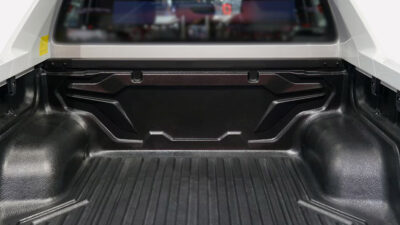
- Cargo area liners: Rear plastics and carpets fade fast through tailgates. A liner with a vertical lip shields trims and prevents spill penetration that can accelerate fabric degradation under heat.
- Exterior car cover: If you park outside for days at a time, a breathable, light-colored cover blocks radiant heat and UV. Make sure the fabric is soft-lined to avoid scuffing, and secure it so wind does not turn it into sandpaper.
On the Road Habits for Long Hauls
Highway sun can bake one cabin side for hours. Use legal, well-fitted rear side shades and a temporary driver’s side window glare cover that doesn’t block mirrors or break restrictions. Remove little things from sunlight seats to avoid hot spots. Rotate drink bottles away from plastics to prevent condensation rings.
Adjust climate control for uniform heat. Recirculate after fresh air mode when the cabin cools below outside temperature. Vents in the footwells can cool bulk areas besides your face. Avoid overdrying leather by keeping the blower moderate. Crack all doors to release heat when fueling.
Cleaning Habits That Reduce Heat Damage
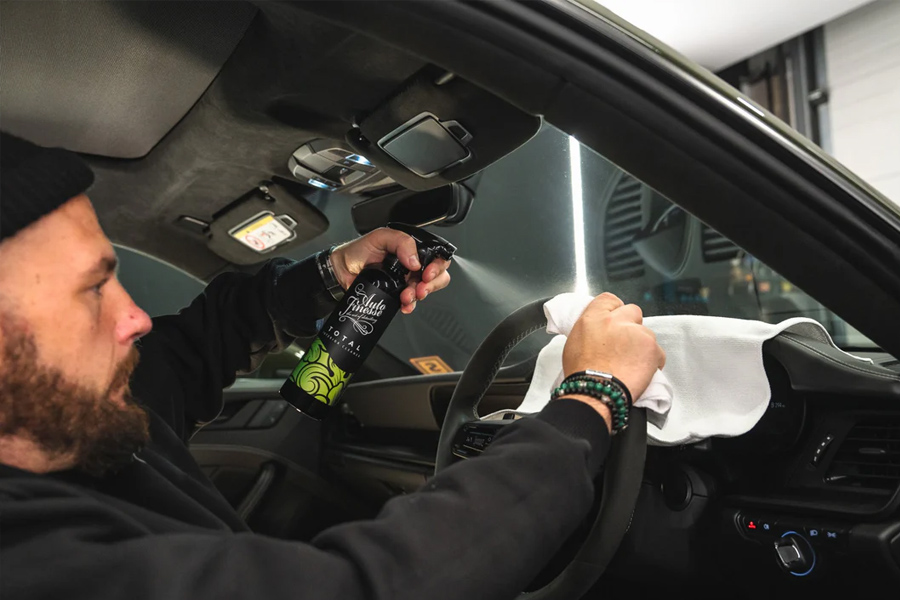
Clean surfaces last longer and are cooler. Sunlight is absorbed by dust. Weekly, use a damp microfiber to wipe the dash and upper door cards and dry with another. Ammonia glass cleaners are not recommended for tinted interior windows. Polish using a tint-safe solution until squeak-clean to prevent film buildup.
Do not mix household chemicals. Bleach, vinegar blends, and harsh solvents can strip dyes and cloud plastics. Stick to automotive-safe products and light applications. After beach trips, vacuum sand from seams. Grains act like tiny wedges that open stitches when combined with heat and body weight.
Small Daily Rituals That Keep the Cabin Calm
- Turn the steering wheel 180 degrees when you park so the top of the rim gets equal sun exposure over time.
- Throw a light towel over child seats when parked. Their fabrics and buckles fade and heat quickly.
- Keep a compact sun umbrella in the boot. If shade lines are thin, you can add instant protection for the side of the car during short stops.
- Do not hang heavy charms or gadgets from the rear-view mirror. Heat softens mirror mounts and headliner adhesives, and the extra weight accelerates sag.
FAQ
How often should I apply protectants to interior surfaces?
Light applications every four to six weeks in summer work well for most cars, with a quick wipe-down in between if dust accumulates. In cooler months, extend intervals to two or three months. Always start with a clean surface so the protectant bonds evenly.
Is ceramic window film worth it if I already use a windscreen reflector?
Yes. A reflector protects when you are parked, but ceramic film reduces heat every minute you drive and when the car is sitting. The cabin cools faster, plastics see less thermal swing, and seats stay closer to ambient. Use a legal shade level and choose a reputable installer.
Will cracking the windows make my car easier to break into?
A small, visor-covered opening lowers risk and still allows meaningful ventilation. If security is a concern, limit the gap to a few millimeters and choose well-lit parking. Pair this with a quality sunshade and heat rejecting film to rely less on open windows.
Do sunshades trap heat against the dash and make things worse?
Good reflectors push light back through the glass rather than absorbing it. They lower surface temperatures on the dash compared to leaving the windscreen bare. Ensure there is no dark towel or mat pinned under the reflector that could soak up heat. A snug fit is key.
Can I use household cleaners on leather or tinted windows?
Avoid them. Ammonia can damage tint layers and dry plastics. Bleach and strong solvents strip finishes and dyes. Use automotive leather cleaners and tint-safe glass sprays. When in doubt, test a tiny hidden area and check for color transfer on a white cloth.
What is the fastest way to cool a hot cabin without stressing materials?
Purge first. Open doors briefly if safe, then drive with windows down and fresh air fan on for 30–60 seconds. Recirculate when blast-furnace air is gone. Set a reasonable temperature and blower speed, then close windows. This method cools bulk surfaces quickly and prevents plastic fatigue.