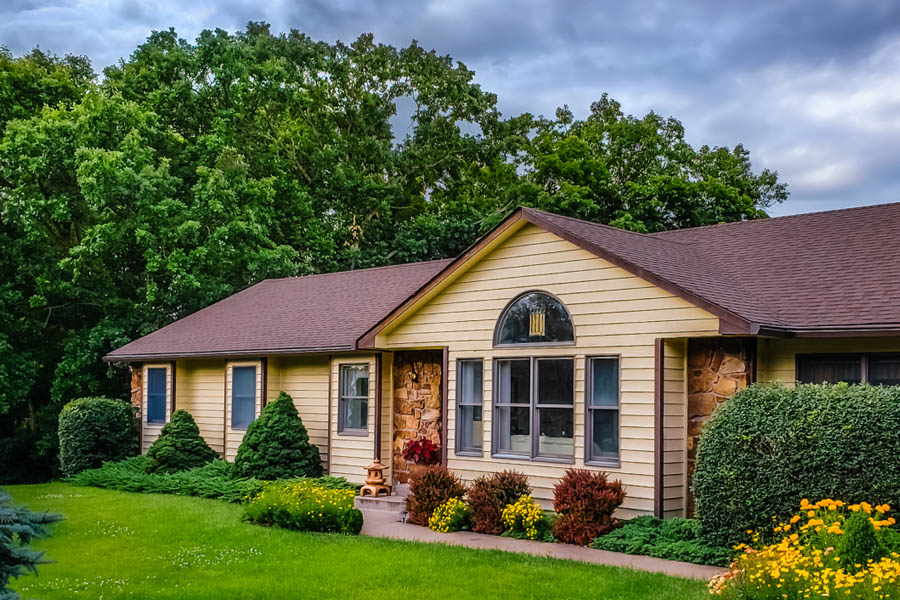
Our homes are our sanctuaries, built to shield us from the elements and provide a safe space to relax. We tend to view them as permanent, unchanging structures. However, a house is actually a dynamic environment that constantly interacts with the world outside.
Every time the calendar flips and a new season arrives, your property undergoes a subtle but significant amount of physical stress. From freezing winter nights to humid summer afternoons, seasonal weather shifts put your home’s infrastructure to the test.
Understanding how these cycles impact your property is the secret to avoiding unexpected, expensive repairs. Here is a breakdown of how the changing seasons affect your home throughout the year.
1. Spring Thaws and Hidden Water Hazards
Spring brings warmer weather and blooming flowers, but it also introduces a massive influx of water. The combination of melting winter snow and heavy spring showers can quickly overwhelm a property’s drainage infrastructure.
When gutters are clogged with leftover autumn debris, water overflows and pools directly around the foundation. This creates hydrostatic pressure, forcing moisture through microscopic cracks in concrete basement walls. Checking your gutters and ensuring your yard slopes away from your foundation are critical steps to prevent costly spring flooding.
2. Summer Heat and Structural Expansion
When summer arrives, intense sunlight and high temperatures cause building materials to expand. Wood, vinyl, and metal all expand when heated, then contract when temperatures drop at night.
This continuous movement places incredible stress on exterior paint, caulking, and joint seals. Over time, seals dry out, crack, and peel away. Furthermore, high summer humidity can trap moisture behind siding, creating an ideal breeding ground for hidden mold and wood rot if the home’s ventilation is poor.
3. Autumn Transitions and Pest Migration
As the air turns crisp and leaves begin to fall, nature prepares for hibernation. Unfortunately, local wildlife and insects are also looking for a warm place to spend the upcoming winter, and your home looks incredibly inviting.
Dropping temperatures prompt rodents, spiders, and stinging insects to seek out tiny vulnerabilities along your roofline, foundation, and crawl spaces. Taking time in the fall to seal exterior gaps is essential. If you notice signs of unwanted visitors attempting to move indoors as the weather cools, contacting professional pest control services in Kent can stop an infestation before it takes hold in your walls.
4. Winter Freezes and the Threat of Ice Dams
Winter is arguably the harshest season for a house. When temperatures drop below freezing, water trapped in small exterior crevices expands as it turns to ice, widening cracks in brick, concrete, and pathways.
The roof faces a unique threat known as ice dams. This occurs when heat escaping from a poorly insulated attic melts snow on the upper roof. The melted water runs down to the colder roof edge and refreezes, creating a block of ice that traps subsequent runoff. This pooled water can back up under shingles, causing severe ceiling leaks.
5. Soil Fluctuations and Foundation Settling
The soil beneath your home behaves like a giant sponge, reacting constantly to seasonal moisture levels. During wet spring and winter months, the soil swells with water. During hot, dry summers, the soil loses moisture and shrinks.
This cyclical swelling and shrinking causes the ground to shift beneath your home. Over several seasons, this uneven movement can lead to minor foundation settling, resulting in sticking doors, windows that are difficult to open, or small cracks in your drywall.
6. Thermal Shock and Window Deterioration
Windows bear the brunt of extreme temperature differentials. On a freezing winter day, the inside glass is exposed to cozy indoor heating while the outside glass faces sub-zero temperatures.
This drastic temperature difference causes a phenomenon known as thermal shock, which can stress the glass and window frames. Over time, this stress degrades the rubber seals on double-pane windows, causing the insulating gas to leak out, leading to foggy glass and lowered energy efficiency.
Conclusion
Your home is in a constant dialogue with nature, adapting to the unique pressures of every season. Rather than waiting for a major leak or structural failure to grab your attention, treating home maintenance as an ongoing, seasonal routine saves time, money, and stress. By anticipating how weather patterns alter your property, you can protect your investment and ensure your sanctuary remains secure all year long.