Storm season brings unique challenges for homeowners, especially those with mature trees on their property. While trees add beauty and shade, their limbs can become dangerous during high winds and heavy rain. Proactive care and hurricane tree prep are key to protecting both your landscape and home. Taking the right steps before, during, and after storm season can make a significant difference in your property’s safety and resilience.
Regular tree maintenance minimizes risks and promotes long-term health by identifying early indicators, pruning appropriately, and providing proper care. When paired with Allegiant Property Management solutions, this enables trees to better withstand storms, reduces cleanup costs, and lowers the risk of property damage. Professional attention increases home value and safety. Simple methods help prevent errors that could lead to broken branches or fallen trees in bad weather. Combining regular maintenance with expert guidance offers reassurance during storms. Being aware of tree health also helps prevent community hazards such as power line interference or blocked roads. Routine inspections and strategic planting support a safer neighborhood.
Importance of Regular Tree Inspections
Frequent tree inspections should be part of every homeowner’s routine before storm season begins. These checks can help pinpoint issues like dead or hanging limbs, structural cracks, signs of decay, and other red flags that pose a danger during severe weather. Early intervention means you have more options to address problems before they escalate into emergencies.
Pruning Techniques for Storm Resilience
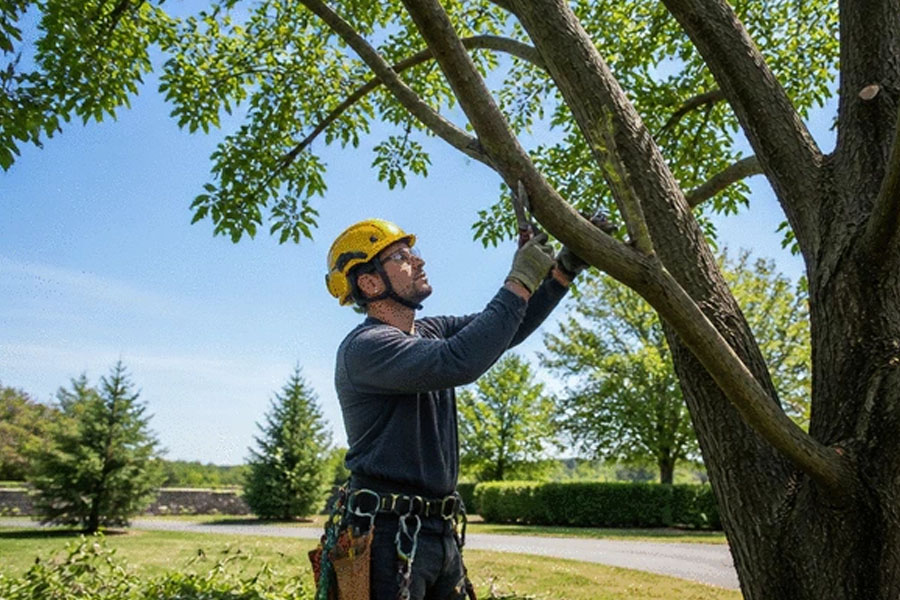
Proper pruning enhances storm resistance by strengthening the tree’s structure and allowing wind to move more freely through the canopy. Focus on:
- Removing dead, dying, or broken branches to avoid potential projectiles.
- Thinning out dense areas of foliage for better airflow and reduced wind resistance.
- Avoiding excessive pruning, which can leave trees more vulnerable to wind or disease.
Strategic Tree Planting
The right planting strategy goes a long way in fostering a resilient landscape. Grouping trees together can shield each other from strong winds, while choosing wind-tolerant species gives your property an advantage. Spacing trees correctly ensures they reach maturity without overcrowding, which weakens root systems. Consider native trees, as they are more likely to thrive in your climate and resist local weather patterns.
Soil Management and Root Health
Healthy roots provide trees with the sturdy foundation they need to withstand powerful winds and saturated soil. Avoid compacting the soil around trees, as this limits root access to oxygen and water. Use mulch to retain moisture and add nutrients, but keep it away from the trunk. Good drainage is crucial for preventing root rot and maintaining strong, healthy anchor systems.
Recognizing and Addressing Tree Diseases
Tree diseases can compromise the health and structural integrity of your trees, making them more likely to succumb to storm damage. Watch for symptoms such as wilting, unexplained leaf drop, obvious fungus, or dead patches on bark. If you notice these or other unusual signs, contact an arborist for diagnosis and treatment. Early action can often save a diseased tree and help shield your home from potential threats.
Post-Storm Tree Care
After the storm passes, inspect your trees carefully for any new damage. Remove any fallen or broken branches, and watch for signs of stress, such as leaning, cracking, or root upheaval. If a significant portion of a tree’s canopy is lost or the trunk has major wounds, the tree may need to be removed for safety. Regularly monitor storm-damaged trees for delayed symptoms or instability in the weeks following a storm.
When to Consult a Professional Arborist
There are situations where only a certified arborist can determine the best course of action. If you are unsure about a tree’s stability, health, or whether it should be removed, calling an expert is always the safest choice. Arborists provide detailed risk assessments, advanced treatment options, and professional pruning that can promote both safety and longevity for your trees.
Conclusion
By adopting proven tree care practices, you are taking vital steps to protect your home, family, and community from severe weather risks. Preparing in advance, acting swiftly after storms, and seeking professional help when needed will keep your landscape beautiful and safe for years to come.