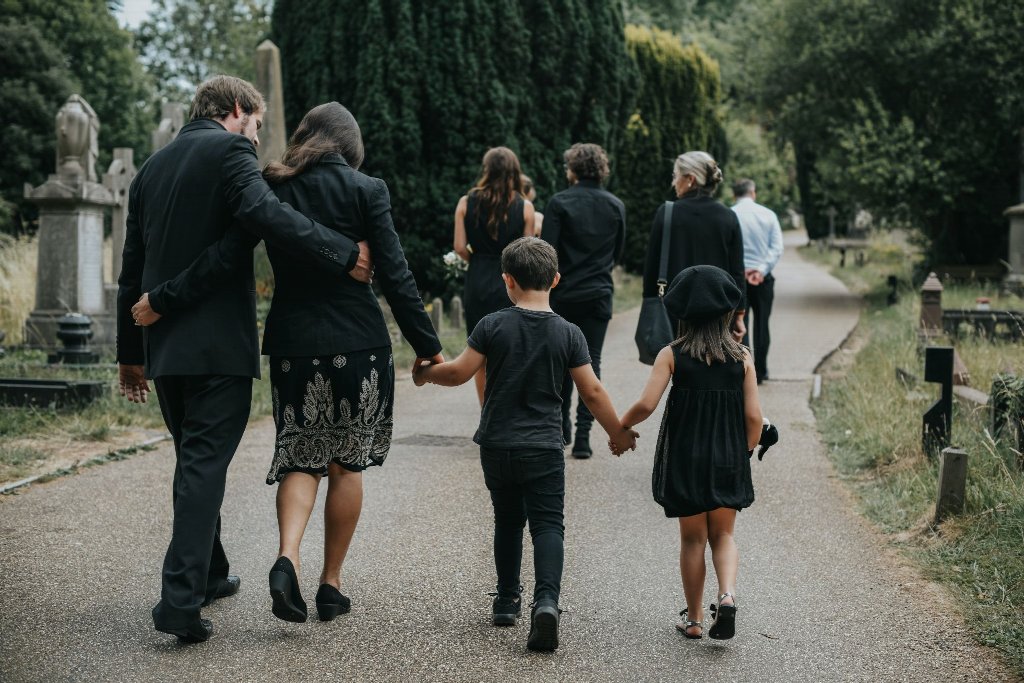
For a long time, there was essentially one way to say goodbye. The form was set, the order of things was understood, and families largely followed a template that had changed little over generations. It brought comfort to many, and for plenty of people it still does. But something has been shifting quietly in how we approach farewells, and more and more families are discovering that the traditional path is no longer the only one available to them. There is, it turns out, far more freedom in how we honour a life than most of us ever realised.
This shift isn’t about abandoning tradition or treating goodbyes with any less reverence. It’s about recognising that a farewell can and perhaps should reflect the particular person it’s for, and the particular values they held. As people come to understand the choices open to them, they’re creating goodbyes that feel more authentic, more personal, and often gentler in ways that matter to them. If you’re thinking about a farewell, whether for someone you’ve lost or in considering your own wishes, it’s worth understanding how much this landscape has opened up, because you have more freedom than you might imagine to make it meaningful.
Why the Old Template Is Changing
The heart of this change is a simple desire: for a goodbye that feels true. Increasingly, people find that a formulaic, one-size-fits-all service doesn’t quite capture the person they’re honouring, and they long for something that reflects who that person actually was. A life is singular, shaped by particular passions, beliefs, humour, and values, and a standardised farewell can feel at odds with that individuality, however well-intentioned.
So families are asking different questions than they once did. Rather than simply following the expected form, they’re considering what would genuinely honour this specific person, and whether the conventions serve them or not. This isn’t a rejection of meaning but a deepening of it, a wish for the farewell to say something true about the life it marks. As society has grown more comfortable with individuality and personal expression in so many areas of life, it makes sense that this would extend to how we say goodbye. The result is a growing openness to farewells that step outside the old template, not for the sake of being different, but in pursuit of something that feels authentic and right. That desire for authenticity is what’s quietly reshaping how we approach these moments.
Celebrating a Life Rather Than Only Mourning a Loss
One of the most noticeable shifts is in tone, as more farewells lean toward celebrating a life rather than solely mourning its end. This doesn’t mean pushing grief aside, since sorrow is natural and important, but it does mean making room for joy, gratitude, and remembrance alongside the tears. Many families are choosing gatherings filled with stories, laughter, favourite music, and colour, honouring the way a person lived rather than only marking that they’ve gone.
There’s real comfort in this approach, because it lets people hold their grief and their love in the same space. Sharing funny memories, playing songs the person adored, and reflecting on all they brought to the world can be profoundly healing, turning a farewell into a genuine tribute to a life well lived. It acknowledges that while loss is painful, there’s also so much to be grateful for in having known the person at all. A celebration of life reframes the goodbye, so that people leave carrying not just sorrow but a renewed sense of what the person meant and the joy they brought. For many families, this balance feels far truer to the person they’re honouring than solemnity alone, and it offers a warmth that stays with everyone long afterward.
The Rise of Greener, Nature-Based Farewells
Another significant part of this movement is a growing wish for farewells that are gentler on the earth. For people who cared about the environment in life, or whose families do, it feels only fitting that their goodbye should reflect those values, treading lightly and staying in harmony with the natural world they loved. This has led many to look beyond conventional options toward greener, more natural approaches to honouring a life.
Exploring alternative funeral ideas, including natural and eco-conscious memorials, has become a meaningful path for families who want a farewell that aligns with a life lived thoughtfully and with care for the planet. These nature-based options allow a goodbye to feel connected to the earth, offering a sense of return and continuity that many find deeply comforting. There’s something quietly beautiful in a farewell that honours both the person and the world they cherished, and for those to whom these values matter, it can make the goodbye feel all the more authentic and right. As awareness of these choices grows, more families are finding comfort in options that let them say goodbye in a way that reflects a genuine care for nature, weaving the person’s values into the very form of their farewell.
Making It Truly Yours
Underlying all of these trends is a single, freeing realisation: a farewell can be shaped to fit the person and the family, rather than the other way around. You have real freedom to personalise nearly every aspect, from the setting and the atmosphere to the elements you include and the traditions you choose to keep or gently set aside. The goal is a goodbye that feels like it truly belongs to the person being honoured.
That might mean holding the gathering somewhere that held meaning for them, incorporating their passions and personality throughout, or choosing a tone that matches how they lived, whether that was quietly reflective or full of warmth and laughter. You can keep the traditions that bring you comfort and let go of those that don’t resonate, building something that feels authentic rather than obligatory. This freedom can feel unfamiliar at first, especially if you assumed there was only one acceptable way, but it’s a gift. It means the farewell can genuinely reflect a life, becoming a fitting and personal tribute rather than a generic ceremony. When a goodbye is shaped around the real person, everyone who gathers feels it, and that authenticity is a comfort in itself.
Finding What Feels Right for You
With so many possibilities now open, the most important thing to remember is that there’s no single right way to say goodbye. What matters is finding what feels right for you, your family, and the person you’re honouring, and giving yourself permission to choose accordingly. Whether that’s a traditional service that brings you comfort, a joyful celebration of life, a nature-based farewell, or some thoughtful blend of these, the rightness lies in what resonates with your heart and reflects the life you’re marking.
If you’re drawn to a less conventional farewell, know that there are compassionate providers open to these choices who can help you create something meaningful and true, guiding you gently through the options with care. Take whatever time you need, trust your sense of what would honour the person best, and lean on those around you as you decide. A farewell that genuinely reflects a life, in whatever form that takes, is among the most loving tributes you can offer, and there’s real comfort in knowing you honoured someone in a way that felt authentically theirs. If you’re navigating grief as you consider these things, please be gentle with yourself, and don’t hesitate to reach out to people you trust or to bereavement support services for care and comfort along the way.