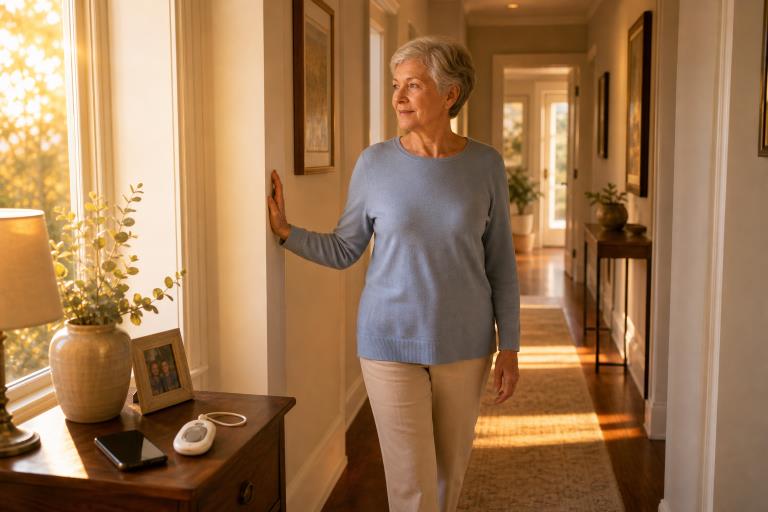
Living alone can offer comfort, privacy, and a strong sense of independence. A safer daily routine is not about making life overly restrictive. It is about creating a few dependable habits that make ordinary tasks easier, reduce avoidable risks, and help someone quickly get support if needed.
The best plan reflects the person’s home, health, preferences, and usual schedule. For some people, that may include keeping a phone nearby. For others, a personal alarm, regular check-ins, and clearer walking paths can provide an extra layer of reassurance without changing the way they want to live.
Why Daily Routines Matter
A consistent routine makes practical tasks easier to remember. Taking medication at the same time, placing keys in one location, and checking that pathways are clear before bed all reduce the number of decisions required during a busy day. Routines also create useful reference points. When a family member, friend, or neighbor notices missed calls, an unopened curtain, or a sudden change in habits, they can check in sooner.
Independence and safety work best together. Many older adults want to remain in their own homes, but confidence often depends on having the right support, preparation, and environment in place. The goal is not perfection. It is creating a home and schedule that feel manageable on both good days and more difficult ones.
Start With A Simple Home Safety Check
A room-by-room review is more practical than trying to fix everything at once. Start with the areas used most often, then choose one or two improvements to complete each week.
Key Areas To Check
- Entryways and hallways:Keep them clear, well-lit, and free of shoes, bags, cords, and small furniture.
- Stairs:Make sure handrails are sturdy and easy to grip. Add bright lighting at the top and bottom.
- Bathrooms:Consider grab bars, non-slip surfaces, and a stable shower seat when appropriate.
- Bedrooms:Create an unobstructed route from the bed to the bathroom, especially for nighttime use.
- Kitchens:Store everyday items between waist and shoulder height to reduce the likelihood of climbing or overreaching.
- Outdoor areas:Check porches, steps, railings, and walkways for uneven surfaces, leaves, ice, or poor lighting.
Ask simple questions as you go: Can important items be reached safely? Are loose rugs secured or removed? Is there enough light to see clearly at night? The CDC’s older adult fall-prevention guidance offers additional practical information for reducing risks at home.
Reduce Common Fall Risks
Falls deserve special attention because their effects can be serious and long lasting. The CDC reports that falls caused more than 38,000 deaths among adults age 65 and older in 2021, while emergency departments recorded nearly 3 million fall-related visits for this age group. Small changes can matter: use brighter bulbs near stairs and beds, keep glasses and water within reach, wear supportive shoes, and avoid rushing to answer a phone or door.
It is also wise to discuss repeated near-falls, dizziness, vision changes, footwear, balance concerns, or medication side effects with a health professional. A medication review may identify issues that are not obvious in long-lasting
Build A Daily Safety Plan
A useful safety plan should be short enough to read through without feeling like a checklist of chores. Build it around activities that already happen each day.
Example Daily Structure
- Morning:Open curtains, drink water, take medication as directed, and look over the main walking areas.
- Midday:Eat a meal, complete one planned task, and include gentle movement if medically appropriate.
- Afternoon:Make a call, attend an activity, or spend time outdoors when conditions are safe.
- Evening:Turn on key lights, prepare items needed for the next morning, and place a phone or alert device nearby.
- Before bed:Clear the route to the bathroom and charge essential devices.
Plan For Emergencies Before They Happen
Emergency decisions are easier when they are made before a stressful event. Keep important information in one easy-to-find place, and make sure trusted contacts know where it is.
Emergency Plan Checklist
- List emergency contacts, nearby helpers, and preferred medical providers.
- Keep medication names, allergies, and health conditions up to date.
- Write the home address near the main phone.
- Choose what should happen if a scheduled check-in is missed.
- Practice calling for help from the bedroom, bathroom, and living room.
- Identify a safe meeting place outside the home in case of fire or evacuation.
Chest pain, trouble breathing, severe bleeding, sudden weakness, or sudden confusion require immediate emergency services. Do not wait for a routine check-in when serious symptoms appear.
Use Helpful Safety Tools With Care
Technology can support a routine, but it should not replace medical care, personal judgment, or human connection. Helpful options may include large-button phones, automatic night lights, medication reminders, voice assistants, smoke and carbon monoxide alarms, emergency call buttons, and fall-detection features.
Before choosing any device or service, consider whether it is easy to use, works in the rooms where help may be needed, has battery backup, and clearly explains who receives an alert. Test devices regularly, keep them charged, and make a plan for false alarms.
Make Social Connection Part Of The Routine
Safety includes emotional well-being and reliable contact with others. Short, scheduled calls often work better than waiting for occasional long conversations. A daily text, a morning call, or a weekly shared meal can create a dependable connection.
Community activities can also help maintain routine and confidence. Consider walking groups, library programs, hobby clubs, faith communities, volunteer opportunities, or senior-center events. Missed calls, skipped meals, and sudden withdrawal from familiar interests may be signs that someone needs an extra check-in.
Watch For Changes In Health Or Daily Habits
One difficult day does not always signal a serious problem. Patterns are more important. Notice repeated falls or near-falls, new confusion, missed medication, unopened food, spoiled groceries, declining personal care, trouble paying bills, or increasing difficulty with transportation and household tasks.
These changes do not prove a particular medical condition. They do suggest that a calm conversation with a doctor, a pharmacist, an occupational therapist, or a trusted family member may be useful. Earlier support can often prevent a small challenge from becoming a crisis.
Review And Update The Plan
Review the safety routine every few months, and sooner after a fall, a hospital visit, a medication change, a move, or a change in mobility. Confirm that emergency contacts are up to date, pathways remain clear, and devices still work as intended. It is equally important to ask whether the plan feels supportive rather than intrusive.
A 2026 Pew Research Center report on aging in place highlights the gap between wanting to remain at home and feeling prepared to do so. Regular review helps close that gap in practical, personal ways.
Final Thoughts
Safer independent living does not require a complicated system. A clear home, simple daily habits, regular social contact, and a practiced emergency plan can make everyday life feel more secure. The purpose is not to remove every risk. It is to reduce avoidable problems while protecting choice, confidence, and control.