Key Takeaways
- Construction hazards can change from one shift to the next, making daily checks essential.
- Pre-work planning helps control fall, struck-by, electrical, excavation, and environmental hazards.
- Short, task-specific toolbox talks make safety expectations clearer for the crew.
- Workers need practical ways to report hazards without fear of blame or retaliation.
- Technology can improve visibility and communication, but it cannot replace training or human judgment.
- Daily safety habits can reduce injuries, rework, downtime, equipment damage, and confusion.
Construction work changes quickly. A site that was orderly and low risk at the end of one shift can look completely different by the next morning. New crews may arrive, materials may be relocated, temporary power may be added, and weather may affect access routes and equipment. Treating construction site safety as a daily responsibility helps teams recognize changes before they lead to an injury, a near miss, equipment damage, or a costly delay.
A strong safety culture is not created through a single orientation, annual training session, poster, or policy binder. It is built through repeatable actions: planning the work, discussing hazards, checking conditions, listening to workers, and quickly correcting problems. Everyone has a role, including project owners, general contractors, subcontractors, supervisors, equipment operators, and crew members.
Why Safety Belongs in Every Workday
Daily safety is practical project management. When teams account for hazards before work begins, they are less likely to make rushed decisions after a problem appears. The work plan should identify who will be on site, which tasks will occur, where people and machines will interact, and what controls are needed before the first tool is used.
Construction remains a high-hazard industry because workers may face falls, heavy equipment, electrical exposure, silica dust, machinery, and other serious risks. The OSHA construction safety resource center offers guidance for identifying and reducing many of these job-site hazards.
How Jobsite Conditions Change
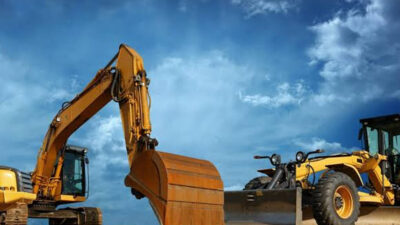
A previous inspection does not guarantee that an area is still safe. As a structure rises, crews encounter new elevations, open edges, floor openings, incomplete stairs, and changing access points. Material deliveries can narrow walkways, while cranes, forklifts, dump trucks, and excavators can create new traffic patterns and blind spots.
Conditions can also change because of temporary wiring, poor lighting, rain, wind, ice, heat, dust, noise, vibration, or poor air quality. A trench that appeared stable yesterday may require a new assessment after rain or nearby equipment movement. Daily reviews help teams avoid relying on outdated assumptions.
What to Review Before Work Begins
A pre-work review does not need to become a long meeting. It should be focused, site-specific, and understandable to everyone involved. The goal is to connect the day’s tasks with the hazards that could affect them.
Daily Safety Review Checklist
- Identify the work planned for the shift and any schedule changes.
- List the major hazards associated with each task.
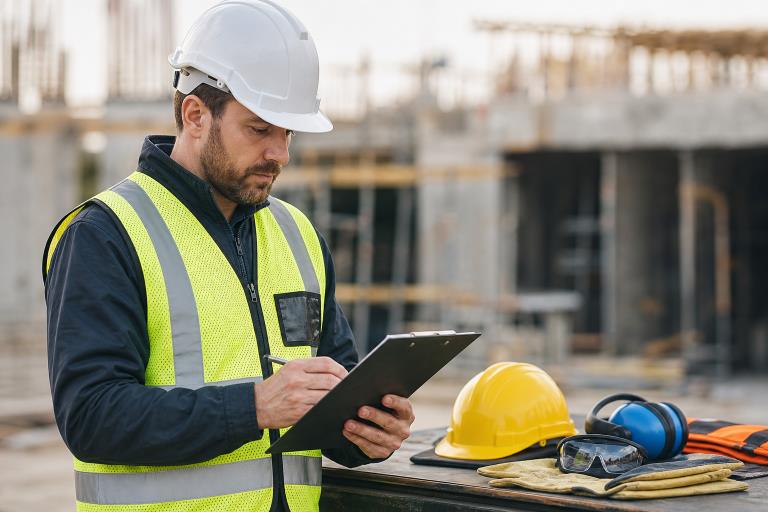
- Confirm workers have the required training, tools, and personal protective equipment.
- Inspect ladders, scaffolds, machines, tools, guards, and protective systems.
- Review delivery areas, walking paths, equipment routes, and exclusion zones.
- Check emergency exits, first-aid supplies, fire equipment, and contact information.
- Discuss weather, lighting, heat, noise, dust, and air-quality concerns.
- Assign responsibility for correcting identified hazards and verifying completion.
Common Hazards That Need Daily Attention
Falls From Heights
Roofs, ladders, scaffolds, floor openings, open edges, and temporary platforms require daily attention. Crews should inspect fall-protection equipment before use and confirm that anchor points, guardrails, covers, and access equipment are appropriate for the task. Falls are the leading cause of construction worker fatalities, and the CDC notes that construction has the highest frequency of fall-related deaths among industries. NIOSH fall-prevention guidance highlights the value of appropriate protective equipment, technology, and safety education.
Struck-By, Electrical, and Excavation Hazards
Workers can be struck by moving trucks, forklifts, cranes, suspended loads, or falling materials. Marked pedestrian routes, controlled delivery areas, reliable spotters, eye contact, and clear signals can reduce exposure. Electrical hazards require equal care: damaged cords, temporary wiring, wet conditions, and exposed conductors should be addressed immediately, and only qualified personnel should perform electrical work.
For trenches and excavations, teams should inspect access points, protective systems, spoil piles, water accumulation, and nearby equipment activity. Conditions may change quickly, so crews should never assume that yesterday’s controls remain adequate.
Heat, Fatigue, Dust, and Noise
Environmental hazards often become more serious when schedules are compressed or overtime increases. Hydration, rest, shade, ventilation, hearing protection, and dust controls help workers stay alert. A tired worker may miss a reversing vehicle, overlook a damaged sling, or react too slowly to a changing condition.
How Clear Communication Prevents Mistakes
Daily toolbox talks give crews a shared understanding of the work ahead. The most useful talks are brief and centered on actual tasks, not generic reminders. Supervisors should use plain language, show workers where conditions have changed, and ask questions that encourage participation.
Questions for a Useful Toolbox Talk
- What work will be done on the site today?
- Where will people and equipment cross paths?
- Which task has the greatest potential for serious harm?
- What protective equipment and controls are required?
- What condition would require the crew to stop work safely?
- Who should be contacted when a hazard is found?
Where Technology Can Help
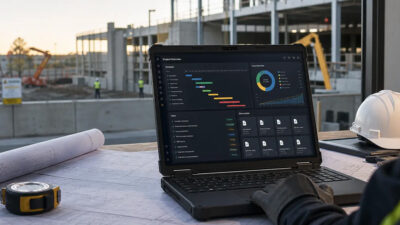
Technology is most valuable when it supports a clear safety process. Drones can help inspect hard-to-reach areas, while environmental sensors may flag heat, humidity, noise, or air-quality concerns. Wearables can support communication and location awareness, and digital inspection tools can assign and track corrective actions. Augmented reality may also help workers practice hazard recognition in controlled settings.
Still, technology has limits. Devices can produce false alerts, fail to capture jobsite context, raise privacy concerns, or be ignored when crews are under pressure. Human supervision, sound judgment, training, and worker involvement remain essential.
Why Worker Feedback Matters
Workers are often the first to notice a blocked exit, an unstable material stack, a missing guardrail, or an unsafe traffic pattern. Reporting should be easy, and supervisors should respond promptly. The best response is not blame. It is to control the immediate risk, determine why it developed, correct the condition, and explain the outcome to the crew.
A Simple Daily Safety System
- Plan:Review tasks, hazards, people, equipment, and conditions.
- Prepare:Provide tools, protective equipment, access routes, and controls.
- Talk:Brief the crew and invite questions before work starts.
- Observe:Watch for changes throughout the shift.
- Correct:Stop, isolate, or fix hazards as soon as they are found.
- Record:Document serious findings, assignments, and completed actions.
- Review:Use lessons from the shift to improve tomorrow’s plan.
Common Questions About Daily Construction Safety
How long should a daily safety meeting last?
It should last long enough to cover the real risks of the day. Routine work may take only a few minutes, while complex lifts, excavation, energized work, or changing conditions may require a longer pre-task review.
Can technology replace a safety manager?
No. Technology can improve observation, communication, and recordkeeping, but it cannot replace leadership, site knowledge, worker input, or professional judgment.
Building a Safer Workday
Construction safety is a daily practice, not a one-time event. When crews plan carefully, communicate clearly, inspect conditions, act on worker feedback, and correct hazards without delay, they are better prepared for the changing realities of the jobsite. The result is a more organized project and a better chance that every worker returns home safely.