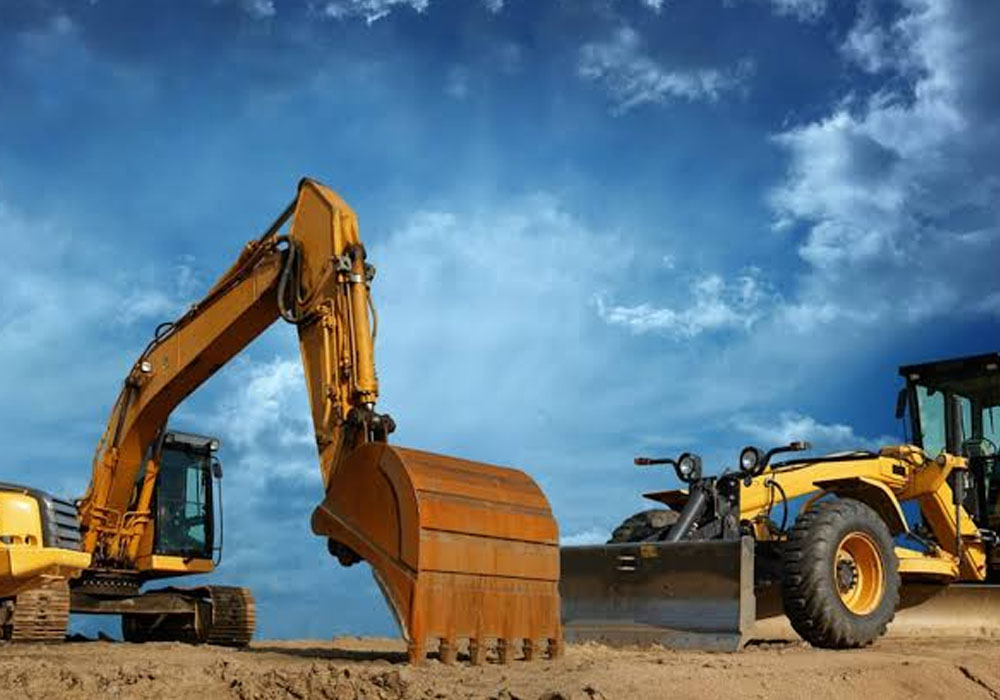
In the construction industry, managing equipment resources efficiently is crucial for project success. Construction companies often face challenges in tracking, scheduling, and maintaining machinery, which can lead to delays and increased costs. The adoption of construction equipment rental software offers a strategic solution to these operational difficulties by streamlining equipment rental and management processes.
The Importance of Equipment Management in Construction
Equipment utilisation directly impacts project timelines and overall profitability in construction projects. Inefficient equipment management can result in idle machines or unexpected breakdowns, causing work stoppages and escalating expenses, points out the Murphy Management team. Therefore, utilising specialised software designed for construction equipment rental facilitates better oversight and improves workflow efficiency.
Core Challenges in Equipment Rental and Management
Construction equipment management involves several challenges such as scheduling conflicts, inaccurate inventory tracking, and delayed maintenance notifications. When equipment is rented externally, coordination between rental providers and construction teams becomes complex, often requiring manual data entry and communication, which is prone to errors and slows down decision-making.
Impact on Project Timelines
Any disruption in equipment availability can cause significant delays. For example, if critical machinery is not available on time, subsequent tasks cannot proceed as scheduled, affecting the entire project timeline. Additionally, equipment breakdowns that are not promptly addressed may result in costly downtime.
How Construction Equipment Rental Software Addresses These Issues
Modern construction equipment rental software integrates several functions into a single platform, including equipment reservation, usage tracking, maintenance scheduling, and billing. This automation reduces manual work, minimises mistakes, and provides real-time data to project managers.
Streamlined Equipment Scheduling
The software enables easy scheduling of machinery based on project requirements and availability. Users can view calendar-based equipment bookings, avoid double-booking, and plan ahead to ensure necessary equipment is ready when needed. This feature particularly benefits projects with multiple overlapping activities.
Real-Time Inventory Management
Real-time inventory tracking allows companies to maintain up-to-date records of all equipment on site and in use. This visibility helps to quickly identify underutilised assets or shortages, enabling timely renting or redeployment of machinery. Real-time tracking also supports compliance with safety regulations by confirming equipment inspections and certifications.
Maintenance Alerts and Records
Scheduled maintenance is essential for keeping construction equipment operational and safe. Rental software automatically alerts personnel to upcoming maintenance deadlines and records completed service activities. This proactive approach reduces unplanned breakdowns and extends the lifespan of machinery.
Improving Financial Control and Reporting
Financial management of equipment rental costs is critical to maintaining project budgets. Construction equipment rental software offers integrated invoicing and cost tracking modules that provide transparency and control over expenses. Detailed reports can be generated to analyse rental costs, utilisation rates, and return on investment.
Cost Savings through Optimised Resource Allocation
By analysing equipment usage data, companies can identify opportunities to reduce rental fees or avoid unnecessary purchases. Better planning ensures that machinery is only rented when required, minimising idle time and rental charges. Additionally, proper maintenance reduces repair costs and equipment replacement expenses.
Enhanced Communication between Stakeholders
The software acts as a communication platform connecting contractors, equipment suppliers, and project managers. Such integration helps to coordinate orders, delivery schedules, and equipment returns efficiently, reducing misunderstandings and administrative delays.
Mobile Access and Remote Management
Many construction equipment rental software solutions offer mobile applications, enabling field staff to check equipment availability, update usage records, and report issues onsite. This immediacy supports faster decision-making and improves overall site management.
Case Studies and Industry Adoption
Leading construction firms adopting construction equipment rental software have reported improved productivity, reduced downtime, and better cost management. The software’s ability to centralise equipment information and provide analytics empowers project teams to optimise workflows and resource allocation.
Future Trends in Construction Equipment Rental Management
Advancements in technology, such as Internet of Things (IoT) sensors and artificial intelligence, are driving the evolution of equipment rental software. Integration with IoT facilitates real-time condition monitoring, while AI algorithms predict maintenance needs and optimise scheduling dynamically, further enhancing efficiency.
Conclusion
Construction equipment rental software is an essential tool for companies seeking to maximise efficiency in equipment management. By automating scheduling, tracking inventory, and streamlining communication, the software reduces operational risks and costs associated with equipment rental. As technology progresses, construction firms that leverage these digital solutions will gain a competitive advantage through improved project delivery and resource utilisation.
For more detailed information on effective equipment rental management systems, it is beneficial to explore platforms such as construction equipment rental software available in the market today.


Software helps plan the timeline, but getting the physical machines to the job site on time is another challenge. Many builders choose a local construction equipment rental provider that has same-day delivery options. This quick delivery keeps the project moving without long delays. It also reduces the need for companies to store large machines on tight job sites. Having a reliable source for these machines makes it easier to manage daily work.