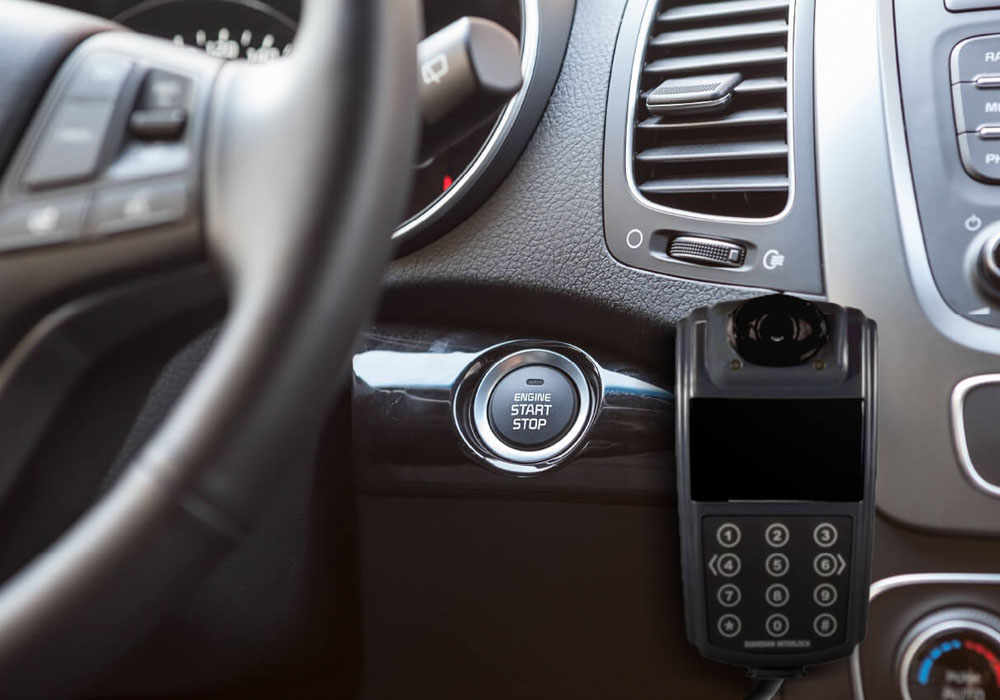
The Alcohol Interlock Program in Victoria is a government initiative designed to reduce the incidence of drink driving and improve road safety. It involves fitting a device, known as an alcohol interlock, to a vehicle, which prevents the engine from starting if the driver’s breath alcohol concentration (BAC) exceeds a predetermined limit. This program is part of a broader strategy to address drink driving offences and support behavioural change among drivers convicted of such offences.
What is an Alcohol Interlock?
An alcohol interlock is a breathalyser connected to a vehicle’s ignition system. Before starting the vehicle, the driver must provide a breath sample into the device. If the BAC is over the set limit, the interlock prevents the engine from starting. The device then requires random retests during the journey to ensure continuous sobriety. This technology aims to reduce the risk of alcohol-related accidents by physically preventing impaired driving.
Implementation of the Program in Victoria
Victoria has incorporated the alcohol interlock system as part of its approach to tackling drink driving offences. The alcohol interlock Victoria program mandates the installation of these devices for drivers who have had certain drink driving convictions. The period of installation varies depending on the severity of the offence and the driver’s history.
Legal Framework and Eligibility
The Victorian government enforces stringent laws regarding drink driving. Drivers convicted of offences such as driving with a BAC over the legal limit or repeat drink driving offences are required to participate in the alcohol interlock program as a condition of their licence reinstatement. In some cases, participation is voluntary but strongly encouraged to demonstrate responsible behaviour and regain driving privileges sooner.
Benefits of the Alcohol Interlock Program
The primary benefit of the program is enhanced road safety. By preventing drivers from operating a vehicle while under the influence of alcohol, the program reduces the likelihood of alcohol-related crashes, injuries, and fatalities. Additionally, it serves as an effective deterrent, encouraging drivers to abstain from drinking before driving.
Moreover, the interlock program assists in the rehabilitation of offenders. It provides a period during which drivers can maintain their licence while adapting their behaviour to avoid future drink driving incidents. The program also contributes to confidence in the licensing system, reassuring the public that measures are in place to protect all road users.
How the Alcohol Interlock Device Works
The device requires users to provide a breath sample before the vehicle can be started. After the initial test, random retests during the journey ensure continued compliance. Failure to provide a breath sample or providing a sample exceeding the BAC limit results in an alarm and warnings. Persistent failure or detected alcohol also results in data being recorded and reported to the relevant authorities.
Installation and Maintenance
Installation of alcohol interlocks must be carried out by authorised service providers. In Victoria, approved providers ensure that the devices meet national standards and function reliably. Regular maintenance and calibration are mandatory to guarantee accurate readings. Drivers are responsible for ensuring timely maintenance to avoid penalties or device malfunction.
Costs Associated with the Program
Participants in the alcohol interlock program bear the cost of installation, maintenance, and removal of the device. These costs vary depending on the provider and the duration of the program. While this represents a financial burden for some offenders, it is often considered a necessary expense to regain driving privileges and demonstrate commitment to road safety.
Data Monitoring and Privacy Considerations
The interlock device records data such as breath test results, attempts to tamper with the device, and instances of non-compliance. This information is regularly reported to VicRoads or other relevant authorities as part of the monitoring process. While privacy concerns exist, safeguards ensure that data is used solely for regulatory and safety purposes. Access is limited, and data retention follows strict guidelines.
Impact on Recidivism Rates
Studies indicate that alcohol interlock programs significantly reduce recidivism among convicted drink drivers. By restricting access to a vehicle while intoxicated, the program interrupts the cycle of offending. The enforced behavioural control period allows individuals to reassess their habits and develop safer driving practices, contributing to long-term reductions in drink driving incidents.
Public Perception and Community Support
The alcohol interlock program in Victoria receives generally positive support from the community and road safety advocates. Many view the program as a practical and effective solution to a persistent problem. Educational campaigns emphasise its role in saving lives and preventing injury, further strengthening public acceptance and compliance.
Challenges and Limitations
Despite its advantages, the alcohol interlock program faces certain challenges. Some drivers attempt to circumvent the device, though technology developments aim to minimise tampering risks. Additionally, the program requires ongoing funding and resources to maintain its infrastructure. There is also the issue of accessibility, as some drivers may struggle with the financial costs or availability of approved installation providers in remote areas.
Future Directions and Technological Advances
Ongoing improvements in alcohol interlock technology include enhanced anti-tampering features, integration with vehicle telematics, and more user-friendly designs. Future expansions of the program may see broader eligibility criteria or longer installation periods based on risk assessments. The Victorian government remains committed to advancing these measures to further reduce alcohol-related road harm.
How to Participate in the Alcohol Interlock Program
Drivers required to participate must contact approved interlock service providers to arrange installation. The official website for the alcohol interlock Victoria program offers comprehensive information on eligibility, costs, and provider contacts. It is essential for participants to comply fully with program requirements to avoid penalties and ensure timely licence reinstatement.
Conclusion
The Alcohol Interlock Program in Victoria plays a crucial role in improving road safety by targeting the reduction of drink driving offences. Through mandatory installation of interlock devices, monitoring of driver behaviour, and support for offender rehabilitation, the program provides an effective means to protect all road users. While challenges persist, the Victorian government continues to refine and promote this initiative as an integral part of its traffic safety strategy.