Key Takeaways
- Use a checklist to keep rental tasks organized and consistent.
- Prepare and document the property before each tenancy.
- Apply fair, consistent tenant screening practices.
- Record move-in and move-out conditions with dated photos.
- Schedule preventive maintenance instead of waiting for emergencies.
- Keep communication, rent payments, expenses, and repairs well-documented.
- Review safety requirements and local rental rules regularly.
- Maintain a clear emergency response plan.
- Plan move-outs early to reduce unnecessary vacancy.
- Review the property’s finances, condition, and performance annually.
Managing a rental property is easier when important work is scheduled rather than only when something goes wrong. Whether you handle one unit or several, a dependable checklist helps protect the property, support tenants, and keep decisions organized. Owners who need hands-on support can also consider a property management service as part of a broader system for leasing, repairs, records, and communication. The goal is not to create unnecessary paperwork. It is to build repeatable habits that prevent small issues from becoming expensive repairs, avoid misunderstandings, and make each stage of a tenancy easier to manage. Keep leases, receipts, inspection photos, notices, and contractor records in one secure digital folder that can be updated throughout the year.
Why Every Rental Property Needs A Checklist
A checklist creates consistency for owners, tenants, contractors, and bookkeepers. Instead of relying on memory, it gives everyone a clear process for inspections, rent, repairs, notices, and records. The best system is simple enough to use weekly and detailed enough to show what was done, when it happened, and what still needs attention, shares RGroup Property Management Oro Valley.
Step 1: Prepare The Property Before Leasing
Before advertising a vacancy or handing over keys, inspect the home carefully. Check walls, floors, ceilings, windows, doors, plumbing fixtures, electrical outlets, locks, heating and cooling equipment, and included appliances. Remove leftover belongings, clean thoroughly, repair visible defects, and take dated photos of each room. A clean, functional property creates a stronger first impression and gives both parties a clearer starting point at move-in.
Step 2: Create A Fair Tenant Screening Process
Written screening standards help prevent rushed or inconsistent decisions. Set reasonable rental requirements before applications arrive, apply the same process to every applicant, and obtain consent before completing any permitted checks. Verify relevant information such as identity, income, employment, and rental history. Keep applications and decisions secure, and avoid stereotypes, assumptions, or personal details unrelated to the tenancy.
Step 3: Make Move-In Clear And Well Documented
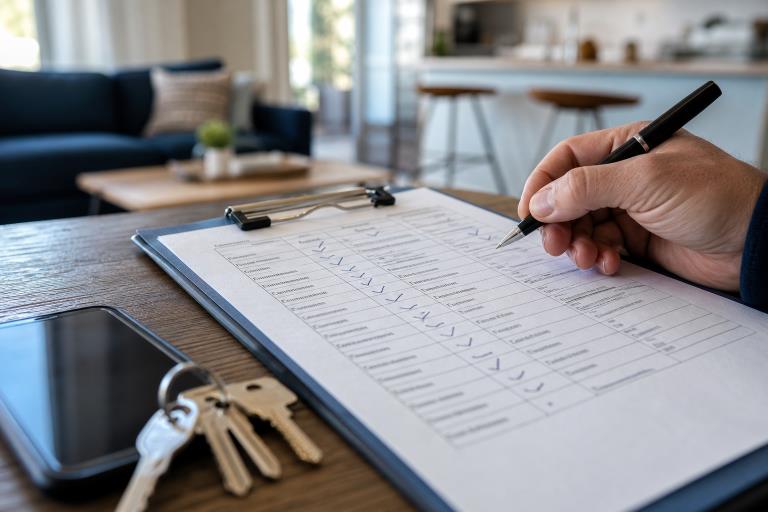
Provide a signed lease and any required documents before or at move-in. Explain rent payment methods, maintenance reporting, emergency contacts, utility responsibilities, parking, storage, and access procedures. Complete a dated condition report with photos, test keys, and entry systems, and confirm that smoke and carbon monoxide alarms are working where required. Clear records help resolve later questions fairly and make future repairs easier to assess.
Step 4: Use Preventive Maintenance To Reduce Problems
Reactive repairs address a problem after it disrupts a tenant or damages the property. Preventive maintenance looks for warning signs earlier. Regular maintenance can reduce the risk of unexpected emergencies, particularly when owners track recurring leaks, heating issues, pests, and incomplete contractor work. Guidance on maintenance and emergency repairs can help clarify the difference between urgent safety issues and routine work.
Practical Maintenance Schedule
- Monthly:Review open work orders, invoices, repeated complaints, and outstanding repairs.
- Seasonally:Check heating or cooling equipment, drains, gutters, windows, doors, exterior surfaces, landscaping, and snow removal needs.
- Annually:Complete a full condition review, update contractor contacts, compare repair costs with replacement options, and review warranties and insurance.
Step 5: Set Clear Communication Rules
Choose one main channel for routine requests, such as an email address or tenant portal, and explain what information tenants should include. “The bathroom ceiling is leaking near the light” gives a contractor a clearer starting point than “There is a problem upstairs.” Set realistic response times, keep important conversations in writing, provide proper notice before entry, and use calm, direct language when disagreements arise.
Step 6: Track Rent, Costs, And Records
Organized finances support better decisions. Record rent payments and late payments promptly, save invoices and utility bills, and separate ordinary repairs from larger capital improvements. A simple monthly report should show income, expenses, open work orders, upcoming lease renewals, vacancy periods, and available cash reserves. Setting aside funds for urgent repairs and planned replacements reduces pressure when major equipment fails.
Managing real estate assets effectively often involves reviewing long-term property use and potential rental opportunities across different markets. For property owners considering coastal investments or vacation rentals, researching destinations like https://saidatowerssouthpadre.com/ can provide helpful context on location features and guest amenities that support steady occupancy and overall property performance.
Step 7: Review Safety And Legal Duties
Rental requirements differ by province, territory, municipality, property type, and lease terms. Review local property standards, approved forms, notice periods, building rules, and safety obligations before taking action. Check exits, stairs, railings, locks, common areas, and required alarms. Keep notices, inspection reports, and repair records. For serious disputes, eviction steps, or unclear requirements, seek qualified legal or housing advice.
Step 8: Build An Emergency Response Plan
Tenants should know exactly how to report an urgent issue and when to contact emergency services. Potential emergencies include active flooding, sewage backup, dangerous electrical faults, loss of heat during severe cold, fire damage, major structural concerns, or a broken exterior lock that creates a security risk.
- Provide current emergency contact details.
- Maintain contacts for plumbing, electrical, heating, and restoration contractors.
- Document the report, response time, photos, invoices, and follow-up work.
- Correct the underlying cause, not only the visible symptom.
Step 9: Manage Move-Outs With Care
Confirm the required notice, final possession date, key return process, cleaning expectations, and utility transfers. Complete a documented move-out inspection and compare it with the move-in record. Apply local rules when distinguishing normal wear from damage, then schedule repairs, cleaning, advertising, and showings without unnecessary delay. A well-managed turnover limits vacancy time and improves the next tenant’s experience.
Step 10: Complete An Annual Property Review
At least once a year, review income, operating costs, vacancy, turnover, response times, and repeated maintenance issues. Assess whether the current rent still reflects the property’s condition and local demand, then plan upgrades that improve safety, durability, comfort, or energy efficiency. Reviewing current rental market conditions can help owners avoid making pricing decisions based on outdated assumptions.
Common Mistakes To Avoid
- Waiting for a small repair to become an emergency.
- Screening applicants inconsistently.
- Keeping key records only in email or paper files.
- Mixing personal and property finances.
- Using outdated forms or assuming rules are identical everywhere.
- Failing to document conditions before and after a tenancy.
Frequently Asked Questions
How Often Should A Rental Property Be Inspected?
Timing depends on local rules, lease terms, property type, and the reason for entry. Always follow applicable notice and privacy requirements.
What Should Be Included In A Property Management Checklist?
Include leasing, screening, move-in, rent collection, maintenance, communication, safety, financial records, emergencies, move-out, and annual planning.
Should Every Repair Be Treated As An Emergency?
No. Emergencies generally involve health, safety, major property damage, or the loss of essential services. Routine repairs still deserve prompt attention.
Conclusion
A rental property management checklist does not need to be complicated. It needs to be current, clear, and used at the right time. By preparing before move-in, documenting property conditions, responding to maintenance requests, tracking finances, and reviewing performance each year, owners can create smoother tenancies and fewer surprises throughout 2026. Regular inspections can help identify small issues before they become costly repairs, while organized records make communication and decision-making easier. A consistent checklist can also help owners stay on top of lease dates, safety checks, contractor appointments, and seasonal maintenance. Whether managing one rental or several properties, simple routines can improve efficiency and support better tenant relationships. The goal is to create a practical system that protects the property, keeps responsibilities organized, and makes everyday rental management more predictable.