Key Takeaways
- An as-is sale means the home is offered in its present condition, not that known problems can be hidden.
- A traditional listing may bring a higher gross price, while a direct cash sale may offer speed and fewer repair demands.
- Compare estimated net proceeds rather than choosing an offer based solely on its headline price.
- Review disclosures, title issues, closing charges, and contract terms before committing to a buyer.
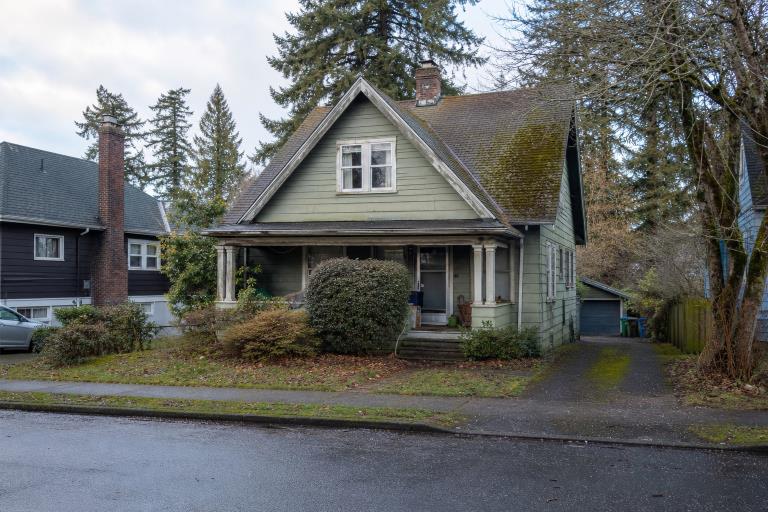
Selling a Tacoma home as-is can be a practical choice when repairs feel overwhelming, time is limited, or a property has more work than a seller wants to manage. Homeowners considering a direct sale can explore options at https://www.sellmyhousefastforcash.com/we-buy-houses-tacoma-wa/, but every offer should be weighed against the costs, risks, and potential returns of other selling methods.
What “As-Is” Means in a Tacoma Home Sale
An as-is listing tells buyers that the seller does not plan to make repairs or provide condition-based credits unless the purchase contract later says otherwise. It is common for homes to have aging roofs, outdated wiring, plumbing leaks, foundation movement, mold concerns, or deferred maintenance, notes CMS Hillsborough Management. Buyers can still inspect the property, examine title records, seek estimates, and negotiate. The signed agreement, rather than the words “as-is” alone, defines each party’s responsibilities.
Why Homeowners Choose to Sell As-Is
Some sellers need a simpler path because of an inheritance, relocation, divorce, illness, vacant-home expenses, tenant issues, or limited savings for large projects. A homeowner may estimate $25,000 in roof, plumbing, and cosmetic work, then learn that the improvements may add less than $25,000 to the likely sale price after delays and surprises. In that situation, selling without major renovations can be a rational financial decision.
Homeowners who want to compare a direct-sale process with other approaches can review www.sellmyhousefastforcash.com after first defining their preferred timeline, repair budget, and minimum acceptable proceeds.
Repair the Home or Sell It As-Is?
Not every repair produces a worthwhile return. Before spending money, ask whether the work will make the home safer, help it qualify for more buyers, prevent a major inspection objection, or materially improve the expected sale price. Also consider how long the project will take and whether opening a wall, roof, or floor could expose a larger issue.
Low-Cost Steps That Can Help
- Remove clutter, trash, and obvious safety hazards.
- Address small leaks or loose fixtures when the cost is modest.
- Improve lighting, airflow, and basic cleanliness.
- Collect permits, invoices, warranties, and maintenance records.
- Secure vacant areas and make the property accessible for inspections.
Major remodeling may be harder to justify when the home also has structural, environmental, or mechanical problems. Obtain repair estimates, then compare the expected return with the cost, disruption, and risk of the work.
Tacoma Home-Selling Options in 2026
Traditional Listing
A listing with a real estate agent generally provides the broadest buyer exposure and may produce the strongest gross price. However, it can involve photos, showings, inspections, appraisal requirements, negotiations, and possible requests for repairs or credits. It is often best suited to sellers who can wait for the market process and prepare the property reasonably well.
For Sale by Owner
A for-sale-by-owner transaction can reduce some listing costs, but the seller must handle pricing, marketing, buyer screening, scheduling, negotiations, paperwork, and coordination. This route may work for an experienced seller, but it can be demanding when the house needs extensive work or the owner is under time pressure.
Direct Cash Sale
A cash buyer may be willing to purchase with limited repairs, fewer showings, and a shorter closing schedule. The tradeoff is often a lower price because the buyer assumes repair, resale, and market risk. In simple terms, traditional listings usually offer broader reach and higher price potential, while cash sales often prioritize speed and convenience.
How to Review a Cash Offer
Compare net proceeds, not just the purchase price. Start with the offer, then subtract loan payoffs, liens, taxes, title and escrow charges, moving costs, repair expenses avoided, holding costs, commissions if any, and buyer-requested credits. A lower offer that closes quickly and requires no repairs can sometimes leave the seller with a similar or better final result.
Read every contract term closely. Confirm the earnest money, closing date, possession date, inspection rights, cancellation terms, assignment language, buyer’s proof of funds, and who selects the title or escrow company. Request an itemized explanation of every deduction. When time permits, compare two or three written offers and have unusual terms reviewed by a qualified real estate attorney or licensed professional.
Washington Disclosures and Deal Risks
As-is does not erase disclosure responsibilities. Washington’s seller disclosure statute covers residential property transfers, including disclosure forms, exemptions, delivery timing, and the effect of known inaccuracies or omissions. The rules can vary by property and transaction type, so sellers should obtain advice for probate, foreclosure, tenant, lien, environmental, or boundary situations.
Gather past inspection reports, repair invoices, permits, insurance claims, notices from government agencies or homeowners associations, lease information, and records involving water, roof, electrical, plumbing, or foundation concerns. Honest, specific answers and supporting records can reduce misunderstandings after closing.
Warning Signs to Watch For
- Pressure to sign before you can read the agreement.
- A buyer who will not provide credible proof of funds.
- Large upfront fees or unexplained charges before closing.
- An assignment clause that is not clearly explained.
- A request to bypass a reputable title or escrow process.
What Happens Before Closing?
Before closing, the buyer typically reviews the property and contract, while the title or escrow company searches for liens, ownership issues, unpaid taxes, and recording problems. The seller should carefully review the final statement for the sale price, payoffs, credits, prorated taxes, title charges, and net amount due. Even though cash transactions may use different forms than financed sales, guidance for reviewing closing figures can help sellers understand how charges and credits are presented.
Simple As-Is Sale Checklist
- Estimate market value and identify known property issues.
- Compare repair costs against likely price improvement.
- Collect loan, tax, insurance, title, and repair documents.
- Verify the buyer, proof of funds, and closing company.
- Confirm all agreed terms in writing before signing.
- Check the final closing statement and possession date.
Final Thoughts
Selling a Tacoma home as-is can make sense when speed, simplicity, or limited repair funds matter more than maximizing the sale price. The strongest decision comes from comparing selling paths, calculating real net proceeds, disclosing known issues accurately, and refusing to rush through a contract. A careful process can make an otherwise stressful sale more manageable.