Arizona homeowners invest heavily in remodels every year, only to end up with spaces that fight the climate instead of working with it. The desert Southwest has specific demands that most general remodeling advice does not address. Getting it right means understanding how heat behaves differently here than anywhere else in the country.
The Roof and Attic Are Doing More Work Than You Think
Most remodels focus on the visible stuff: new flooring, updated kitchens, fresh paint. The attic rarely comes up in conversation until something goes wrong. In Arizona, that is a costly oversight.
Attic temperatures in Phoenix and Tucson regularly climb well past what most insulation systems are designed to handle efficiently. When a remodel adds square footage or reconfigures interior spaces without addressing attic ventilation and insulation, the new rooms become the hottest in the house. Radiant heat pours down through the ceiling all afternoon and into the evening, making mechanical cooling work overtime. The bills follow.
Insulation Type Matters as Much as R-Value
Standard fiberglass batts are common and affordable, but they underperform in extreme radiant heat environments. Spray foam and rigid foam board create a more complete thermal barrier. Spray foam in particular seals gaps that batts leave open, which matters a great deal in a climate where even small air leaks translate directly into higher cooling costs.
Radiant Barriers Are Underused
A radiant barrier installed on the underside of roof decking reflects heat before it ever enters the attic space. This is one of the most cost-effective upgrades available in a hot climate, yet it gets skipped in remodels constantly. Contractors who work primarily in cooler regions often do not bring it up because it is not relevant to their usual projects. Out of sight, out of mind.
Windows and Glass: Where Heat Enters Most Aggressively
A remodel that adds windows, expands existing ones, or installs a new sliding glass door without accounting for solar orientation is setting the homeowner up for discomfort. West-facing glass in Arizona is particularly problematic. The afternoon sun hits it directly for hours at peak intensity, and standard double-pane windows do not provide enough protection on their own.
Low-emissivity coatings on glass make a meaningful difference. These coatings allow light in while blocking a significant portion of infrared radiation. Not all low-e glass performs equally, though. The solar heat gain coefficient, a number that describes how much solar energy passes through the glass, should be a priority specification in Arizona rather than an afterthought.
Exterior shading works alongside glass performance. Deep overhangs, covered patios, and exterior roller shades intercept sunlight before it reaches the glass surface. Interior blinds and curtains help, but they address heat that has already entered the home. Exterior solutions are more effective and should be part of the remodel conversation from the start.
Thermal Mass: A Design Tool That Gets Ignored
Concrete, tile, brick, and stone absorb heat during the day and release it slowly. In a climate with hot days and cooler nights, this property can be used strategically. Thick masonry walls and tile floors act as a buffer, moderating indoor temperatures naturally.
The problem is that most remodels treat thermal mass as a stylistic choice rather than a functional one. Tile gets selected for its look. Concrete countertops get chosen for their aesthetic. The thermal performance of these materials is rarely part of the decision-making process, even though it bears directly on comfort and energy use in Arizona.
Placement matters more than material selection alone. Thermal mass that receives direct sunlight during the day and releases stored heat into the interior at night works against the goal in summer. But thermal mass shaded from summer sun and exposed to cool night air works in the homeowner’s favor. That is a nuance requiring intentional design, not just a good eye for finishes.
HVAC Systems and the Remodel Disconnect
Adding a room, opening up a floor plan, or converting a garage into living space changes the load on an existing HVAC system. Contractors do not always flag this clearly. The result is a remodeled home where the new spaces are either too hot, too cold, or where the system runs constantly trying to compensate.
A load calculation should happen before any significant remodel that alters square footage or changes the building envelope. This calculation accounts for the specific characteristics of the home, including window area, insulation levels, ceiling height, and local climate data. Without it, HVAC decisions are guesswork.
There are several specific situations where HVAC oversight causes the most problems in Arizona remodels:
- Converting garages into conditioned space without upgrading duct capacity
- Adding a great room with high ceilings and large windows on a single zone
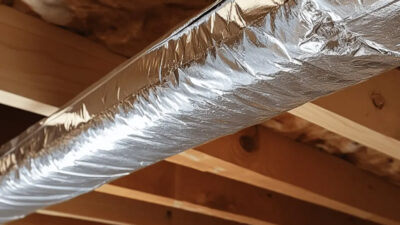
- Extending ductwork through unconditioned attic space without insulating the new runs
- Installing a new kitchen layout that blocks or redirects existing supply vents
- Replacing windows with larger ones without recalculating solar gain
Each of these scenarios can make a finished remodel uncomfortable even when everything else was done well.
Material Choices That Work Against the Climate
Certain materials that perform well in moderate climates create problems in the desert, which is why experienced remodeling contractors in Arizona often recommend alternatives better suited for extreme heat and seasonal humidity swings.
Solid hardwood flooring expands and contracts dramatically with humidity swings, and Arizona’s monsoon season creates exactly those swings. Engineered wood handles movement better, but it still requires careful acclimation and installation.
Exterior paint colors affect surface temperatures more than most homeowners realize. Dark exterior walls absorb heat and transfer it into the wall assembly. Lighter colors reflect more solar energy. In a climate where walls face intense sun for most of the year, this is not a minor consideration.
Grout in outdoor tile applications needs to be rated for freeze-thaw cycles in northern Arizona and for extreme heat in the low desert. Using the wrong product leads to cracking within a few seasons. Caulks and sealants around windows and doors degrade faster under intense UV exposure, and replacing them with products rated for high-temperature environments extends their useful life considerably.
Landscaping also belongs in this conversation. Decomposed granite and rock mulch are common in Arizona yards, but they radiate stored heat back toward the house in the evening. Strategic placement of shade trees and drought-tolerant shrubs near west and south walls reduces ambient heat load on the building. A remodel that extends outdoor living space should account for how that space will actually feel at six on a July evening, not just how it looks in the contractor’s rendering.
Conclusion
Designing for Arizona’s heat is not about a single upgrade or one clever fix. It is a layered approach where the roof, windows, materials, and mechanical systems all work together. The remodels that hold up over time are the ones where the contractor and homeowner treated the climate as a design constraint from the beginning, not a problem to solve after the fact. Anyone planning a significant project in the desert Southwest is better served by slowing down the planning phase and asking hard questions about thermal performance before the first wall comes down.