The Evolution of Youth Education and Activities in Modern Learning Frameworks
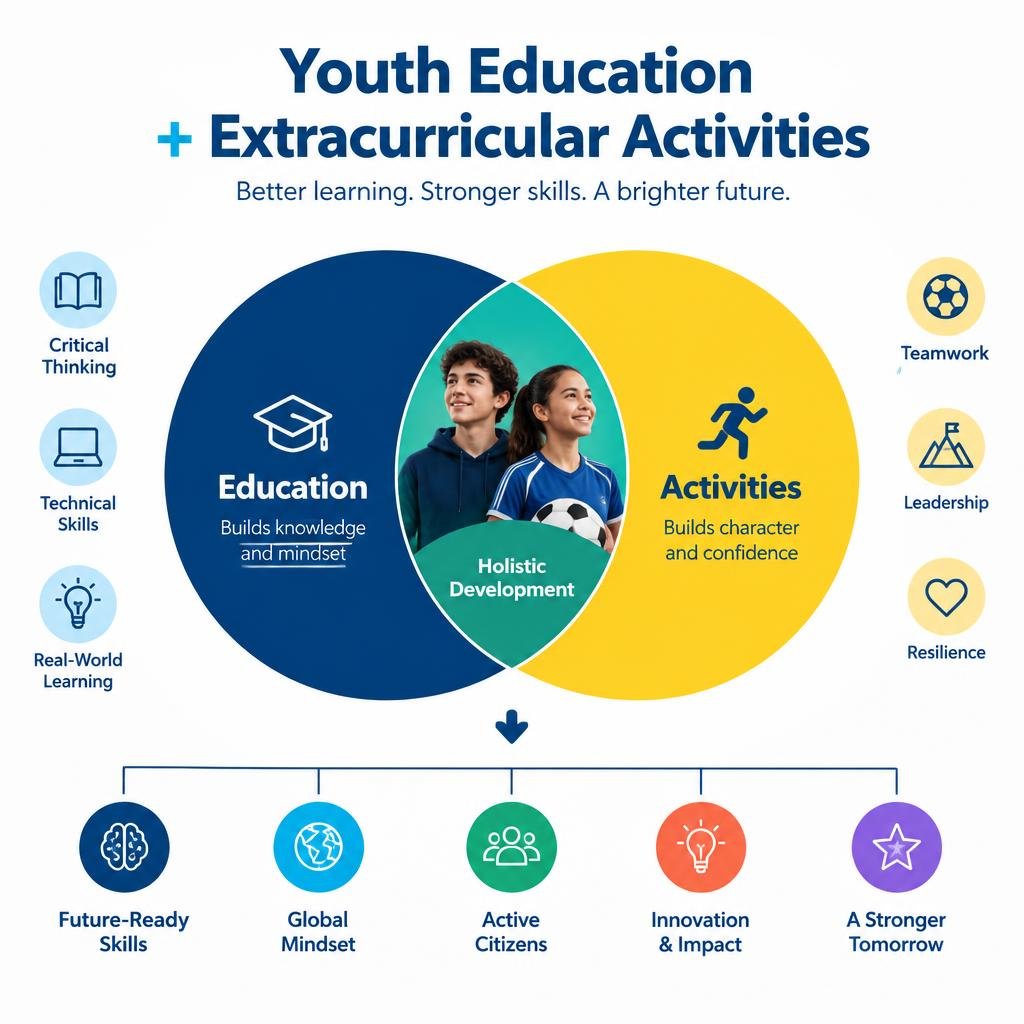
In today’s rapidly changing world, fostering the holistic development of young people is more crucial than ever. It extends beyond traditional classroom learning. We believe that a dynamic blend of innovative education and engaging activities shapes future-ready individuals.
This extensive guide will explore how cutting-edge youth programs are redefining learning in September 2026. We will examine how they balance essential technical skills with humanistic and ethical development. We will also look at how these initiatives empower young people to tackle global challenges and become active, engaged citizens.
From highly specialized programs like advanced technology accelerators to comprehensive efforts in youth soccer development, these experiences are vital. They cultivate not just academic excellence but also resilience, leadership, and a deep sense of purpose.
Join us as we delve into the transformative power of youth education and activities. We will uncover best practices, emerging trends, and strategies for equitable access that promise to shape the next generation of innovators and leaders.
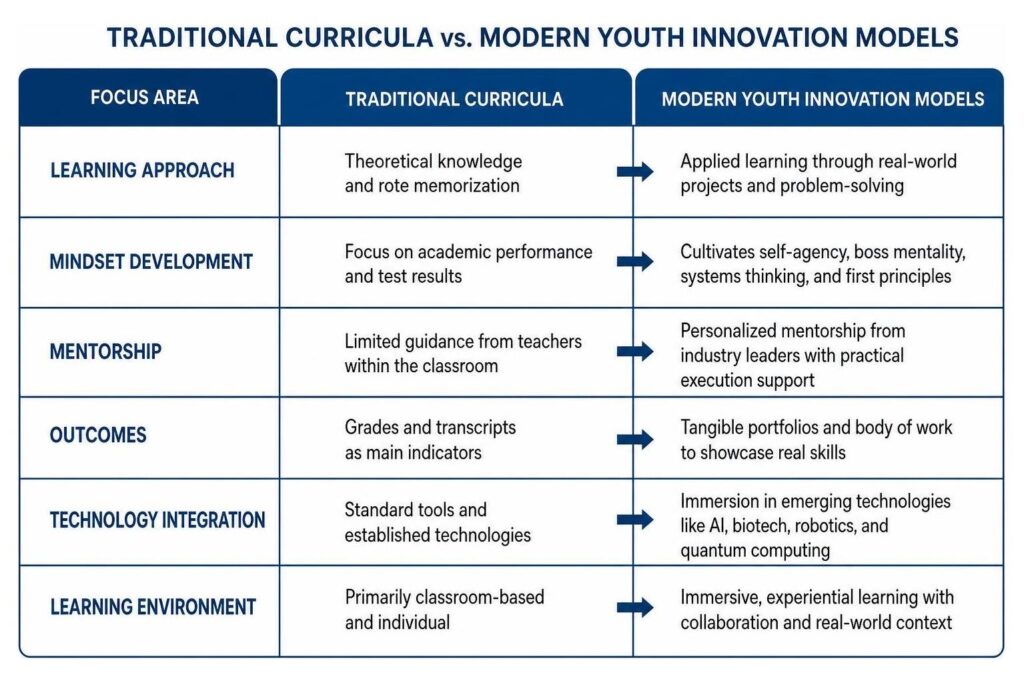
The landscape of youth education is undergoing a significant transformation, moving beyond the confines of traditional schooling to embrace more dynamic, experiential models. Innovative programs are emerging that prioritize real-world application, critical thinking, and the development of essential mindsets over rote memorization. These modern approaches recognize that the skills needed for success in September 2026 and beyond demand a different kind of learning.
One of the most notable differences from traditional schooling is the shift towards project-based education. Programs like The Knowledge Society (TKS) exemplify this, offering a 10-month global accelerator where ambitious teens aged 13-17 don’t just study, but build real solutions with real companies. Unlike traditional curricula that often focus on theoretical knowledge, TKS students are immersed in emerging technologies such as AI, biotech, robotics, and quantum computing, applying concepts through hands-on projects. TKS alumni, numbering over 5,500 from 80+ countries, have collectively built over 6,000 projects globally, showcasing a tangible portfolio of skills often before turning 19. This approach fosters “first principles” thinking, encouraging students to break down complex problems to their fundamental truths, and “systems thinking,” which helps them understand how different components interact within a larger system.
The National Youth Science Camp (NYSCamp) offers another compelling example, providing a fully funded residential STEAM experience that blends rigorous academic sessions with adventure-based learning. While traditional schools might offer science clubs, NYSCamp immerses delegates in lecture series, directed studies, and seminars while also engaging them in outdoor activities like hiking, rock climbing, and kayaking. This blend broadens comfort zones and deepens learning. The impact is profound: more than 99% of NYSCamp alumni receive at least a bachelor’s degree, over 50% earn doctorates, and more than 85% work in a STEM field. Nearly 60% report that the camp influenced their career choice, a testament to the power of immersive, experiential learning.
These innovative programs differ from traditional schooling by:
- Focusing on applied learning: Students build, create, and solve real-world problems.
- Cultivating essential mindsets: Emphasizing skills like self-agency, boss mentality, and systems thinking.
- Providing personalized mentorship: Industry leaders guide students, offering practical execution rather than just theory.
- Developing tangible portfolios: Graduates have a body of work to showcase, not just grades or transcripts.
- Integrating emerging technologies: Keeping pace with the rapid advancements in fields like AI and biotech.
This evolution signifies a move towards education that is not just about acquiring knowledge, but about developing the capacity to innovate, adapt, and lead in an ever-changing world.
Bridging Early Learning and Youth Education and Activities for Long-Term Growth
The foundation for these advanced youth programs is often laid much earlier, in early childhood education. Foundational literacy, social-emotional development, and cognitive adaptability established during these formative years are critical for a child’s long-term success and ability to engage with more complex youth education and activities later on. A robust early learning environment helps children develop curiosity, problem-solving skills, and a love for learning that can propel them into high-impact programs.
For instance, exposure to diverse languages and cultures at a young age can significantly enhance cognitive flexibility and global awareness, preparing children for the global citizenship aspects of programs like Arete Youth Academy or Learning Planet Youth Ventures. Resources that offer comprehensive early education, such as those focusing on multilingual daycare and preschool, play a vital role in building this crucial groundwork. By fostering an environment rich in varied experiences and foundational learning, we equip young people with the adaptability and broad perspective needed to thrive in innovative youth programs and beyond.
Balancing Technical Fluency with Humanistic Mentorship
A key challenge and opportunity in modern youth education is striking the right balance between developing technical skills and fostering humanistic and ethical development. Programs like TKS, Arete Youth Academy, and Learning Planet Youth Ventures are at the forefront of this integration.
TKS, while heavily focused on emerging technologies like AI, biotech, and quantum computing, also emphasizes mindset development. Students learn self-agency, systems thinking, and first principles – skills that transcend technical application and foster a deeper understanding of their impact. The program’s mentorship model, drawing from industry leaders, often includes discussions around the ethical implications of the technologies students are building, such as AI’s societal impact or the responsible use of gene editing.
Arete Youth Academy takes a distinct approach, intertwining classical philosophy, history, science, and arts with modern challenges. Their curriculum, delivered through virtual seminars and a 45-day global tour, focuses on humanistic mentorship. Students engage in dialogue about compassion in AI, peacebuilding, and ethical leadership. This program directly addresses the need for young leaders to possess not only intellectual prowess but also a strong moral compass and a deep understanding of human values. They believe that true cultural engagement and wisdom come from “walking the paths, breathing the air, and interacting with people,” demonstrating a commitment to experiential humanistic development.
Learning Planet Youth Ventures, an online experiential pathway for 14-18-year-olds, is explicitly designed for youth who wish to take action on the Sustainable Development Goals (SDGs). This program inherently balances skill-building with ethical development by focusing on purpose-driven action. It equips young people with problem-solving and project presentation skills, but always within the framework of global challenges like climate action and equality. The program’s structure—Discover, Ideate, Build—is guided by mentorship that encourages intentional, impactful creation, ensuring that technical solutions are aligned with humanistic goals.
These programs collectively demonstrate that technical fluency without ethical grounding is incomplete. By integrating discussions on AI ethics, philosophical inquiry, and purpose-driven action, they ensure that the next generation of innovators are not just skilled, but also responsible and compassionate global citizens.
Developing Global Competence, Civic Leadership, and Climate Agency
The interconnectedness of our world demands that young people develop global competence, strong civic leadership skills, and a proactive stance on pressing issues like climate change. Innovative youth programs are increasingly designed to cultivate these qualities, empowering young individuals to become active agents of change.
International organizations like the UN and UNESCO play a pivotal role in shaping youth education initiatives, particularly those focused on sustainability and global citizenship. The UN policy hubs, for example, increasingly incorporate youth voices to shape future development agendas, highlighting the growing recognition of young people as key stakeholders. UNESCO’s focus on SDG 4 (Quality Education) and SDG 5 (Gender Equality) directly influences programs that aim to foster global competence and intergenerational equity.
The Beyond Lab at UN Geneva, for instance, focuses on “Rethinking Development,” “Intergenerational Impact,” and the “Hope Method.” It frames youth development through the lens of long-term sustainability and intergenerational equity, asking profound questions like, “How can we shift from sustaining to regenerating?” and “How can we have a positive intergenerational impact?” This philosophical approach, coupled with practical frameworks like the “Spillover-Innovation Learning Journey,” helps integrate youth education with sustainability philosophy at a global policy level.
Youth programs are also proving to be effective in addressing climate anxiety and empowering young people to take concrete action on global challenges. Statistics show that 41% of young people feel poorly informed about how to take action for the climate, and 36% want to get involved but don’t know how. This lack of knowledge can contribute to climate anxiety. However, research also indicates that despite high levels of climate anxiety, young activists do not show increased symptoms of depression; action is an effective antidote to impotence.
Learning Planet Youth Ventures directly tackles this by offering a structured, mentored, and funded pathway for young people to develop SDG-aligned projects. By providing seed funding (USD 2,500 per project, with at least 50% supporting youth initiatives in the Global South), mentorship, and opportunities for global exposure (like UN conferences), it transforms passive concern into purposeful action. This hands-on engagement fosters a sense of agency, turning anxiety into empowerment.
Youth-Led Innovation for Sustainable Development
The concept of “regenerative development” – moving beyond merely sustaining current practices to actively improving and restoring systems – is a core tenet of forward-thinking youth programs. The Beyond Lab at UN Geneva champions this philosophy, challenging young people to consider how to create a better world. Their “Futures Balance” and “Spillover-Innovation Learning Journey” frameworks encourage youth to engage in community prototyping and futures thinking, envisioning and building solutions for a more sustainable future. This approach ensures that youth-led innovation is not just about incremental change but about fundamental, positive transformation, with a strong emphasis on global equity, particularly for the Global South.
Model Governance and Participatory Civic Engagement
Developing civic literacy and leadership is crucial for nurturing engaged citizens. Programs like the Kentucky Youth Assembly (KYA) provide an immersive, experiential learning environment where students serve as part of a model state government. Through legislative, media, judicial, and executive roles, participants learn critical thinking, debate, and the intricacies of public policy. Students draft bills, produce news, argue cases, and engage in executive decision-making. The KYA even incorporates AI usage guidelines, encouraging students to use AI for research and inspiration but stressing that final speeches, bills, and materials must be original and student-generated, reinforcing the value of authentic discourse and critical analysis. This hands-on experience in model governance empowers young people to understand their role in shaping society and fosters a deep sense of civic responsibility.
Integrating Sports and Physical Activities for Total Youth Development
Beyond academic and civic development, the integration of sports and physical activities is paramount for the holistic growth of young people. Athletic discipline instills valuable life skills, from perseverance and goal-setting to teamwork and strategic thinking. These activities contribute significantly to mental resilience, helping youth manage stress and develop coping mechanisms. The physical health benefits are obvious, but the development of physical literacy – the motivation, confidence, physical competence, knowledge, and understanding to value and take responsibility for engagement in physical activities for life – is equally important. Outdoor adventure programs, in particular, push comfort zones and build self-reliance.
Integrating Technology and Outdoor Youth Education and Activities
The National Youth Science Camp (NYSCamp) brilliantly combines outdoor adventure with rigorous STEAM education. Delegates engage in activities like caving, kayaking, and biking, which are woven into a curriculum featuring lecture series and directed studies from world-class scientists. This integration fosters a unique learning environment where physical challenges enhance cognitive engagement. The camp’s philosophy of broadening comfort zones through both intellectual and physical pursuits demonstrates how outdoor activities can be a powerful complement to academic enrichment. This experiential model can significantly impact long-term youth outcomes, with many alumni reporting that the NYSCamp influenced their career choices, often steering them towards STEM fields.
Athletic Pathways and Holistic Skill Building
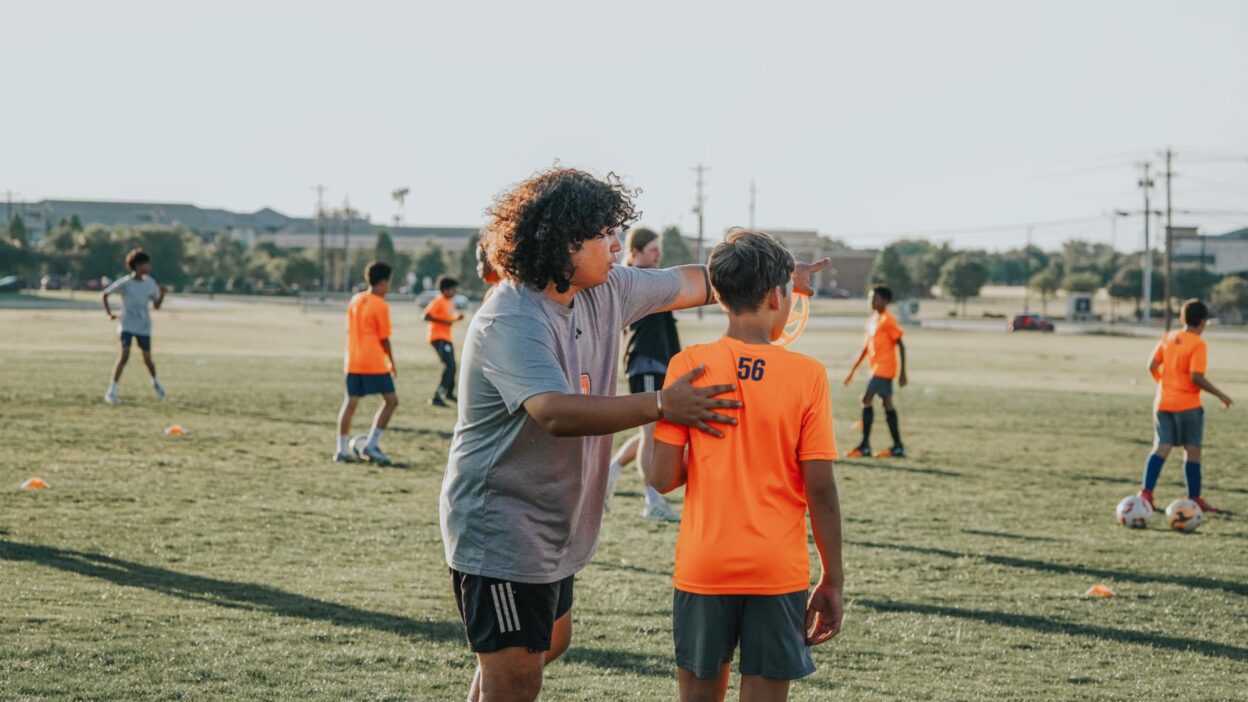
Structured athletic programs, such as those focused on youth soccer development, offer more than just physical exercise. They provide a framework for developing tactical execution, motor skill acquisition, and an understanding of complex team dynamics. Through consistent training and competition, young athletes learn the importance of discipline, strategic planning, and adapting to challenges. Peer mentorship naturally occurs within teams, as more experienced players guide newer ones, fostering a supportive environment. These experiences are crucial for character building, teaching resilience in the face of setbacks, and celebrating collective achievements. The leadership skills honed on the field, from communication to decision-making under pressure, are highly transferable to academic, professional, and civic life.
Overcoming Barriers to Equity and Mainstreaming Innovative Practices
Despite the clear benefits of high-impact youth programs, significant barriers often prevent equitable access. These include financial constraints, geographic isolation, and a lack of information. However, many organizations are actively working to overcome these challenges.
Financial barriers are frequently addressed through robust financial aid programs and scholarships. TKS, for example, offers financial aid supported by major corporations like Interac, BenchSci, Masason Foundation, and Shell, ensuring that ambitious students are not excluded due to cost. Similarly, the Kentucky Youth Assembly (KYA) offers need-based scholarships to offset conference fees. NYSCamp goes a step further by being a fully funded residential program, eliminating tuition costs entirely for its delegates.
Geographic barriers are being tackled through virtual program options and regional initiatives. TKS offers both in-person programs across six global cities and a 100% virtual option, making it accessible from anywhere. The Learning Planet Youth Ventures is an entirely online program, reaching youth globally for its SDG-aligned initiatives. In other contexts, like skilled trades education in British Columbia, the “Look West Workforce Readiness Initiative” aims to improve access to skilled trades training in rural and remote communities, often working closely with Indigenous communities and training providers. The expansion of compulsory skilled trades, such as Mobile Crane Operator and Tower Crane Operator, opens new pathways for youth, and equity initiatives specifically target Indigenous peoples and underrepresented groups to broaden participation.
Informational barriers are being reduced through clearer communication and outreach. Organizations are using accessible websites, social media, and community partnerships to spread awareness about opportunities. The ORCA transit card system in the Puget Sound region, for example, facilitates youth mobility by integrating modern digital payment methods and offering user-friendly apps, enabling easier access to educational and activity sites.
Integrating the best practices from these youth accelerators, camps, and academies into mainstream education systems requires a multi-faceted approach from policymakers and educators.
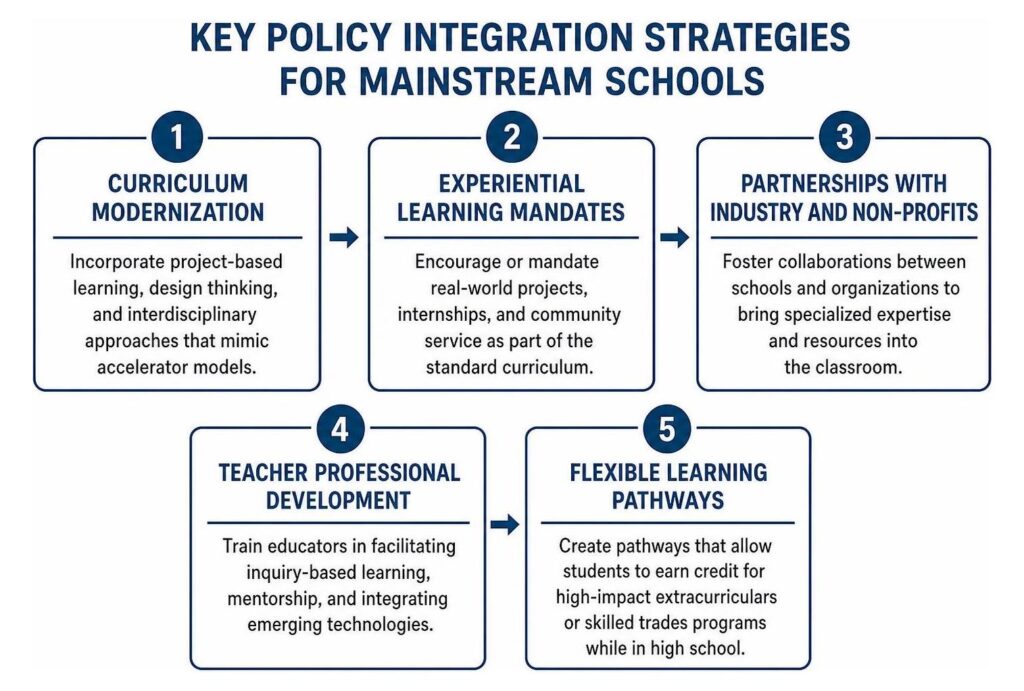
- Curriculum Modernization: Incorporate project-based learning, design thinking, and interdisciplinary approaches that mimic accelerator models.
- Experiential Learning Mandates: Encourage or mandate real-world projects, internships, and community service as part of the standard curriculum.
- Partnerships with Industry and Non-profits: Foster collaborations between schools and organizations like TKS, Learning Planet, or local STEM camps to bring specialized expertise and resources into the classroom.
- Teacher Professional Development: Train educators in facilitating inquiry-based learning, mentorship, and integrating emerging technologies.
- Flexible Learning Pathways: Create pathways that allow students to earn credit for participation in high-impact extracurriculars or skilled trades programs while in high school.
- Addressing Equity Gaps: Implement policies that provide financial support, transportation, and technological access to ensure all students can participate in enriched learning experiences.
- Emphasizing Mindset and Soft Skills: Integrate explicit teaching of self-agency, critical thinking, ethical reasoning, and collaboration into daily lessons.
- Leveraging Digital Tools: Utilize online platforms for hybrid learning models, extending reach and offering diverse content.
Policymakers can create funding mechanisms and legislative frameworks that support these integrations, while educators can champion these changes at the school level. The goal is to make the transformative power of these innovative programs accessible to all youth, not just a select few.
Frequently Asked Questions about Youth Education and Extracurricular Programs
How do modern youth accelerator programs differ from traditional classroom settings?
Modern youth accelerator programs, such as TKS, differ significantly from traditional classroom settings by prioritizing experiential, project-based learning over theoretical instruction. While traditional schools often focus on standardized curricula and grades, accelerators emphasize building a tangible portfolio of real-world projects, often in collaboration with actual companies. They cultivate essential mindsets like self-agency, systems thinking, and first-principles thinking, often through intensive mentorship from industry leaders. This approach prepares students to solve complex problems and innovate, rather than just memorize facts.
How does active participation in global initiatives alleviate climate anxiety in teens?
Active participation in global initiatives, like those offered by Learning Planet Youth Ventures or the Beyond Lab, provides a powerful antidote to climate anxiety in teens. Instead of feeling helpless or overwhelmed by global challenges, young people are empowered to take concrete, purposeful action. Programs offer frameworks for understanding the UN Sustainable Development Goals, provide mentorship, and sometimes even seed funding for youth-led projects. This engagement transforms anxiety into agency, fostering a sense of hope and efficacy. By contributing to tangible solutions and connecting with a community of like-minded peers, young activists find that action is an effective remedy for feelings of impotence.
Why is combining athletic activities with academic enrichment crucial for adolescent development?
Combining athletic activities with academic enrichment is crucial for adolescent development because it fosters a holistic growth that addresses physical, mental, and social well-being. Sports teach discipline, teamwork, resilience, and leadership – skills highly transferable to academic and professional success. Physical activity is vital for stress management, improving cognitive function, and developing physical literacy for a healthy lifestyle. When integrated with academic pursuits, these activities create a balanced environment where young people learn to manage their time, set goals, and persevere through challenges, leading to more well-rounded and adaptable individuals.
Conclusion
The journey through youth education and activities in September 2026 reveals a vibrant and evolving landscape, one that is increasingly focused on fostering holistic development. We’ve seen how innovative programs are moving beyond traditional schooling, balancing technical skill-building with humanistic values, and empowering young people to tackle global challenges with confidence and purpose. From the rigorous project-based learning of tech accelerators to the immersive outdoor STEAM experiences of science camps, and the civic engagement found in model governments, these initiatives are shaping future-ready individuals.
The critical role of international organizations, the power of action in mitigating climate anxiety, and the essential contribution of sports to overall development cannot be overstated. While barriers to access persist, dedicated efforts in financial aid, virtual programming, and policy integration are striving for greater equity.
We believe that investing in these collaborative ecosystems is an investment in the future. By embracing best practices and continuously seeking to integrate innovative approaches into mainstream education, we can ensure that every young person has the opportunity to develop the skills, mindsets, and agency needed to thrive and lead in an ever-changing world. The lifelong impact of these experiences cultivates not just academic excellence, but also resilience, leadership, and a deep sense of purpose, empowering the next generation to make a positive and lasting difference.