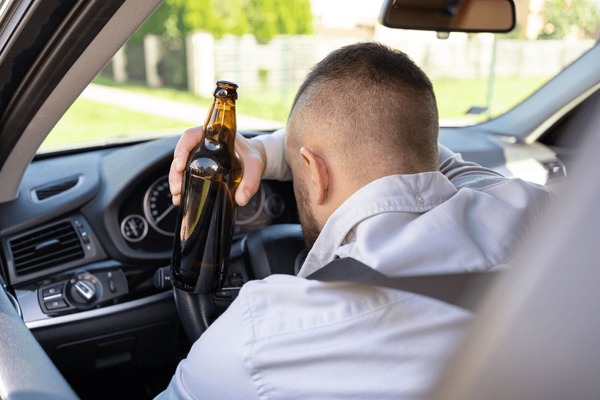
A drunk driving crash can leave victims facing serious injuries, vehicle damage, medical expenses, and lost income. When the at-fault driver was intoxicated, the insurance claim process may involve additional evidence and legal considerations, but the basic process still begins with establishing who caused the accident and determining what insurance coverage is available.
Understanding how insurance claims work after drunk driving accidents can help injured victims know what to expect. Generally, the process involves reporting the crash, filing a claim with the appropriate insurer, investigating liability, documenting damages, negotiating a settlement, and pursuing legal action if the insurance company does not offer fair compensation.
Step 1: Report the Accident
The insurance claims process typically starts with reporting the crash to law enforcement and the relevant insurance companies. A police report can provide important information about the collision and may document whether the driver was arrested or investigated for driving under the influence.
The police may also record witness statements, perform sobriety tests, or arrange for chemical testing. These records can later help establish that the other driver was impaired and contributed to the crash.
Step 2: File an Insurance Claim
After the accident is reported, the injured person generally files a claim with the at-fault driver’s liability insurance company. The insurer assigns a claims adjuster who reviews the circumstances of the accident and evaluates whether the policy provides coverage for the claimed losses.
If the at-fault driver’s insurance is unavailable or does not provide enough coverage, the injured person may be able to file a claim under their own uninsured or underinsured motorist coverage, depending on the policy and applicable state law.
Step 3: The Insurance Company Investigates
Once a claim is filed, the insurance company investigates what happened and determines who was responsible. The adjuster may review the police report, photographs, vehicle damage, medical records, witness statements, and other evidence related to the collision.
Evidence showing that the driver was intoxicated can be significant when establishing liability. For example, California Vehicle Code § 23152 generally prohibits driving under the influence of alcohol or with a blood alcohol concentration at or above specified legal limits.
However, a drunk driving charge or conviction does not automatically determine the amount of compensation an injured person will receive. The insurance company will still evaluate the accident, the policy coverage, and the losses claimed by the victim.
Step 4: The Insurer Evaluates Damages
After investigating liability, the insurer assesses the value of the claim. This may include reviewing medical bills, treatment records, repair estimates, lost wages, and other documentation showing the financial impact of the crash.
Depending on the circumstances and applicable law, a claim may also include compensation for non-economic losses, such as pain and suffering. The severity of the injuries, expected future treatment, and long-term effects of the accident may all influence the value of a claim.
Step 5: The Insurance Company Makes an Offer
After reviewing the claim, the insurer may make a settlement offer. The injured person can accept the offer, reject it, or negotiate for a different amount based on the evidence supporting the claim.
It is important to understand what the settlement covers before accepting it. Once a settlement agreement and release are signed, the injured person may lose the ability to seek additional compensation for the same accident.
Step 6: When Insurance Is Not Enough
The at-fault driver’s insurance policy has coverage limits that may restrict how much the insurer will pay. If the victim’s losses exceed those limits, the victim may need to explore other options, such as an underinsured motorist claim or a personal injury lawsuit against the at-fault driver.
In some cases, the victim may also have a potential claim for punitive damages when the driver’s conduct was particularly reckless. For example, Texas Civil Practice and Remedies Code § 41.003 allows exemplary damages in certain cases when specific statutory requirements are met.
Step 7: A Lawsuit May Be Necessary
If the insurance company denies the claim, disputes liability, or refuses to offer fair compensation, the injured person may consider filing a personal injury lawsuit. A lawsuit allows the victim to present evidence in court and seek damages through the legal process rather than relying solely on settlement negotiations.
The criminal prosecution of the drunk driver and the victim’s civil claim are separate matters. Evidence from the criminal case, such as a DUI arrest or conviction, may be relevant to the civil case, but the victim must still meet the legal requirements for recovering damages.
Key Takeaways
- The insurance claim process generally begins by reporting the crash and filing a claim with the appropriate insurer.
- The insurance company investigates the accident and reviews evidence to determine liability and coverage.
- Evidence of the driver’s intoxication may help establish how the crash occurred and who was responsible.
- The insurer evaluates medical expenses, lost income, property damage, and other eligible losses before making a settlement offer.
- Victims can negotiate an insurance settlement rather than automatically accepting the first offer.
- When insurance coverage is insufficient, additional options may include underinsured motorist coverage or a personal injury lawsuit.
- A lawsuit may be necessary when an insurer denies a valid claim or refuses to provide fair compensation.
- The criminal DUI case and the victim’s civil insurance claim are separate legal proceedings, although evidence from one may be relevant to the other.