Key Takeaways
- Check and replace HVAC filters regularly, especially during heavy use.
- Keep vents, return grilles, and outdoor units clear of obstructions.
- Use thermostat schedules that match your household routine.
- Monitor indoor humidity and address persistent moisture problems.
- Watch for unusual noises, odors, weak airflow, leaks, or rising energy use.
- Schedule professional maintenance before Florida’s hottest months.
- Keep HVAC service records and track recurring comfort issues.
- Prioritize source control, ventilation, and filtration for indoor air quality.
- Leave electrical, refrigerant, drainage, and equipment repairs to qualified professionals.
Florida homeowners depend on air conditioning for much of the year so that small HVAC habits can have an outsized effect on comfort, energy use, and indoor air quality. A trusted heating and cooling company can handle technical repairs and maintenance, but many of the most useful habits begin with simple checks at home. These routine steps are especially valuable during extended hot, humid weather, when an air conditioner may run for long periods and minor airflow or drainage issues can become more noticeable. The goal is not to make every room colder or force the system to run constantly. It is to help the equipment move air properly, manage moisture, and respond predictably to the temperature settings your household actually needs. A practical HVAC routine should also account for how the home is used, including pets, visitors, cooking habits, work-from-home schedules, and rooms that receive strong afternoon sun.
A home can develop higher cooling costs without suffering a major mechanical failure. For example, a dirty filter, a blocked return grille, or a thermostat schedule that no longer matches the family’s routine can cause an otherwise working system to run longer than necessary. Tracking these changes can be useful: a brief note about when a room began feeling warmer, when a sound first appeared, or when humidity increased may give a technician helpful context during a service visit. When a problem goes beyond routine homeowner care, professional air conditioning services can help identify whether airflow, drainage, controls, ductwork, or equipment performance is behind the discomfort. This is often preferable to repeatedly changing thermostat settings, because a thermostat adjustment cannot correct a blocked drain, damaged duct, failing component, or improperly moving air.
Why Small Habits Matter
Florida homes face long cooling seasons, heavy humidity, pollen, and frequent rain. Those conditions can quickly expose minor HVAC issues. Keeping filters clean, vents open, and outdoor equipment clear reduces avoidable restrictions that can interfere with normal operation. Small habits also make it easier to notice changes before they become urgent service calls. Consistency matters more than complicated maintenance routines, while professional residential HVAC services can help address problems that go beyond basic homeowner checks. A homeowner does not need to disassemble equipment to be observant. Regularly checking for reduced airflow, unusual condensation, new noises, or uneven room temperatures creates a baseline for what normal operation looks and sounds like in that particular home.
Start With the Air Filter
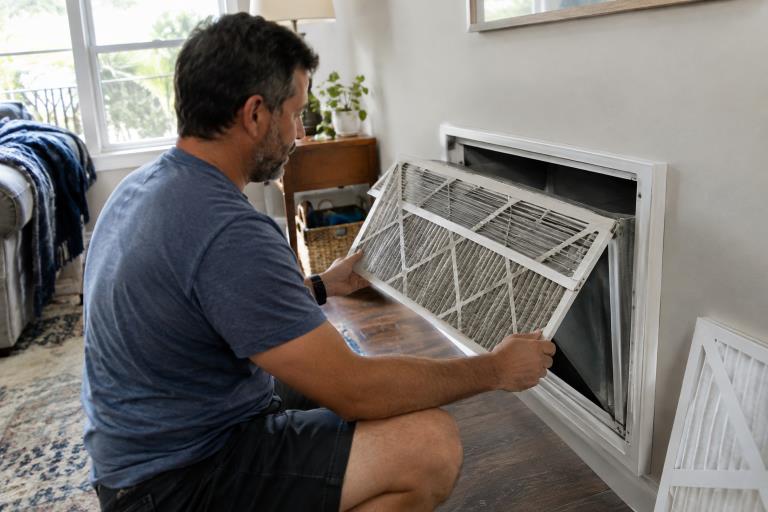
A clogged filter can restrict airflow, causing the system to work harder to circulate conditioned air. Check it monthly during periods of heavy use, especially in homes with pets, smokers, allergy concerns, open windows, or nearby construction. Write the installation date on the filter frame or create a calendar reminder. Choose a filter that fits both the equipment and your indoor-air goals. A highly restrictive filter is not automatically the best choice if the system was not designed for it. The EPA explains that filtration works best as a supplement to source control and ventilation, rather than as a complete solution. Before installing a replacement, check that the size and airflow-direction arrow match the existing filter slot. A filter that is bent, installed backward, or too small for the opening may allow air to bypass the filter media. If a filter looks heavily loaded before its expected replacement interval, consider whether household conditions have changed or whether a professional should evaluate the system.
Use the Thermostat Wisely
Consistent, modest temperature adjustments are generally more practical than extreme swings. A programmable or smart thermostat can adjust settings around work, school, and sleep schedules while helping avoid unnecessary cooling when the home is empty. Keep the thermostat away from direct sunlight, supply vents, drafts, lamps, and kitchen heat, all of which can distort its reading. When changing a schedule, give the home time to respond before making another adjustment. Repeatedly lowering the set temperature because a room does not cool immediately can lead to frustration without solving the underlying issue. If one area is consistently uncomfortable while the rest of the home feels normal, note the location, time of day, and weather conditions rather than assuming the thermostat is at fault.
Quick Thermostat Check
- Confirm that the displayed temperature seems reasonable for the room.
- Review the schedule and update it when household routines change.
- Watch for unusually frequent starts and stops or very long cooling cycles.
- Replace batteries if the thermostat uses them.
- Schedule service if the system cannot maintain the selected temperature.
Control Indoor Humidity
A cool house can still feel uncomfortable when the humidity is high. Excess indoor moisture may also contribute to musty odors and conditions that support mold growth. A basic humidity meter can help homeowners track conditions, while bathroom and kitchen exhaust fans help remove moisture created by showers and cooking. A practical general target is indoor relative humidity between 30% and 50%. Avoid sealing a home so tightly that necessary ventilation is overlooked. If humidity remains high despite normal cooling, a technician can check drainage, equipment sizing, airflow, and control settings. Pay attention to clues such as condensation on windows, damp closets, a musty smell near supply vents, or moisture around the indoor unit. Run exhaust fans during and after moisture-producing activities, and make sure dryer exhaust is directed outdoors. A portable dehumidifier may help with a specific problem area, but persistent whole-home humidity concerns warrant a more comprehensive evaluation.
Keep Airflow Clear
Keep supply registers and return grilles open and free from furniture, rugs, curtains, and stored items. Vacuum visible dust from grilles as needed. Closing multiple vents to direct cooling elsewhere can create uneven temperatures and disrupt the airflow the system needs. Weak air from vents, persistently warm rooms, and long cooling cycles may indicate more than just a dirty filter. Duct leaks, crushed duct sections, dirty coils, blower problems, or an undersized return path can also affect airflow. Homeowners can clear visible obstructions, but duct repairs and internal equipment work belong to qualified technicians. Return grilles deserve the same attention as supply vents because the system needs an unobstructed path to draw air back for conditioning. Keep doors and furnishings from blocking them, particularly in bedrooms, hallways, and utility areas. If furniture must sit near a vent, leave enough surrounding space for air to circulate freely.
Protect the Outdoor Unit
Keep leaves, grass clippings, mulch, and stored items away from the outdoor condenser or heat pump. It needs open space to exchange heat effectively. Check the area after storms and landscaping work, but do not bend coil fins, remove access panels, or spray electrical components. Turn off the power before cleaning around the unit and follow the manufacturer’s instructions. Do not build a tight enclosure around the unit for appearance or noise reduction without confirming that it allows proper clearance and airflow. When mowing or trimming nearby, direct clippings away from the equipment. After severe weather, inspect the surrounding area for fallen branches, standing water, or visible damage before restarting the system.
Plan Seasonal Maintenance
Scheduling a pre-summer inspection allows a technician to find developing issues before peak heat arrives. A thorough visit may include checks of electrical connections, refrigerant performance, condensate drainage, coils, blower components, thermostat operation, safety controls, and duct airflow. Routine maintenance cannot prevent every breakdown, but it can reveal concerns while they are still manageable. An annual pre-season checkup can include inspections of the coil, drain, refrigerant, and controls to support reliable cooling performance. Keep service records, invoices, and notes about recommendations in one place. This history can help homeowners compare recurring symptoms, understand which components have already been repaired, and make better-informed decisions if the system begins needing more frequent service.
Spot Warning Signs Early
Contact a professional when you notice new rattling, buzzing, squealing, grinding, water near the indoor unit, burning or musty odors, frequent cycling, weak airflow, ice on refrigerant lines, or a sudden, unexplained rise in energy use. You can inspect the filter and clear vents first, but turn the system off and seek help for electrical smells, persistent water leaks, or visible ice. Refrigerant and electrical work should be left to trained professionals. It is also helpful to distinguish between a one-time event and a recurring pattern. For example, a brief change in sound during a storm may have an external cause, while a repeated noise at every startup should be documented and reported. Avoid continuing to operate equipment that appears to be leaking water extensively or producing a burning smell.
Balance Energy Savings and Air Quality
Energy savings and healthier indoor air should work together. The core approach is source control, appropriate ventilation, and filtration. Use exhaust fans while cooking, showering, or using strong cleaning products. Portable air cleaners may help address particles in a specific room, but they do not replace moisture control, routine HVAC care, or removal of the pollution source. Simple source-control habits can reduce the burden placed on filters and HVAC equipment. Avoid smoking indoors, store chemicals according to their labels, and promptly clean up moisture from spills or leaks. When outdoor conditions allow, follow the home’s ventilation approach rather than assuming that opening windows is always the best solution during Florida’s humid weather.
Simple HVAC Checklist
- Monthly: Check the filter, vents, sounds, and odors.
- Every few months: Replace the filter when it is dirty and review humidity levels.
- Before summer: Clear the outdoor unit and schedule maintenance.
- After major storms: Look for debris, standing water, visible damage, and power-related issues.
- During repairs: Ask what failed, why it failed, and whether the repair addresses the underlying cause.
- Each year: Review utility bills, comfort complaints, repair history, and system age.
Keep this checklist somewhere visible, such as near the thermostat, utility closet, or home-maintenance calendar. Assigning simple checks to a specific month makes them easier to remember and helps prevent small concerns from being overlooked until the hottest part of the year.
Final Takeaway
Better comfort often starts with repeatable habits. A clean filter, clear airflow, sensible thermostat schedule, controlled humidity, and timely professional maintenance can reduce waste while supporting cleaner indoor air. Keep the routine simple, safe, and realistic enough to follow throughout the year. The most useful approach is proactive rather than reactive: observe how the system normally performs, address basic homeowner tasks promptly, and call a qualified professional when warning signs appear. That combination helps maintain comfort in demanding Florida weather without requiring homeowners to take on repairs that require specialized training.