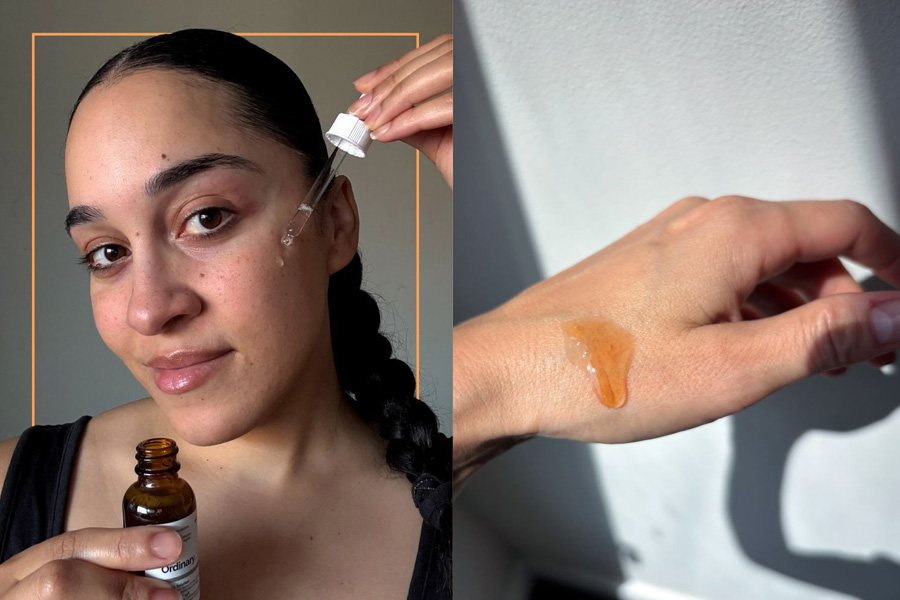
The skincare market is saturated with products that promise dramatic results and deliver modest ones. Anti aging serums sit at the center of that problem. The category is enormous, the claims are often indistinguishable from one another, and the price range runs from accessible to genuinely expensive. Knowing how to evaluate what you are looking at before spending money is worth more than any single product recommendation.
Understanding what makes a serum effective for wrinkles, what ingredients are backed by evidence, and how to match a product to your specific skin concerns cuts through the noise considerably.
Why Serums Work Differently Than Moisturizers
Serums are formulated with smaller molecules than moisturizers, which allows active ingredients to penetrate deeper into the skin rather than sitting primarily on the surface. This is why serums are where the most meaningful concentration of active ingredients typically lives in a skincare routine, and why the right serum tends to produce more visible results than upgrading a moisturizer alone.
For anti aging purposes specifically, the delivery mechanism matters as much as the ingredient list. An active compound that cannot reach the skin layers where collagen synthesis and cell turnover actually occur is not going to produce the changes you are looking for at the surface. Formulation quality determines whether the actives in a serum actually reach their target, which is one of the reasons why product quality differences at different price points are sometimes real rather than purely marketing.
Ingredients That Have Evidence Behind Them
Not all anti-aging ingredients are equal. A short list of compounds has consistent research support for reducing the appearance of wrinkles and supporting skin structure over time.
Retinol and its derivatives are the most studied anti aging ingredients available. They work by accelerating cell turnover, stimulating collagen production, and normalizing skin function in ways that reduce fine lines and improve texture over consistent use. The tradeoff is that retinol can cause irritation, particularly at higher concentrations, and requires sun protection during use.
Vitamin C is a well-supported antioxidant that protects against environmental damage and contributes to collagen synthesis. It works best in stable formulations and deteriorates quickly when exposed to light and air, which is why packaging quality matters for vitamin C products specifically.
Hyaluronic acid draws moisture into the skin and plumps the appearance of fine lines through hydration. It does not change skin structure the way retinol does, but it produces immediate visible improvement in surface texture and works well alongside other actives.
Plant-based ingredients have become increasingly sophisticated in anti aging formulations. Botanical extracts that target the mechanisms of skin aging, including oxidative stress and the breakdown of collagen and elastin, have moved from supporting roles to primary active status in premium formulations.
Clarins built its Double Serum around a concentrated blend of plant extracts targeting multiple signs of skin aging simultaneously. It is one of the more recognized products in the category of best anti aging serum for wrinkles because of its dual-phase formulation that keeps water-soluble and oil-soluble actives separate until application, preserving potency in a way that single-phase formulations do not always manage.
How to Match a Serum to Your Skin Type and Concerns
The most effective serum for someone else is not necessarily the most effective one for you. Skin type, primary concerns, and where you are in the aging process all affect which formulation is the right fit.
Dry skin benefits from serums with richer oil-soluble components that support the skin barrier alongside the active ingredients. Oily or combination skin tends to do better with lighter, water-based formulations that deliver activities without adding to congestion. Sensitive skin needs to approach active ingredients carefully, particularly retinol and vitamin C, starting at lower concentrations and building tolerance over time.
In terms of concerns, fine lines caused primarily by dehydration respond quickly to hyaluronic acid and barrier-supporting ingredients. Deeper wrinkles caused by volume loss and structural changes in the skin respond better to ingredients that work at the collagen level over consistent use. Uneven tone and texture alongside wrinkles points toward formulations that include both antioxidant and resurfacing components.
Application and Consistency Matter as Much as the Product
A serum applied inconsistently produces inconsistent results. Anti aging ingredients work through cumulative effect over weeks and months of regular use, not through dramatic overnight transformation. This is the part of the equation that marketing language often obscures.
Applying a serum to clean skin before moisturizer gives the active ingredients direct access to the skin surface without a barrier layer interfering with absorption. A small amount, typically a few drops, is sufficient for the face and neck. More product may not produce faster results and may cause irritation with certain active ingredients.
Sun protection used consistently alongside an anti-aging routine is not optional. UV exposure is the primary driver of extrinsic skin aging, and the collagen-stimulating work any serum is doing is undermined daily without adequate sun protection. SPF applied every morning protects what your serum is working to improve.
The combination of the right formulation, consistent application, and sun protection is what produces the results that single-product marketing rarely mentions requires the full picture to achieve.