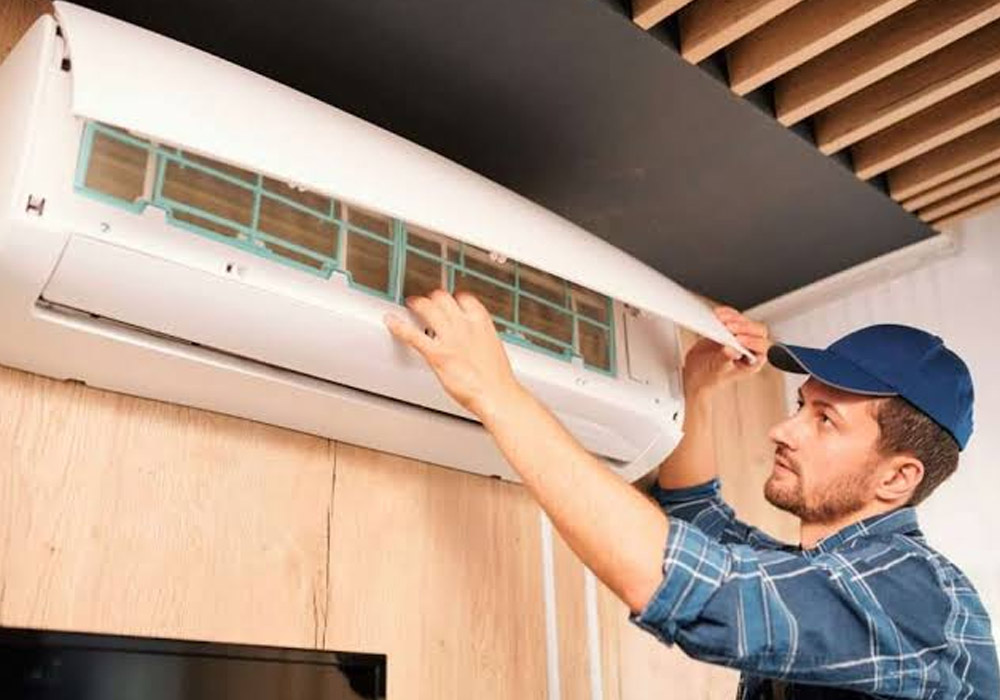
Most homeowners fall into one of two camps. There’s the person who calls a technician the moment the AC makes any unfamiliar noise, and there’s the person who watches three YouTube videos and then spends a Saturday afternoon pulling apart the air handler. Neither extreme is great. The first costs unnecessary money. The second can quietly void your warranty, spike your energy bill, or turn a $90 fix into a $1,400 compressor replacement.
The real skill is knowing where the line is. Some AC tasks belong on your weekend to-do list. Others belong to a licensed technician with a refrigerant recovery machine and a set of manifold gauges. This guide draws that line clearly.
Why the Stakes on This Decision Keep Rising
Air conditioning isn’t a luxury appliance anymore. According to the U.S. Energy Information Administration’s 2020 Residential Energy Consumption Survey, electricity used for air conditioning accounts for about 19% of all electricity consumed in U.S. homes. That’s a bigger slice of your utility budget than your refrigerator, your water heater, and your lighting combined. A system running at degraded efficiency because of a mishandled DIY repair is quietly costing you every single day it runs.
So before you grab a screwdriver, ask yourself what the actual risk of being wrong is. For a clogged filter, the risk is low. For anything touching the refrigerant circuit, the blower motor, or the electrical disconnect, the risk is high enough that a professional is the only rational call.
The U.S. Energy Information Administration tracks residential energy data across all 50 states, and their numbers make one thing obvious: American households are running their AC harder and longer than ever before. Any deferred maintenance compounds fast.
The STOP/TUNE/CALL Framework
Here’s a simple three-tier framework to sort any AC problem you encounter. No HVAC jargon required.
STOP means do not touch it and call a pro immediately. This tier covers anything that could injure you, cause refrigerant to vent into the atmosphere (which is illegal under EPA Section 608), or cascade into a much larger equipment failure.
TUNE means this is a real maintenance task that a careful homeowner can handle with the right product and basic instructions. These tasks are worth doing yourself because they’re genuinely low-risk and doing them consistently extends the life of your system.
CALL means this task is technically DIY-able, but the odds of doing it incorrectly are high enough that paying a professional saves you money in the long run. The cost of the service call is less than the cost of the mistake.
| Task | Tier | Why
|
| Replace air filter | TUNE | Low skill, high impact on efficiency |
| Clean condenser fins with garden hose | TUNE | Safe with power off, no special tools |
| Check and clear condensate drain line | TUNE | Wet/dry vac and diluted bleach is enough |
| Refrigerant recharge | STOP | Requires EPA 608 certification, pressurized system |
| Electrical panel or capacitor replacement | STOP | Live voltage risk, warranty voiding |
| Thermostat wiring replacement | CALL | Wiring errors can damage control boards |
| Annual pre-season tune-up | CALL | Coil inspection and refrigerant check need pro tools |
What You Can Actually Do Yourself
Your filter is the highest-leverage maintenance task in the house, and almost nobody does it on schedule. ENERGY STAR recommends checking your filter every month during heavy use and replacing it at least every three months so airflow does not get choked by accumulated dust and debris. In a hot climate where the system runs nearly all summer, once a month during peak season is smarter.
The outdoor condenser unit is another easy win. Cut power at the disconnect box first, remove any debris that has collected around the unit, and use a regular garden hose on a gentle spray setting to rinse the fins from the inside out. Don’t use a pressure washer. It bends the fins and makes airflow worse. Give it an hour to dry before restoring power.
The condensate drain is the one DIY task most homeowners completely ignore. That small PVC pipe running out of your air handler carries away the moisture your system pulls from indoor air. When it clogs, water backs up, your float switch trips the system off, and you end up with a service call for something that 20 minutes and a wet/dry vac would have prevented. Flush it monthly in summer with a cup of diluted bleach.
Beyond indoor moisture management, keeping your cooling system in optimal condition is essential for overall household comfort during warmer months. When simple troubleshooting steps no longer resolve cooling issues, reviewing professional maintenance resources through https://www.theairmax.com/ can help homeowners determine when it is best to rely on experienced technicians for complex repairs and system care.
“A system that reads static pressure could signal when a filter needs to be changed, but in reality, most systems never operate that precisely. That’s why sticking to the recommended replacement schedule is the best way to protect airflow, efficiency, and overall system health.”
Jennifer Fletcher, owner of Modern Air Solutions, cited by Carrier’s HVAC maintenance resources
Five Signs You Need to Call a Pro Right Now
These aren’t suggestions. If your system is showing any of the following, shut it down and call a licensed technician the same day.
- Ice forming on the refrigerant lines or evaporator coil. This usually means severely restricted airflow or low refrigerant. Running an iced-over system burns out the compressor.
- A burning or electrical smell coming from any vent or cabinet. This can be a failing motor, an overheating capacitor, or a wiring problem. Any of these can cause a fire.
- The outdoor compressor is humming but not starting. A failed start capacitor is the most common cause. It holds a lethal charge even with the breaker off. This is a STOP-tier task every time.
- Your energy bill jumped 20% or more with no clear explanation. A degraded refrigerant charge or a failing compressor will often show up on the utility bill before any obvious comfort problem appears.
- Water pooling near the indoor unit that isn’t from the condensate drain. If it’s not the drain line, you may have a refrigerant leak causing ice to form and melt inside the system.
The Access Problem and Why Where You Live Matters
Finding reliable service isn’t a given everywhere. More than nine out of 10 U.S. households now have air conditioning, but the U.S. Census Bureau’s 2026 LACE research tool highlights that in some communities, AC access and reliable service infrastructure remain limited. In high-demand metro areas, especially during summer heat waves, booking a technician on short notice can mean a multi-day wait if you don’t have an existing relationship with a company.
That’s a practical argument for preventive maintenance over reactive repairs. A homeowner who schedules a pre-season tune-up in April gets first priority when the same company’s phone is ringing off the hook in late July. Reactive customers wait. Established customers don’t.
In a market like Sacramento where summer temperatures regularly push past 100 degrees, the Census Bureau’s 2026 local air conditioning estimates underscore just how essential functioning AC has become for safe, livable homes. Working with a company that knows your area’s peak demand and climate profile matters. Providers offering AC Services Sacramento, CA built specifically around the Central Valley’s long, intense cooling season are worth vetting before you need them on an emergency basis.
The Real Cost of Waiting Too Long
Cooling costs are not going down. According to projections from the National Energy Assistance Directors Association, the financial burden of summer cooling reached an average of $719 from June through September in 2024, up from $476 a decade earlier in 2014. A system running with even modest efficiency losses because of neglected maintenance is adding measurable dollars to that number every week it runs degraded.
The math on preventive maintenance is simple. A $150 pre-season tune-up that catches a failing capacitor before it takes out the compressor saves you from a $1,800 to $2,500 repair. A clean filter changed monthly costs under $20 and can meaningfully reduce monthly energy draw. Small habits, repeated consistently, protect what is usually the most expensive mechanical system in your house.
Know what you can handle, handle it well, and hand the rest to someone with the tools and certifications to do it right. Your future self will have a cooler house and a smaller utility bill to show for it.