Many homeowners lack good ideas – all they lack is a good way to prioritize them. The projects that seem urgent do not necessarily prevail. And the projects that prevail are not necessarily the most thrilling ones to discuss. The following guide will help you sort through all of that.
Start With Safety and Structure, Not Style
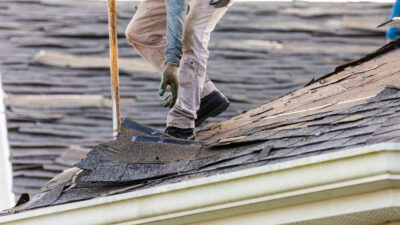
The top priority before you give a budget to a wishlist item is that the house must be in good condition itself. This includes dealing with the consequences of deferred maintenance such as a leaky roof, foundation repairs, plumbing work, or old electrical systems, observe Gulf Income Properties experts.
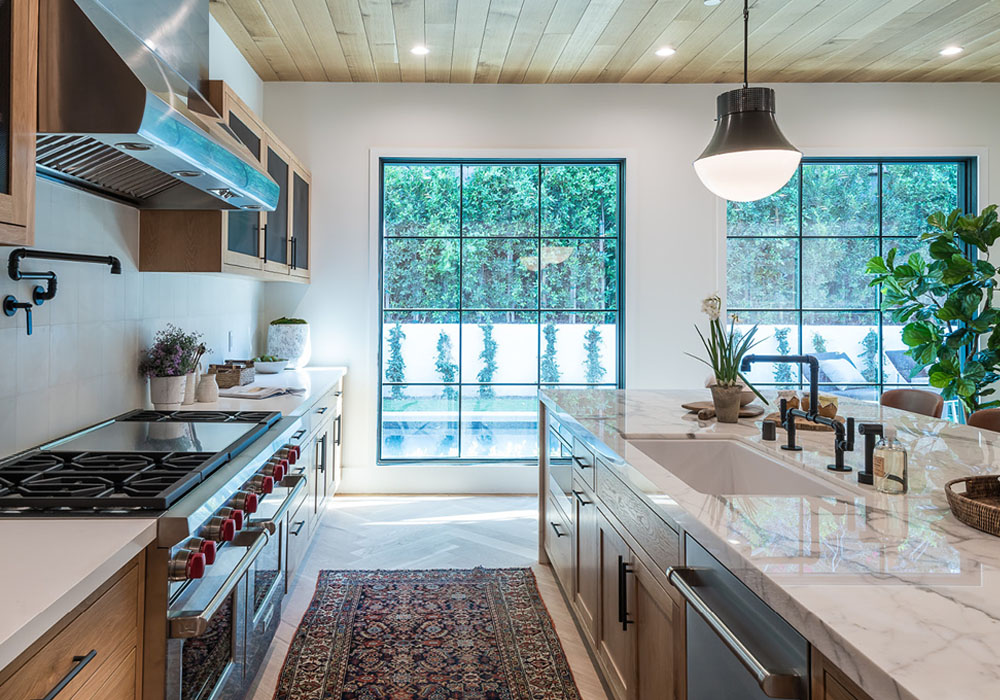
We know that you’d rather put a bigger hole in your wall to add French doors to the back yard than spend on anything hidden and unexciting. But replacing the gas line has to come before your Wolf range.
If the roof leaks and you ignore the situation, it is more likely to cause mold and compromise the structural integrity. And eventually, that ignored problem will tank your asking price in a home sale. If you have a leak in the roof, it is already in the attic and that cool new soaking tub and 100-year-old reclaimed French oak butler’s pantry will have to wait.
Just because a repair is unglamorous or hidden doesn’t mean the problem will stay contained. Fix the basics first.
Use A Value-vs.-Utility Matrix To Rank Everything Else
Once you’ve taken care of the must-dos, and creative line items have been finessed to fit within the realistic scope of the available budget, the rest of your wishlist has to compete fairly against each other. The best way to do this is to create a simple two-axis grid.
One axis of the graph measures financial return on investment – how much of your cost you’re likely to recoup upon selling the home. The other measures personal return on investment – how it rates as a day-to-day upgrade to current convenience and enjoyment of your home life. Plot every project on your list somewhere on this graph.
The no-brainers go in the top right: high return on investment dollars and high daily usefulness/joys. That’s where you go next, after you address must-do safety and structural work. Roughly, after that, you’ll move on to the gut level, passion, and heartstring type projects that give you high daily return though they add little to the resale value (e.g., custom media rooms, incredibly specific landscaping features). These trail-end projects also get funded after the must-dos and the strategic projects are complete. The bottom left projects get crossed off completely.
This matrix doesn’t make the choices, it just gets the reasons for each project out in the open. And that is why one family ends up with a 3,600 square-foot home that’s exactly right for them, and the house next door the exact same size that just got expensively redecorated.
Prioritize Curb Appeal – It Sets The Baseline
The outside appearance of your home performs a function that no upgrade to the interior can provide: it sets the mood for the buyer before they even enter any room. Appraisers understand this. Buyers understand this. And the evidence supports this.
Exterior replacement projects have always been among the highest-ranking in the Cost vs. Value Report in terms of return on investment, because they impact two areas at once. They increase perceived value from the moment someone arrives at the home, and they also indicate that the property has been well taken care of – reducing any concerns from potential buyers.
This is why curb appeal upgrades should be higher up on your priority list than most homeowners place them. Fresh exterior paint, new entryway fixtures, well-manicured landscaping, and structural exterior replacements should all be near the top of the “to do eventually” list and rise to the “to do soon” list.
High-Yield Exterior Upgrades Worth Moving Up The List
When considering the curb appeal category, it’s important to note that not all upgrades are equal. There are some that have minimal effects and are simply aesthetic improvements. However, there are also others that while enhancing the structure of the house, also modify its appearance. These are the upgrades that you should focus on.
For example, complete replacement garage door services is a great case in point. This is one of the few exterior projects that gives a facelift, enhances security, and historically has proven to give an average return on investment of over 100% nationwide (according to the Remodeling Magazine Cost vs. Value Report). When you get all those attributes within a project – transformation in looks, security benefits, and a financial return that’s higher than the project’s costs – you know you’re onto something with significant potential impact.
The garage door is one of the largest aspects of visual appeal at most home facades. If it’s old, damaged, or just unattractive, it severely downgrades the rest of the exterior’s image. Swap it out for an updated design in a house-complementary finish and you’re not just changing one element – you’re changing how the whole landscape is viewed.
Entry door replacements, window updates, and new exterior lighting occupy a parallel space: highly visible, high-performing, and well-documented on the return side of things too.
Audit Your Energy Efficiency Before Adding Features
Many homeowners are interested in adding stuff before they’ve really optimized what they’ve had. Energy efficiency stuff often feels like an afterthought because it doesn’t make for good Instagramming – you’re not sharing a photo of your properly sealed attic insulation with your friends, but this is the stuff that makes all the other stuff easier and cheaper.
That’s because attic insulation, a few smart thermostats, double-pane windows, and HVAC work all have one thing in common: they reduce your monthly operating expense. And that’s not an insignificant monthly amount you’re saving. Over a couple years, that efficiency work you’ve just done can effectively pay for the next upgrade you want to do, without yet another ding to your still-dwindling home equity line of credit.
And a house that’s comfortable and cheap to run represents an actually easier sale. Buyers are increasingly savvier about factoring monthly energy expenses into the total cost of homeownership, and a house with a well-documented HVAC upgrade and smart thermostat setup says to the buyer: “Don’t worry about me – I’ve already done the work.” It’s a legit selling feature, not a squishy one.
Plan Whole-House Upgrades, Not Piecemeal Room-By-Room Projects
Renovating room by room can be a costly affair. For one, it results in a lot of unnecessary labor costs. Secondly, the transitions between old and new can get awkward. And thirdly, a half-finished looking house for the next few years becomes the reality.
For instance, if your home needs new flooring, it is far wiser to address all your floor needs in one go or at the very least, in one stretch. Do not install the parlor room now, the hallway next year, and bedrooms the year after. With this approach, you end up getting better rates on materials, spending less on labor, and not having 4 different types of floorings meet in a 1500sqft house.
Similarly for electrical work, if you’re upgrading your electrical panel for a kitchen remodel, get the entire house audit and necessary upgrades at that time. Your licensed contractor is already on site. Related work in a coordinated phase is always more cost-effective than stand-alone projects.
Minor Kitchen and Bath Updates Over Full Gut Renovations
Complete kitchen and bathroom overhauls are often overestimated as value-adds. Data consistently indicates that the cost of these overhauls isn’t fully recouped on the sale of a home. This is especially true if the overhaul is a high-end renovation in a market that isn’t trading high-end houses.
That extreme makeover project might make your heart sing, but the numbers aren’t lying – the better strategic approach is almost always smaller cosmetic updates. For kitchens, that could be painting over woodwork, updating a faucet, and swapping countertops without overhauling all cabinetry and fixtures. Sometimes the best approach in a bathroom is simply swapping out the mirror for a framed one, updating the faucet, and making the grout look new again.
These sorts of updates are where sweat equity pays off big time. If you’re able to remove and install cabinet hardware, replace light fixtures, or paint over dated woodwork yourself you’ll save considerable cost over hiring out the labor.
Design For The Widest Future Audience
Personal taste is legitimate – you live in this house – but upgrades that price you out of your buyer pool or appeal to only a narrow slice of the market carry real financial risk. When you’re making decisions that will stay with the house for a decade or more, it pays to think about how broad the appeal will be.
Universal design principles are worth building in wherever they make sense: curbless showers, slightly wider doorways, single-floor living options, and lever-style hardware instead of round knobs. These choices serve aging-in-place buyers, buyers with mobility considerations, and frankly most people who’ve used a curbless shower once and decided they prefer it.
Flexible spaces are in a similar category. A room that reads as a dedicated home office, a convertible guest room, or a homework and study space appeals to a broader demographic than a room that’s been finished for a single purpose. Build in function, not assumptions.
Avoid over-improvement relative to the neighborhood. If comparable homes in your area trade at a certain price ceiling, renovating past that ceiling means you’ll spend money you can’t recover on sale. The neighborhood sets the market context. Your upgrades compete within that context, not above it.
Build The Contingency Fund Before You Break Ground
No renovation budget is complete without a 15% to 20% buffer specifically set aside for surprises. Not earmarked for upgrades. Not sitting in general savings. Actually allocated and untouchable except for project overruns.
Behind walls and under floors, older homes reveal things that don’t show on pre-renovation walkthroughs: knob-and-tube wiring, lead pipe segments, subfloor damage, previous repairs done incorrectly. Permit fees and inspection costs add up faster than most first-time renovators expect. Material prices shift between the estimate and the delivery date.
The contingency fund isn’t pessimism. It’s the number one thing that keeps a manageable project from becoming a financial emergency halfway through.
Rank your wishlist, build the buffer, and do the structural work before the aesthetic work. Those three habits separate homeowners who build value from homeowners who spend money.