Key Takeaways
- Weather conditions significantly impact the durability and safety of sports courts.
- Regular maintenance tailored to seasonal challenges can extend the lifespan of court surfaces.
- Implementing proactive measures helps mitigate environmental wear and tear.
Maintaining outdoor sports courts presents ongoing challenges influenced by weather and the surrounding environment. Year-round, these elements combine to impact the safety, functionality, and lifespan of recreational spaces, making a comprehensive understanding and responsive action essential for anyone responsible for their upkeep. For sports facilities in regions like St. Louis, staying ahead of environmental stresses means relying on trusted resources, such as those at https://mcconnellassociates.org/locations/st-louis-missouri/, to implement proactive and preventive maintenance frameworks.
The effects of sun, rain, wind, and temperature fluctuations can accelerate the wear and tear on court surfaces, requiring not only regular attention but also strategically timed interventions, reports Keyrenter West Seattle. Environmental challenges, ranging from sudden storms to prolonged periods of high heat demand, require maintenance practices to remain adaptable. Facility managers who tailor their approach to the changing seasons protect athletes, conserve financial resources, and ultimately extend the playability of their sports courts.
The importance of court care extends beyond aesthetics or surface durability; it directly correlates to safety and performance. Regular, responsive maintenance upholds court integrity, reducing hazards such as loose debris, cracks, and slippery algae. Adopting best practices can make a marked difference in the quality of sport and recreation experiences offered to the community.
For those in charge of outdoor sports courts, understanding the interplay between maintenance and environmental factors is key to sustaining high standards and earning the trust of athletes and visitors alike.
Impact of Weather on Sports Courts
Outdoor sports courts face continuous exposure to a range of weather extremes, each impacting the surface in unique ways:
- Sun and Heat:Extended ultraviolet (UV) radiation can break down materials on the court surface. Fading coloration, brittleness, and even surface cracks are common consequences observed during prolonged sunny periods. Heat also causes surfaces to expand, which can lead to further cracking and warping.
- Rain and Moisture:Water can infiltrate small gaps within the surface and substructure. When temperatures fluctuate, especially in regions with freezing winters, the repeated cycle of freeze-thaw expansion and contraction can cause noticeable fissures or even foundational disruptions.
- Wind and Debris:Strong gusts deposit dust, grit, leaves, and other organic matter. If not cleared swiftly, these materials trap moisture, creating conditions for mold and algae development. This growth increases the risk of slips and surface stains, conditions that make regular sweeping critical.
Recent studies from reputable organizations, such as the New York Times, highlight how even incremental changes in weather can have tangible impacts on sporting environments, underscoring the need for strategic seasonal planning.
Seasonal Maintenance Strategies
Adjusting maintenance practices according to seasonal patterns ensures outdoor courts remain safe and attractive year-round:
Spring
- Inspection:After winter, courts may exhibit stress-related issues such as cracks, surface roughness, or drainage blockages. Early spring is best for assessing these damages and preparing for repairs.
- Cleaning:Mold, mildew, and debris accumulate during colder, wetter months. Deep cleaning using non-abrasive tools and eco-friendly detergents can help restore appearance and safety.
- Repairs:Addressing minor blemishes or structural issues early in the season reduces the risk of larger, more costly damage as temperatures rise.
Summer
- UV Protection:Application of UV-resistant coatings reduces sun damage and preserves surface color vibrancy.
- Regular Cleaning:Intensified activities during summer increase surface wear. Weekly sweeping and occasional rinsing prevent grit accumulation.
- Surface Cooling:In the hottest months, misting the surface during peak heat hours helps prevent dangerous surface temperatures, especially on courts with dark materials.
Fall
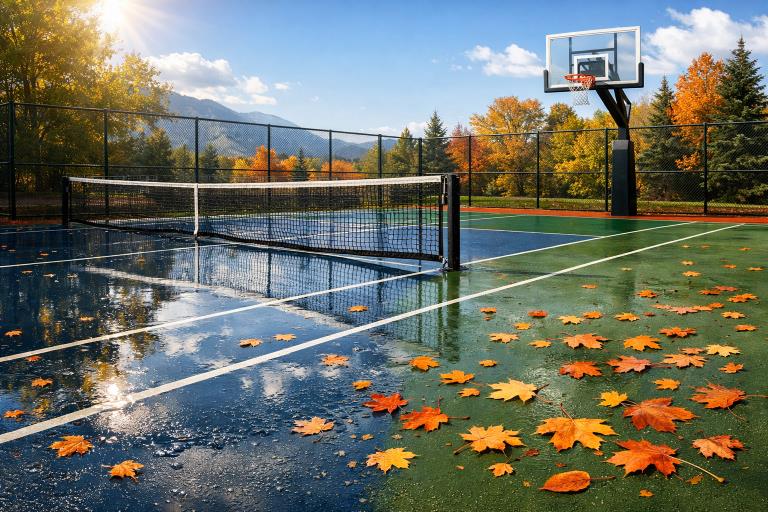
- Leaf Removal:Decaying foliage leaves pigments and creates slick spots. Routine clearance prevents complications from moisture retention and organic matter buildup.
- Drainage Check:Before wet and snowy weather sets in, test drainage channels for blockages to ensure efficient water flow.
- Surface Sealing:Sealing cracks and applying protective coatings prevents moisture penetration and frost damage in the coming winter.
Winter
- Snow Removal:Use plastic shovels or soft-bristled push brooms. Avoiding sharp-edged tools helps maintain surface integrity.
- Avoid De-icers:Salt-based products can corrode surface materials, so alternative snow management should be applied.
- Regular Inspections:Following each freeze or snowfall, monitor for new crack formation or lingering ice patches that could lead to player injury.
Proactive Measures for Court Preservation
By incorporating forward-looking maintenance strategies, facilities can significantly extend the lifespan, performance, and visual appeal of their sports courts. Choosing premium, weather-resistant construction and resurfacing materials well-suited to the local climate helps minimize damage from seasonal temperature changes and environmental exposure. Investing in a properly designed drainage system is equally important, as it efficiently directs water away from court surfaces, reducing the risk of pooling, erosion, and moisture-related deterioration. Establishing a routine maintenance schedule enables facility managers to address minor cracks, surface wear, and equipment issues before they escalate into more extensive, costly repairs. In addition, arranging semi-annual inspections by experienced professionals provides an opportunity to identify early signs of deterioration and recommend timely corrective measures. Taking these proactive steps helps preserve court safety, maintain consistent playing conditions, and protect the facility’s long-term value.
For more technical guidance, resources like the United States Tennis Association Premier Facilities outline best practices for environmental adaptation and maintenance.
Conclusion
Weather and environmental factors are integral to maintaining outdoor sports courts. Facility managers who understand the magnitude of seasonal and climate-driven effects on these playing surfaces are better prepared to provide safe, long-lasting recreation spaces. Through timely inspections, attentive repairs, and the use of quality materials, courts can withstand the rigors of the elements and offer premium experiences to athletes and communities year after year.