Build a Maintenance Rhythm
Great maintenance emphasizes rhythm over heroism. Consider your calendar a service co-pilot. Time-based tasks can be scheduled even without mileage. Coolant, brake fluid, and oil degrade with age and use. Know your driving style. Serious service and compress intervals include frequent short journeys, long idle times, dusty roads, heavy towing, or stop-and-go driving. Maintenance logs should include dates, mileage, fluid parameters, and part numbers. It helps diagnose problems, sell cars, and validate warranties.
Seasonal Checkpoints That Matter
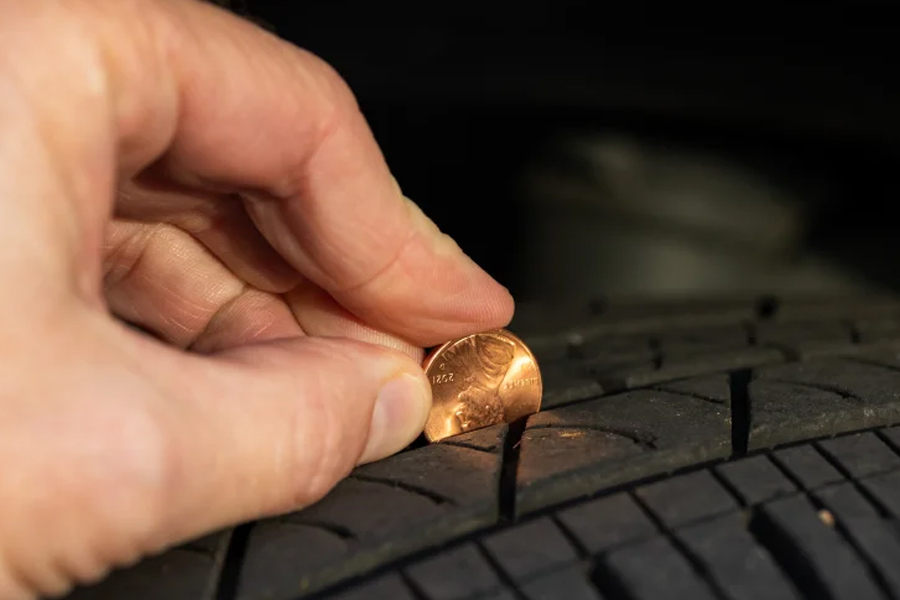
Seasons affect car aging. Cold snaps test batteries and starters. Before winter, evaluate your coolant’s freeze protection, state-of-charge, and terminal cleanliness. Change to winter wiper blades and low-temperature washer fluid. Heat waves test AC and cooling. Before the first scorcher, examine radiator fins, fan operation, and A/C functioning. Spring rain requires tread depth to avoid hydroplaning. Rinse the underbody and wheel wells after salty roads to prevent rust.
Know the Lifespans of Wear Items
Every component has a clock. Belts crack and glaze. Hoses soften or harden and might inflate at the ends. Spark plugs slowly enlarge their spacing, stressing coils and squandering gasoline. Cabin filters clog and turn HVAC systems musty. Brake fluid accumulates moisture with time, which lowers the boiling point and promotes corrosion inside calipers and ABS modules. Many differentials and transfer cases need periodic fluid adjustments that owners neglect. If your vehicle has a timing belt, respect the interval for age and mileage. If it employs a chain, listen for rattle on cold starts and keep oil quality high to safeguard the chain guides.
Tires Beyond Pressure
The baseline is pressure, not the end. Inner tires age too. Determine the DOT date code and replace every six years regardless of tread depth in most climates. Follow your powertrain and tire pattern when rotating. If feathering or cupping occurs, check suspension wear and alignment. Tire pressure monitoring systems protect but do not gauge. Check with a good handheld gauge. Remember the spare and tire repair kit. Make that the jack, lug wrench, and locking lug key are there. Retorque lugs to spec after tire service to avoid warped rotors and loose hardware.
Braking Confidence
Safe brakes are a coordinated system. Pad thickness and wear matter. Tapered pads indicate stickier caliper slides or pins. Rotors have a minimum thickness you cannot exceed. Pulsation indicates uneven deposits or thickness fluctuation. A soft pedal may indicate air in the system or a faulty master cylinder. Flush intervals prevent valve damage and moisture. Park brake performance is important, especially in steep locations. Modern brakes dust less, however one wheel with odd dust color may indicate heat or dragging.
Clean Air and Fuel Delivery
Engines drink and breathe. Clean the engine air filter to ensure accurate mass airflow sensor readings and crisp fuelling. Replace the cabin air filter for better defrosting, odor reduction, and blower motor protection. Consider your external fuel filter a protector of injectors and pumps. Dirty injectors produce harsh idle, slow throttle response, and low economy. High-quality fuel and recommended intervals reduce carbon. Since fuel no longer washes intake valves, direct-injection engines may need periodic valve cleaning.
Electrical System Basics
Voltage narrates. Healthy resting batteries read at 12.6 volts. Cranking should not drop below 9.6 volts, and operating should be 13.8–14.7 volts. Before blaming parts, check the alternator belt, grounds, and connections if numbers vary. Terminal corrosion is widespread and treatable. Rince, dry, and apply dielectric grease after neutralizing with moderate baking soda. Long-parked autos can develop parasitic draws. A simple current test can find a never-sleeping glovebox light or module.
Fluids With Purpose
Each fluid has a job description and telltales. Soot and chemicals discolor engine oil. Pay attention to burnt-smelling or opaque transmission fluid. Focus on utilizing the right coolant formula rather than pursuing a specific color. Age and heat can discolor power steering fluid. Ensure brake fluid is clear to light amber. Colorful and fragrant puddles under the automobile. Transmission or power steering fluid may be pink or red. Coolant could be bright green, yellow, orange, or pink. Brown or black indicates oil. Do not add a random bottle. Meet standards.
Small Tools That Save Big
A small kit simplifies mysteries. Misfire counts, coolant temps, and fuel trims are displayed via an OBD-II scanner. Torque wrenches prevent thread stripping and brake rotor warping. Good tire gauges, tread depth gauges, and portable inflators keep rubber in tune. Weekend jobs are cleaner and faster with a headlight, nitrile gloves, and magnetic parts tray.
Smart Driving Habits That Reduce Wear
Mechanical sympathy pays dividends. Accelerate smoothly and look far ahead to avoid hard stops. Let the engine and transmission reach operating temperature by driving gently, not by idling for long stretches. Short trips invite moisture and fuel dilution in the oil. Now and then, take a longer drive to clear things out. Avoid potholes and curbs that chew up suspension and wheels. Wash and wax to keep paint sealed against UV and contaminants. Treat door seals with a silicone-safe conditioner so they do not stick or crack.
Organize Your Records and Budget
A clean paper trail is valuable. Check parts, torque, and intervals. Record fluid intake and amounts. You can attribute noises to recent changes or to unrelated events. Start a maintenance fund with a little monthly contribution. Consider pieces that transcend the original. A cheap solution might be costly if it fails early or causes collateral harm.
When Tech Helps
Modern automobiles may help if you let them. Oil, brake, tire pressure, and service reminders are shown by several systems. Use these alerts but check with inspections. Advanced driver assistance systems may need calibration to steer and brake after windshield replacement or suspension adjustment. An alignment printout and calibration certificate provide confidence.
Emergency Readiness
A difficult day is tolerable with preparation. A reflective triangle, high-visibility vest, quality jumper cables or lithium jump pack, tire repair plug kit, inflator, and first-aid pack should be in a compact package. Learn your car’s jacking points and practice in your driveway. Put an extra key somewhere safe outside the car. To avoid sparks near the battery when jump starting, connect positive to positive and negative to a solid ground on the disabled vehicle, not the negative terminal.
Warning Signs You Should Not Ignore
Cars whisper before yelling. A pleasant fragrance indicates coolant. A rotten egg smell indicates a bad catalytic converter or charging issue. Belt start squeals. Rumbles that alter speed may be wheel bearings. A flickering check engine light indicates a catalytic converter-damaging misfire, so lessen load and get it checked out. To avoid catastrophic damage, turn off the engine when the oil pressure warning light appears. Overheating demands a safe pull-over, engine off, and wait before checking coolant.
FAQ
How often should I service a low-mileage car that mostly sits?
Time matters as much as miles. Even while parked, fluids acquire moisture and additives age. Maintain oil, brake fluid, and coolant according to your timetable. At least weekly, drive the automobile farther to warm the engine and dissipate humidity.
Is synthetic oil worth it for older engines?
If the engine is healthy and the manufacturer allows it, synthetic oil improves temperature stability, cold start flow, and breakdown resistance. Reduces deposits and protects during short trips and hot temperatures. Use the right viscosity and specs. Check for leaks after the switch if seals are old and brittle.
Do hybrids and EVs need less maintenance?
Some typical items are skipped but others included. Engine oil and coolant servicing are still needed in hybrids, which regenerate brakes and operate engines less. Although they skip oil changes and exhaust, EVs need braking fluid, coolant loops for batteries and power electronics, cabin filters, tires, and alignment. Technician-performed software updates and high-voltage system inspections benefit both.
What PSI should I use if my tire sidewall lists a higher number than the door sticker?
Use the door sticker. The sidewall number is the tire’s maximum pressure rating, not the recommended operating pressure for your vehicle. The door placard reflects the suspension, weight distribution, and handling characteristics engineered for your car.
Can I rotate tires on an all-wheel-drive vehicle myself?
Yes, assuming you follow the blueprint, utilize suitable jacking points, and torque lugs properly. Strict rotation times help AWD systems match tire sizes. Refer to your tire’s rotation pattern and respect directional or staggered fitments.
How do I know if my coolant is the right type?
Match your owner’s specs. Coolants have varied chemistries to protect metals and seals. Mixing types reduces corrosion protection. Use a full drain and fill with the right formula instead than random coolant if unsure.
Why did my check engine light go off by itself?
Intermittent conditions can set and clear if the fault does not reappear over several drive cycles. The code may still be stored as history. Scan the vehicle to see what was flagged and monitor for recurrence. If the light returns or drivability worsens, schedule diagnostics promptly.