A new BTO flat represents an exciting milestone, and every homeowner expects the property to meet proper construction standards before moving in. Fresh paint and neat finishes can create a good first impression, yet small workmanship issues may remain hidden until regular use begins. A thorough inspection helps confirm that every part of the flat meets expected quality before occupancy.
A professional defect checker follows a systematic inspection process instead of relying on a quick visual review. Trained inspectors assess every accessible area, record each observation with supporting photographs, and prepare detailed findings for rectification. This article explains the key inspection areas that define a high-quality BTO defect check and why each one deserves careful attention.
Wall, Ceiling, and Floor Surface Assessment
Wall and Ceiling Condition Review
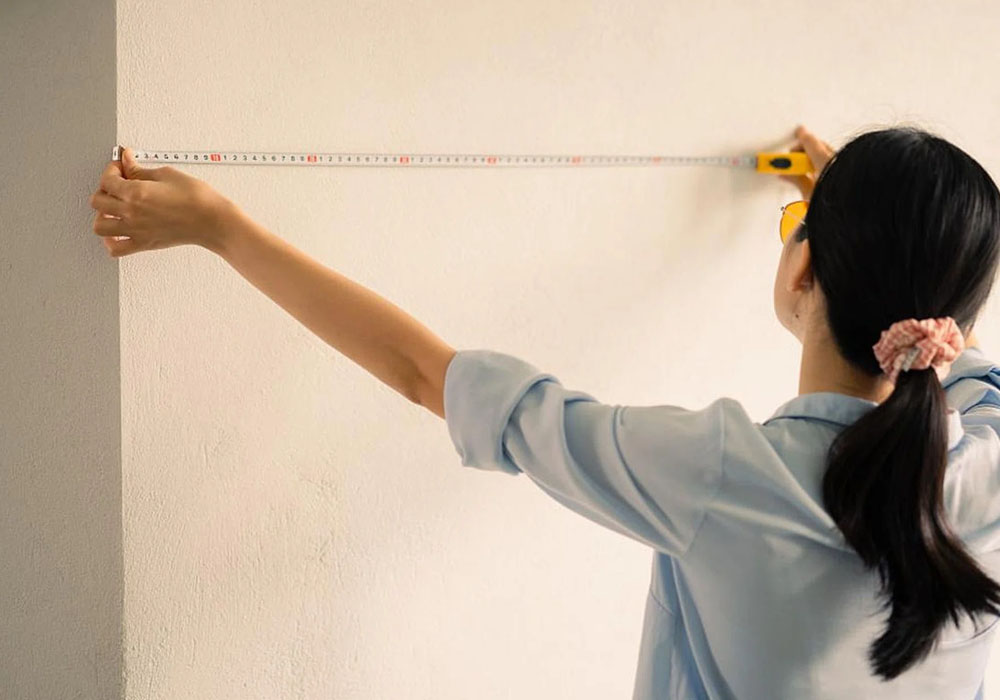
Professional inspectors examine every wall and ceiling for cracks, uneven plaster, chipped paint, stains, patch marks, and poor finishing work. They also inspect corners, joints, and surface consistency because these areas can reveal workmanship concerns that are easy to overlook. Every identified issue is documented with photographs and its exact location to support efficient rectification.
Floor Leveling and Tile Soundness Test
Inspectors evaluate flooring by checking tile alignment, grout consistency, surface level, and hollow sounds that may indicate weak bonding beneath the tiles. They also inspect for chipped edges, scratches, uneven joints, and noticeable height differences between adjoining areas. These checks help confirm that the flooring has been installed according to expected workmanship standards, notes Somerset Property Management.
Window and Door Performance Verification
Proper Alignment and Smooth Operation
Inspectors open and close every window and door several times to verify smooth movement and proper alignment. They check for sticking panels, uneven gaps, frame movement, and poor fitting that may affect daily use. This process confirms that each unit operates comfortably and closes securely.
Lock, Handle, and Seal Inspection
Every lock, handle, hinge, rubber seal, and sliding track receives careful attention. Inspectors verify secure installation, proper operation, and overall condition while identifying loose fittings or damaged components. These detailed checks support long-term functionality and improve overall home quality.
Electrical and Plumbing System Evaluation
Electrical Point Functionality Test
Professional inspectors test electrical switches, power outlets, lighting points, and installed fittings to confirm they function correctly. They also perform a visual assessment of the distribution board to verify proper installation and accessibility before homeowners begin using electrical appliances.
Plumbing Fixtures and Water Flow Check
A qualified defect checker examines water taps, sinks, toilets, shower fittings, and floor traps to verify proper water flow and drainage performance. Inspectors also check visible pipe connections, sanitary fittings, and wet areas for leaks, poor sealing, or drainage concerns. Every observation becomes part of a detailed report that supports effective rectification.
Professional Expertise Delivers More Reliable Results
A complete inspection requires technical knowledge, practical experience, and a consistent inspection process. Experienced professionals know where workmanship issues are likely to appear and use systematic methods to evaluate every accessible area without missing important details. Their reports include photographs, precise location mapping, severity classifications, and rectification timelines, making communication with the developer much clearer. Working with qualified inspection specialists gives homeowners greater confidence that the flat has received a careful and comprehensive assessment before move-in.
A high-quality BTO defect check provides valuable assurance before a new home is occupied. Careful inspection helps identify workmanship issues early and supports timely rectification while the property remains within the appropriate handover period. Professional expertise adds confidence throughout the process and allows homeowners to prepare for their new home with greater peace of mind.