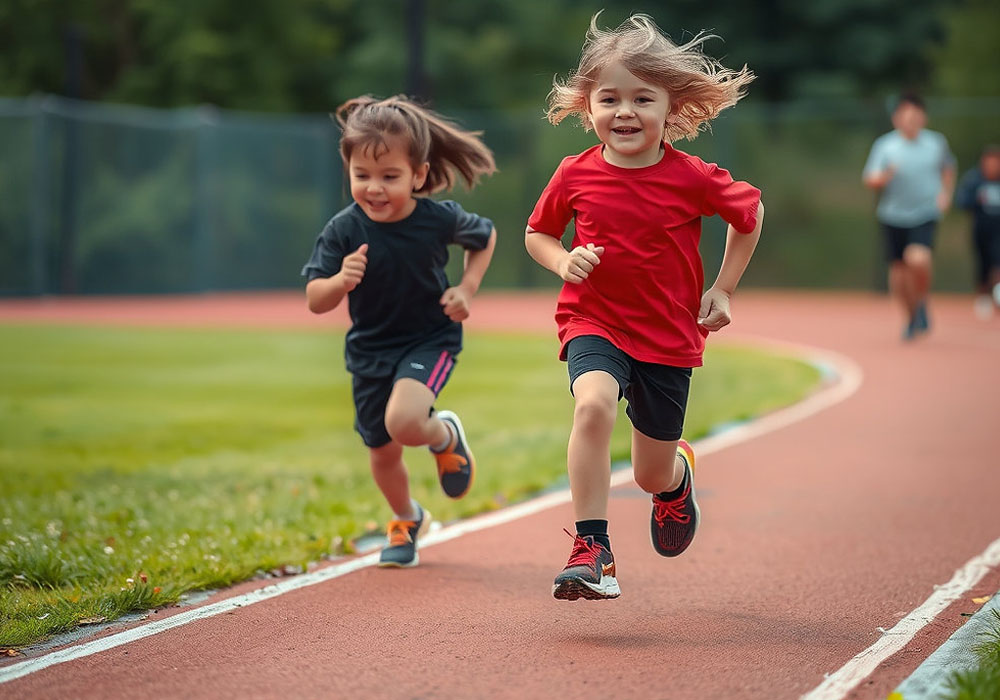
Active children put steady pressure on their feet during recess, practice, school days, and weekend play. Running footwear needs a soft underfoot feel that supports quick steps, small jumps, and sudden stops. Proper cushioning helps children stay comfortable while their feet handle repeated contact with the ground.
When shopping for kids running shoes, usually look at size, fit, and style first. Cushioning deserves the same attention because it affects comfort during every active part of a child’s day. A well-cushioned midsole can support smoother steps, better shock absorption, and easier movement during daily activity.
Cushioning Helps Reduce Impact Stress
Children’s feet meet hard floors, sidewalks, gym surfaces, and playground areas throughout the day. Each step creates impact that travels through the heel, arch, ankle, and lower leg. Cushioning helps soften that contact and gives young feet a steadier base during movement.
A cushioned midsole can help reduce harsh pressure during running drills and active games. This matters because children may not always notice foot strain until discomfort starts later. Reliable cushioning keeps the shoe comfortable during short bursts, long walks, and repeated sprints.
Support For Growing Feet
Children’s feet change as they grow, so running footwear needs comfort that works with natural movement. Soft cushioning supports the foot without making the shoe feel heavy or stiff. This helps children move through school, sports, and play with a secure underfoot feel.
Proper cushioning also helps protect the heel area during active steps. A young runner may land with different pressure points during quick turns or uneven strides. A supportive midsole helps spread that pressure across the foot in a smoother way.
Why Balanced Cushioning Matters
Balanced cushioning gives children comfort without taking away ground feel. A shoe that feels too flat may create early soreness during active use. A shoe that feels too bulky may affect quick steps and natural foot control.
The best cushioning for children should feel soft, stable, and flexible. It should support active movement without making each step feel slow. This balance helps children stay comfortable during both athletic use and everyday wear.
Better Comfort During Daily Activities
Running shoes for kids sometimes move from school hallways to gym class and outdoor play. A cushioned sole helps the shoe feel comfortable across these different parts of the day. This steady comfort can help reduce complaints about tired feet after long active hours.
Children need footwear that can handle fast movement and casual use. Cushioning supports the foot during running, walking, and standing on firm surfaces. A comfortable shoe can make daily activities feel easier and less distracting.
Cushioning Works Together With Other Features
Cushioning performs best when the shoe has a supportive design around it. Breathable uppers, flexible soles, secure heel areas, and grippy outsoles all help the foot stay comfortable. These features work with the midsole to support active children through different movements.
Before choosing a pair, parents can look for the features that support cushioning during real use.
- Responsive midsoles that soften repeated impact
- Lightweight materials that help reduce foot fatigue
- Breathable uppers that support airflow during active hours
- Flexible soles that allow natural foot movement
- Durable outsoles that help maintain grip on common surfaces
Features That Improve Overall Comfort
A cushioned shoe should feel comfortable from the heel to the front of the foot. The upper should hold the foot without tight pressure across the toes. The outsole should provide traction for school floors, sidewalks, playgrounds, and light athletic surfaces.
Fit also affects how cushioning performs during movement. A shoe that slides at the heel can reduce stability, even when the midsole feels soft. A secure fit helps children get the full comfort benefit from the cushioning system.
Cushioning Supports Different Types Of Activity
Children do not use running footwear for one single activity. They may run during recess, walk between classes, join gym lessons, and play outdoors after school. Cushioning helps the same pair support different movement needs throughout the day.
A dependable pair of kids running shoes can help active children stay comfortable during both short runs and regular daily wear. Responsive foam can make each step feel smoother while still allowing flexible motion. This matters for children who need footwear that supports activity without feeling rigid.
Signs That Cushioning Deserves Attention
Parents can check cushioning when a child’s shoes begin to look worn or feel flat. A compressed midsole may no longer provide the same soft landing during movement. Visible creases, uneven sole wear, and frequent foot complaints can point to reduced support.
Before the next pair, these signs can help guide a practical decision.
- The midsole feels firm or flattened
- The child mentions sore heels or tired feet
- The outsole shows uneven wear patterns
- The shoe bends too easily in the middle
- The child has outgrown the current size
Proper Replacement Supports Comfort
Children can outgrow footwear before the shoe looks fully worn. A tight shoe can reduce comfort, even when the cushioning still feels soft. Regular fit checks help parents know when size, support, or cushioning needs attention.
Replacement also matters when the shoe has lost its original shape. A worn midsole may stop giving steady support during running or play. Fresh cushioning helps restore comfort for active days and repeated movement.
Shop For Running Footwear With Reliable Support
A well-stocked footwear shop makes it easier to find everyday running shoes for kids with proper cushioning, flexible soles, secure fits, and dependable traction for active children. Activity-ready options help support school routines, sports, playground time, and everyday movement. A strong selection also helps parents choose shoes that match growing feet and long-term comfort needs.
Comfortable cushioning plays an important role in supporting active children throughout their daily routines. Thoughtful footwear choices can help protect growing feet while promoting healthy movement habits. Paying attention to support, fit, and cushioning helps children enjoy school activities, sports, and everyday play with greater comfort.