Family stories have a way of disappearing quietly. A name is remembered, a wedding is mentioned, a funny habit gets repeated at holidays – and then, over time, the details fade. That is why biographies and wedding photo albums matter so much. They do more than store information. They help keep the emotional shape of a family alive.
If you have ever wished you knew more about where your family came from, or wanted future generations to understand the people behind the names, you are not alone. The good news is that preserving family history does not require a museum or an archive. It can begin with a thoughtful biography and a beautiful photo album.
Why Family Stories Matter More Than We Realize
A family story is often the only place where everyday lives become meaningful history. Birth dates and marriage records tell you what happened, but biographies explain who someone was.
They give context to the traditions, values, and decisions that shaped a family over time.
This matters because families are not built on facts alone. They are built on personality, memory, and emotion. When those pieces are preserved, younger generations do not just learn about relatives – they begin to feel connected to them.
The Role of Biographies in Preserving Family History
A family biography is more than a summary of dates and achievements. It is a narrative that brings a person’s life into focus. Even a short biography can capture the essence of someone’s character, their challenges, and the choices that influenced later generations.
What Makes a Good Family Biography
The strongest family biographies are usually the ones that feel human and specific. Instead of trying to sound grand, they focus on real details. A childhood memory, a favorite saying, a difficult move, or a small act of courage can tell you far more than a polished outline ever could.
A useful biography often includes:
- Basic life details such as birth, marriage, children, and major life events
- Personal traits or habits that people remember
- Family traditions, values, or beliefs
- Career highlights or community involvement
- Quotes, letters, or memories from relatives
These details turn a life story into something future generations can actually picture.
How to Write a Biography That Feels Personal
The best approach is to start with what you know and build outward. Speak with older relatives, review family letters, and look through old records or diaries. If you are writing about someone close to you, think about the moments others would remember if they were telling the story at a family gathering.
Keep the language simple and honest. You do not need to make every person sound exceptional. What matters is truth. A biography becomes powerful when it reflects real life, including the ordinary parts that reveal character.
Why Wedding Photo Albums Hold Special Meaning
Wedding photo albums are often the most treasured visual records a family owns. A wedding marks the point where two family histories begin to overlap. That is why albums from this day often become heirlooms passed from one generation to the next.
Unlike loose digital images, a printed album creates a complete story. It shows the setting, the emotions, the people, and the sequence of the day in a way that feels lasting. If you want to create a meaningful archive of a wedding, professionally designed wedding photo albums can help turn scattered images into something that feels like a finished family record.
More Than Just Pretty Pictures
A good wedding album does more than display the couple. It preserves the atmosphere of the whole event. The nervous waiting before the ceremony, the expressions during vows, the laughter at the reception – these small moments often become just as important as the formal portraits.
Years later, those details can tell descendants what the day felt like, not just what it looked like.
That emotional memory is often what makes the album so valuable.
How Biographies and Wedding Albums Work Together
Biographies and wedding photo albums serve different purposes, but together they create a fuller family archive. The biography explains the person. The album shows the moment. One gives context, and the other gives image.
For example, a biography might explain how a couple met, what their early years were like, or how their marriage changed their family’s direction. The wedding album then provides the visual record of that turning point. Together, they tell a richer and more complete story than either format could alone.
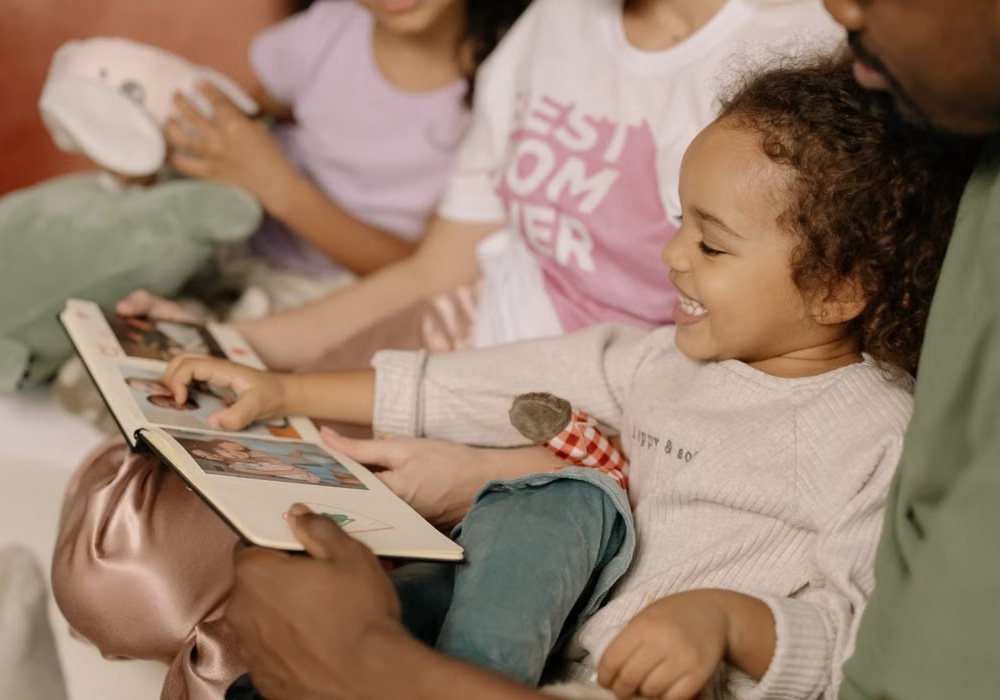
This combination is especially useful when you are preserving family history for children or grandchildren. They can read about a relative’s life and then see the faces, clothing, and surroundings that shaped that era. That connection makes history feel personal instead of distant.
Practical Ways to Preserve Family Stories Well
Preserving family stories works best when you treat it as an ongoing habit rather than a one-time task. Families change, memories fade, and photos get scattered. The earlier you organize them, the easier they are to protect.
Here are a few simple ways to begin:
- Record interviews with parents, grandparents, or older relatives
- Save copies of handwritten notes, letters, and documents
- Write short biographies before memory becomes too blurry
- Organize wedding photos and label the people in them
- Keep printed albums in a safe, dry place
- Back up digital files so they are not lost to one device failure
The important thing is consistency. Even small steps can make a big difference over time.
Making Family History Feel Current, Not Old
One common mistake is treating family history like something dusty and finished. In reality, it should feel alive. A biography can be updated as new information appears. A wedding album can be shared during anniversaries, reunions, and milestone celebrations, keeping the story active across generations.
You can also encourage family members to add their own perspective. A child may remember a grandparent differently than a sibling does. Those small differences do not weaken the story – they make it stronger and more complete.
Conclusion: Start Preserving the Stories That Matter
Family stories do not stay preserved by accident. They survive when someone decides they are worth saving. Biographies give voice to the people behind the names, and wedding photo albums capture the moments when family history takes a new shape.
If you want to protect your family’s legacy, start with one story, one album, or one conversation.
Write it down, label it clearly, and share it with someone who will care. That simple act may become one of the most meaningful gifts you can pass on.