Why Portable Solar Matters in the Field
Confidence is power. You can navigate at night, filter water, film memories, and call for help if the sky turns when you bring your own electricity into the bush. Portable solar generates electricity softly without fuel or fumes. It normalizes long travels from a countdown to zero to generation and use.
For outdoor travelers, the value is simple. Your devices become tools, not liabilities. Your itinerary is no longer tethered to outlets. And your impact on the places you love shrinks with every watt you catch from the sun.
How Portable Systems Work in Practice
A portable solar setup usually has three parts:
- The panel, which converts sunlight into DC power.
- A charge controller, which regulates voltage to charge a battery safely.
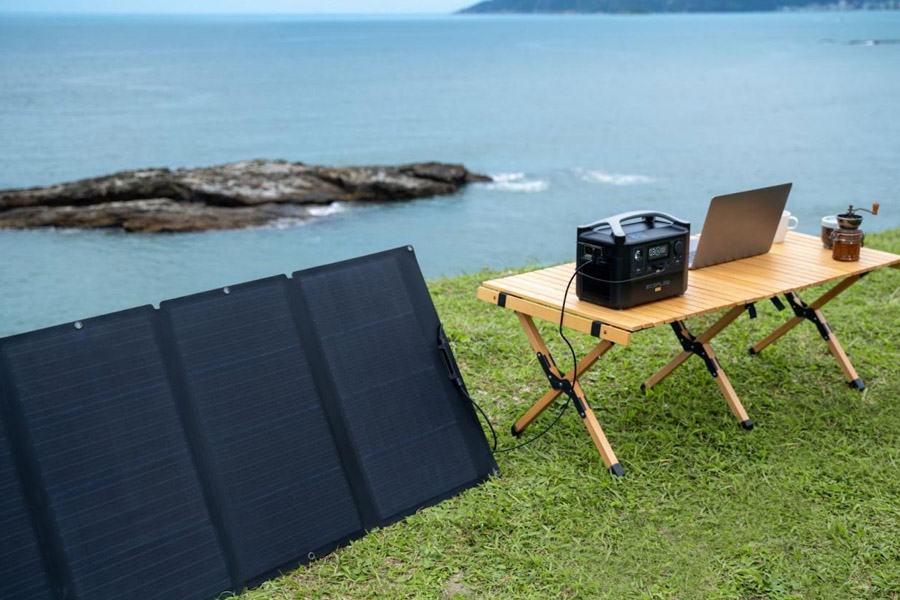
- Storage, typically a power bank or a compact power station with built-in inverter and ports.
Some kits combine them. Folding panels can plug directly into power stations with charge controllers. Some small panels can charge items via USB. Simple workflow: put panel in sun, feed storage during brightest hours, run devices off battery when needed. Consider the panel a fishing net and the battery a refrigerator. Energy is netted during the day and used afterward.
Planning Your Backcountry Energy Budget
Guesswork is how people end up with dead batteries. A quick budget avoids surprises.
- List your devices and daily use:
- Smartphone: 12 Wh per full charge
- Headlamp: 4 Wh per night
- GPS or inReach: 6 to 10 Wh per day
- Camera batteries: 8 Wh each
- Add them up. Example: phone 12 + headlamp 4 + GPS 8 = 24 Wh per day.
- Consider panel yield. A 20 W panel in clear sun for 4 good hours might yield 50 to 70 Wh to storage, depending on angle, temperature, and controller efficiency. Multiply panel wattage by peak sun hours, then discount by 30 to 40 percent for real-world losses.
- Size storage to two days of use so you have a cushion. If you use 24 Wh per day, carry 50 Wh or more in a power bank.
This math steers your choices. If you only need to keep a phone topped up, a 10 to 20 W panel with a 10,000 mAh bank is plenty. If you run cameras, drones, or laptops, step up to 60 to 120 W panels and a 300 to 700 Wh power station.
Panel Types and What They Excel At
Not all panels are born for the same mission. Materials and construction shape performance:
- Monocrystalline folding panels: High efficiency, sturdy, best all-around for hikers and car campers. They like full sun and careful angling.
- Flexible thin-film panels: Lightweight and conformable. Better in partial shading and high heat, but usually lower peak efficiency. Great for mounting on curved surfaces like kayak decks or tent flies.
- Rigid glass panels: Durable and efficient. Best for vehicle-based or basecamp setups where weight is less important.
If you hike long days, a small folding panel with good USB output saves weight. If you basecamp for a week, a larger folding briefcase panel feeding a power station will feel luxurious.
Batteries and Power Stations
Storage is your buffer against clouds and night. Chemistry matters.
- Li-ion power banks: Light, common, affordable. Good for phones and headlamps.
- LiFePO4 power stations: Heavier per watt-hour but longer cycle life and better safety. Ideal for repeated daily charge-discharge cycles on longer trips.
Look for:
- Capacity stated in watt-hours, not just milliamp-hours. Wh tells you the real work it can do.
- A charge controller that supports higher panel voltages safely.
- Pass-through charging if you want to run devices while charging the battery.
- An inverter only if you must power AC devices. AC converts DC to AC then back to DC in many devices, so you lose efficiency. If your gear accepts DC or USB PD, skip the inverter and save energy.
Charging Standards and Device Compatibility
Ports and protocols matter more than most people realize.
- USB-A at 5 V is fine for small devices but slow.
- USB PD and PPS can push 18 to 100 W through USB-C. This powers modern phones, tablets, and some laptops directly. Pair USB PD panels or power stations with PD cables for speed.
- 12 V barrel or cigarette ports handle routers, some lights, and small coolers.
- Anderson and XT60 connectors are common on higher output gear. They lock securely and minimize resistance.
Check your device’s charging needs. A mirrorless camera might accept USB PD. If not, carry a DC coupler or extra batteries. Some drones can charge from USB PD at 60 to 100 W with the right adapter.
Setup Tactics for Maximum Yield
Good setup multiplies your panel’s real output.
- Aim at the sun. Angle the panel so it faces the light directly. Re-aim every hour if practical.
- Avoid partial shade. One shadow across a cell can tank output. Spread panels so branches and straps do not cast stripes.
- Keep it cool. Heat reduces efficiency. Airflow under the panel helps. Avoid laying panels directly onto black car hoods or rocks.
- Clean the surface. Dust and salt film cut watts. Wipe with a soft cloth.
- Daisy-chain when needed. Parallel connections increase current at the same voltage for faster charging. Use proper cables and observe controller limits.
Treat it like a sail. Trim the angle and you move faster.
Weather, Altitude, and Seasonal Factors
- Altitude: Thinner air means slightly more irradiance. High mountains can boost output under clear skies.
- Cold: Panels like cool temperatures, but batteries dislike cold. Keep power banks insulated and warm.
- Heat: Panels get less efficient as they bake. Shade your battery, not your panel.
- Clouds: Diffuse light still delivers energy. Expect 10 to 40 percent of full-sun output depending on cloud thickness.
- Winter sun: Lower arc means shorter peak windows. Angle panels more steeply and chase light aggressively.
Safety, Care, and Longevity
- Cables: Avoid strain on connectors. Loose or frayed leads waste power and can spark.
- Water: Many panels are rain resistant, but ports rarely are. Use dry bags and gaskets. Do not charge lithium gear while it is wet.
- Storage: Partially charge batteries to about 50 to 70 percent for long storage. Store cool and dry.
- Transport: Pad corners. Avoid bending folding panels backward. Flexible panels can crease if mishandled.
- Firmware and electronics: Some power stations throttle output at low temperatures or if fans are blocked. Know your device’s behavior before you leave home.
Field Stories and Use Cases
- Ultralight trek: A solo hiker carried a 15 W panel and a 10,000 mAh bank on a seven day traverse. By prioritizing phone GPS only at checkpoints and topping up the bank at lunch, he arrived each camp with a charged headlamp and enough phone battery to read maps and message home.
- Basecamp film shoot: A small team set a 200 W folding array and a 500 Wh LiFePO4 station at a remote climbing base. They charged drone batteries, camera packs, and a laptop daily, while running LED panels each evening for interviews. The setup fit in one duffel and replaced a noisy generator.
- Kayak fishing: Two flexible panels on the deck fed a waterproof 20,000 mAh bank. A small aerator, fishfinder, and phone stayed powered across a three day trip, with the bank nestled inside a dry hatch.
Common Myths
- Myth: Portable panels are too slow to be useful.
Reality: Paired with a correctly sized battery and good sun management, even modest panels can keep essentials powered for weeks. - Myth: You must use AC for everything.
Reality: DC to DC is more efficient. USB PD often charges laptops and cameras directly. - Myth: Flexible panels are fragile.
Reality: Quality thin-film products handle bending and vibration well and excel in certain placements. They trade peak efficiency for versatility. - Myth: Solar does not work in winter.
Reality: Shorter days and low sun angles reduce output, but cold temperatures help panel efficiency. With better angling and realistic loads, winter charging remains viable.
FAQ
How big a panel do I need for a weekend trip with a phone and headlamp?
For light use, a 10 to 20 W panel paired with a 10,000 to 20,000 mAh power bank is typically enough. Charge the bank during midday and top devices from the bank in the evening. If you use GPS or shoot lots of photos, step up to 20 to 40 W.
What is the difference between charging directly from a panel versus through a battery?
Direct charging relies on stable sunlight. Passing clouds can reset charging on some devices or cause trickle behavior. Charging a battery first smooths the output. The battery then delivers consistent power to devices whenever you need it.
Are solar generators different from power stations?
Solar generator is a marketing term for a power station used with a panel. The core is a battery with built-in electronics and ports. Panels convert sunlight, the station stores it, and devices draw it. Choose based on capacity, port types, and charge controller capability.
Can I charge a laptop from solar without using an inverter?
Often yes. Many modern laptops accept USB PD through USB-C at 45 to 100 W. If your laptop supports this, use a panel or power station with PD output. You will save energy and weight. If your laptop only accepts a barrel plug or proprietary port, use a compatible DC adapter.
What is MPPT and do I need it?
MPPT stands for maximum power point tracking. An MPPT charge controller adjusts voltage and current to extract more power from the panel as light and temperature change. In variable conditions, MPPT can deliver significant gains over simpler controllers. It is valuable for larger panels or when every watt counts.
How do I protect batteries in cold weather?
Keep batteries in an inner pocket while hiking and near you in camp. Insulate them at night. Some devices will refuse to charge below certain temperatures to prevent damage. Warm them slightly before charging. Never try to charge a deeply cold lithium battery.
Is it safe to leave panels out while I am away from camp?
Panels can handle sun and light rain, but wind and theft are concerns. Anchor panels with guy lines or sandbags. Avoid leaving them up during storms or when high winds could flip them. Unplug from batteries if lightning is nearby.
How long do portable panels and power stations last?
Clean and impact-protected panels can produce output for years. Power station lifespans depend on chemistry and use. LiFePO4 can last thousands of cycles, while Li-ion packs may last hundreds. Without excessive temperatures, they will withstand many travels if handled properly.
Will solar work under tree cover or in canyons?
Expect reduced output. Diffuse light provides a fraction of peak power. Use sun breaks, move your panel often, and charge whenever you find clear sky. Larger panels or lighter power demands improve reliability in shaded environments.
Can I run a portable fridge or CPAP from a small setup?
Some compact fridges and CPAP units are efficient enough, but they demand planning. Measure or estimate daily watt-hours, then size your panel and battery to cover that use plus a buffer. For medical devices, build in redundancy and test the system at home before relying on it in the field.