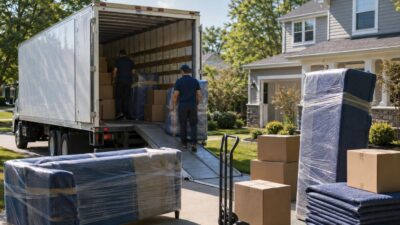
On moving day, you receive keys, boxes, and a long to-do list. But you also get a house where the old keys may yet be found in a contractor’s truck, a cleaner’s closet, or a neighbor’s key tray. The single most serious safety oversight of all homebuyers is seeing “locks” as “someone else’s problem that’s already been taken care of”. They are not. Technically, until you replace them, the new front door is also everyone else’s front door.
Rekey Or Replace Every Exterior Lock Before Your First Night
This is the one task that shouldn’t wait until “sometime this week.” Previous owners often hand over two or three keys at closing, but that rarely accounts for every copy that’s been made over the years. Real estate agents, house cleaners, dog walkers, tradespeople, and even a friendly neighbor who used to water the plants could all have a working key to your home right now.
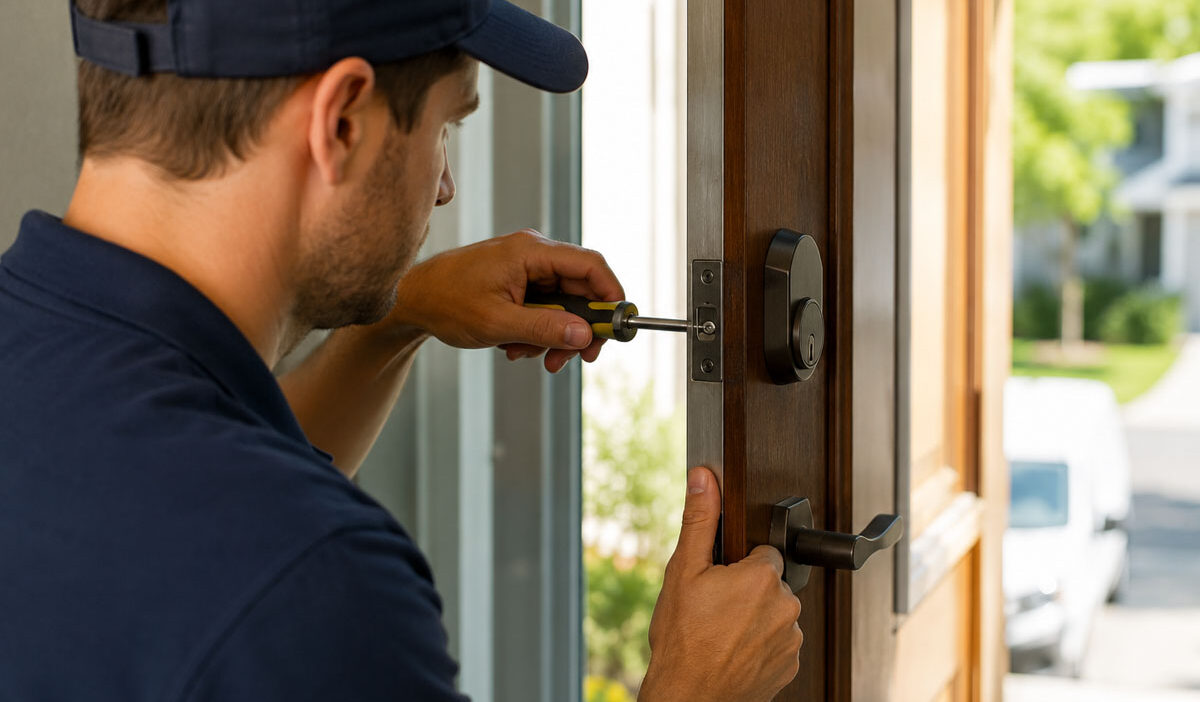
Rekeying swaps the internal pins of your existing locks so old keys stop working, without replacing the whole lock body. It’s faster and cheaper than full replacement, and it works fine if your current deadbolts are decent quality. If they’re not, or if you just want a fresh start with better hardware, replacement is worth the extra cost.
Either way, this isn’t a job to put off until the weekend. If you’re not confident doing it yourself, get a professional in before you unpack a single box. Searching for a locksmith perth locals actually recommend, means you get every exterior lock rekeyed or swapped out in an afternoon, often before the moving truck has even left. That single visit closes the biggest gap in your home’s security on day one instead of week three.
Secure The Two Doors Burglars Actually Use First
It’s not worth giving all entry points the same level of attention initially. A study conducted at the University of North Carolina, Charlotte, interviewed 422 burglars and revealed that 34% entered through the front door and 29% through a ground-floor window. That equals more than 60% of break-ins using only two entryways.
So focus on the front door and those ground floor windows. Get yourself a deadbolt if you don’t already have one – not just a flimsy lock inside the handle. Make sure those windows have an actual locking mechanism, not just the plastic latch that your windows came with. There are eight other things you should worry about, but if you only have time and money to fix two of them, let it be these two.
Check The Frame and Hardware, Not Just The Lock
Installing a new deadbolt may not have much impact if it is attached to a flimsy doorframe. A single forceful kick can dislodge a factory standard size strike plate screwed in with a short screw, and even the best lock won’t hold the door closed. Substitute the standard strike plate with a heavy-duty model and use long screws that can penetrate the wall stud behind the frame, not just the trim. In resisting forced entry, this is a ten-minute job that truly helps.
Take a look at the hinges as long as you’re at it. Exterior doors that swing out usually have exposed hinge pins, and anyone can knock the pins out and lift the door from the frame without even touching the lock if they recognize what they’re doing. Substitute the exposed pins with non-removable versions or set up security studs on the hinge side if the door configuration accommodates it.
The door’s slab counts in your defense as well. Hollow-core doors might appear elegant but they deliver no resistance to a forceful kick. The work is worth it if you reside in a break-in hotspot or if your front and back doors are hollow-core doors. Upgrade to solid-core doors before you could claim the safety work is finalized.
When moving into a new property, addressing overall home protection should be a top priority alongside handling logistics. Upgrading internal barriers and entryways helps improve security while offering peace of mind. Installing certified fire safety doors from Deanta can add an essential layer of safety and structural resistance, ensuring your home remains secure against unexpected hazards from day one.
Don’t Stop At The Front and Back Doors
Burglars will target the easiest point of entry, which is usually not the door with the most security features you paid for. For example, sliding glass doors are left unlocked most of the time and the factory lock on several slider doors is just a flimsy latch that can easily be jiggled loose or popped. Install a secondary track lock, or drop a piece of dowel into the track. Entry denied.
Another favorite target is the door connecting the garage to the house; when that door is unlocked, burglars can break into the garage, close the main door behind them, and work comfortably to break straight into the house from there. If your home came from a developer, the garage-to-house door likely has the same cheap, builder-grade lock on it, since specialty locks that actually work on that door are a complete afterthought.
Lock pet doors at night; a burglar can climb through even a smallish doggy door, or reach in and unlock a nearby door. If you have one, and it’s big enough for a toddler, make sure you can secure it and consider turning it into a little-used exit that you lock during the night.
Lock Down The Windows and Glass
Ground-floor windows, particularly in the back of the house, are always going to be a weak spot; this is where we’d prioritize stronger locks and security film, and you should consider something physical as well to block access if a window is broken, like a security grille. A tilted window pin lock and security film combo is relatively inexpensive but does a lot to make things difficult. Windows with a clear view of the house are a great target for security film; if someone is going to try to break a window right under a floodlight with a line of sight from the house, they’re not going to want it to take six strikes to get through.
Make The House Look Occupied and Watched From Day One
A house that appears to be unoccupied, with stacks of boxes and no indications of an alarm system, seems like an easy target. The goal is to give the opposite impression even before you’ve fully settled in.
Motion-sensor lights that cover entryways are a cheap, simple, and really effective security feature, given that most burglars don’t like to be illuminated right as they’re entering the premises. A doorbell camera is both a deterrent and potential evidence, and the camera part alone scares off a lot of burglars of the jerk-the-doorknob variety. An alarm system, even a basic self-monitored system, combines well with the kind of simple sign that lets people know they’re there, and that’s enough to make someone scoping out the easiest marks look elsewhere. None of this has to cost a fortune to get up and running. It just has to be happening and visible before you’re sleeping in the house for the first time.
A peephole or door viewer is an especially important bit of gear in a new neighborhood, where you don’t know people’s faces or who might be a legitimate knocker.
Securing property during a relocation involves more than managing logistics or hiring movers. Evaluating entry points and setting up adequate physical protection helps keep your new space safe from potential intrusions from day one. Consulting resources like http://nexussecurityfirm.com/ can assist in determining appropriate monitoring or access solutions tailored to your property. Taking proactive steps early simplifies the transition while offering peace of mind.
Deal With Anything Smart The Previous Owner Left Behind
If your new home already has some kind of smart lock, video doorbell, or connected security system in place, consider it a pleasant demo of what your life could be like. Then reset the device to factory settings, and create and sign into your account or accounts on it right away. The previous homeowner probably didn’t erase their access – they might not even know they still have access! This also gives you a chance to name and customize the device in a way that makes it clear it’s yours now.
Build The Habits That Keep It All Working
Security equipment is effective only when you use it. Form the habit of closing any entrance all the time and this includes the garage-to-house entrance which is easy to overlook because it seems like it is already part of your protected world. Likewise, arm the alarm for short trips outside, not just for the night.
Completely avoid hiding a spare key under the doormat. Thieves systematically look for those first: doormat, fake rocks, pots placed near the entrance. If you need a spare key available and not on you, hand over a copy to a trustworthy neighbor or use a combination lockbox that is securely installed in a hidden spot.
Take pictures of your valuable items and save a written list of content with serial numbers where appropriate. This won’t stop a theft but if an intrusion occurs, an insurance claim will be easier and less painful to make. While you’re at the coverage review also find out if your home insurance requires a specific lock grade or provides a discount for upgrades you’ve just made. Many policies do require this and here’s a simple way to have some of that security outflow return to you.
Right after you move in is a very risky time since you are more exposed than you will ever be in the future. If you take care of the locks, the doors, the windows, and all the obvious defences during the first week then you are turning a new property with new unknown keys to your property protected by you from the very start.