Preventing water damage in your home helps to preserve its structure, your personal belongings, and interior and exterior finishes. Recognizing early signs such as leaks and dampness allows you to take timely corrective measures. With guidance from the Azure Sky Realty team, here are a few tips to prevent damage in your home:
Regular Home Inspections
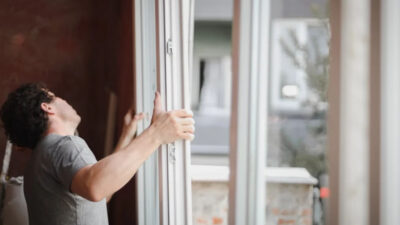
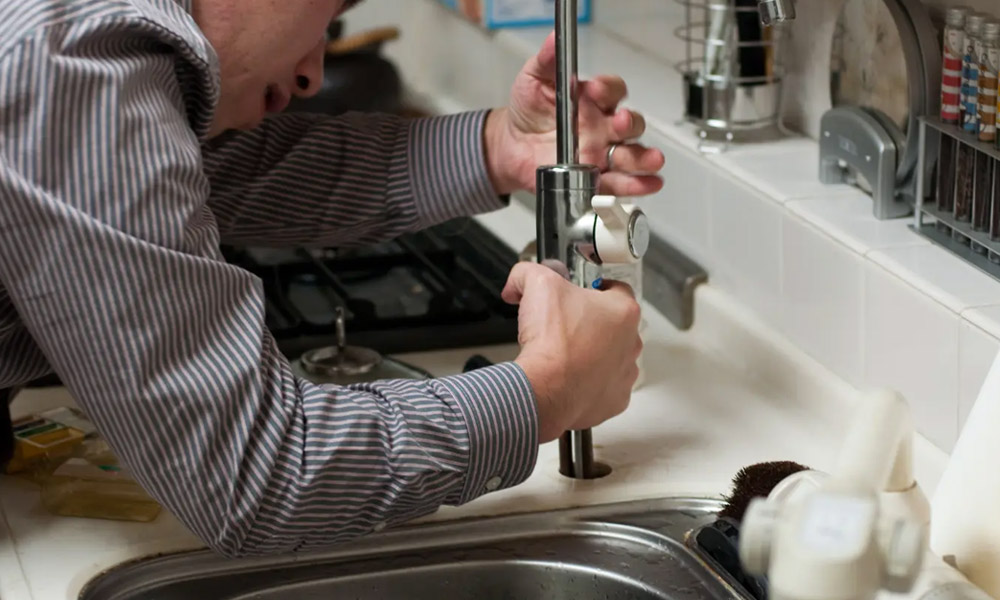
Regular inspections of key areas, such as the roof, drainage systems, and floor drains, help you catch issues before they escalate. For roofs, inspection involves checking for missing shingles and loose flashing. Damp smells also help you identify hidden leaks, allowing you to address them promptly. Homeowners also benefit from checking whether windows and doors have tight seals and checking for leaks from appliances.
A visual inspection for early signs of damage includes checking ceilings and walls for unusual discoloration or staining. These stains often appear as water rings, which can indicate the presence of moisture. The condition of the walls also serves as an indicator of moisture problems; bubbling, peeling, or cracking paint suggests there is excess moisture. In some cases, earthy or musty odors also signal a humid environment. Recognizing these warning signs allows you to contact a professional to investigate and address the issue before it worsens.
Professional technicians use advanced methods to detect moisture damage within walls. Moisture meters identify hidden damp areas by measuring water content in building materials, reducing uncertainty about the extent of damage. Thermal imaging provides a non-invasive way to locate moisture by capturing temperature variations associated with dampness, allowing technicians to pinpoint affected areas behind finished surfaces. Addressing hidden moisture protects building materials from gradual deterioration. Thorough detection limits water from spreading within the structure and supports long-term building stability. These diagnostic methods also help identify entry points and reduce the risk of future water intrusion.
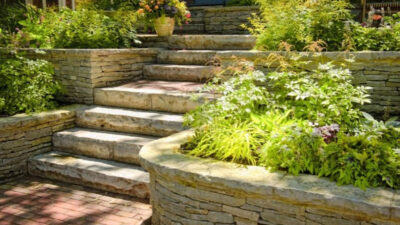
Proper outdoor water management plays a key role in protecting your foundation and surrounding structures from long-term moisture accumulation. When planning eco-friendly yard upgrades or drainage improvements, property owners can see the full details on professional water damage prevention and restoration strategies through Sarkinen Restoration. Keeping runoff directed safely away from the home supports both sustainable outdoor design and structural integrity.
Controlled Mold Growth
Controlling mold growth after storms or flooding reduces its spread, supports healthier indoor conditions, and protects your property. Professional technicians dry affected areas using a dehumidifier and high-capacity blowers to reduce moisture levels in building materials. Increased airflow across damp spaces supports faster drying and limits persistent damp conditions. Technicians also identify and repair points of water intrusion, reducing ongoing exposure that contributes to mold development.
Quick Damage Restoration
Engaging a professional restoration company to assess water damage helps limit long-term deterioration. Restoration technicians address issues such as roof leaks, burst pipes, and storm-related flooding. Repair technicians receive training in flood cleanup and mold-related remediation.
After flooding, pipe failures, or appliance malfunctions, technicians perform water extraction and dry affected areas to restore the property to its original condition. They use specialized equipment designed for moisture removal and structural drying. Prompt drying reduces the risk of deterioration that leads to additional extensive repairs, and rapid water removal also limits the spread of moisture through building materials.
Sewage Backup Remediation
Professionals reduce moisture damage by addressing sewage backups and completing repairs early in the process. These actions limit damage to structural components, walls, flooring, and contents such as carpets and furniture. Containment zones prevent contaminated water from spreading into unaffected areas. When materials are not salvageable, technicians remove porous building components and apply industrial-grade disinfectants to affected surfaces. They also use moisture-detection tools to locate hidden dampness within floors and walls.
Prevent Water Damage in Your Home
Protecting your home from damage requires regular inspections and a proper assessment of the effects of water intrusion from a storm, flood, or burst pipe. By removing all standing water and drying all structures, professionals restore your home to its pre-loss condition. Taking a proactive approach to water removal helps mitigate the effects of long-term decay and structural weakening. Partner with professional water removal specialists today.