
Essential Maternal Health Resources Across Trimesters and Beyond
Many expectant parents are familiar with pregnancy nausea. But for some, that queasy feeling doesn’t disappear after childbirth. If you’re experiencing nausea three months postpartum, you’re not alone. This can be a confusing and distressing symptom during a time when you’re already navigating so many changes.
We understand you might be wondering if this is normal and what could be causing it. In this guide, we’ll delve into why nausea might persist into your fourth trimester. We’ll explore potential causes, from hormonal shifts to underlying conditions, and discuss practical ways to find relief. We’ll also help you identify warning signs that warrant medical attention. For comprehensive and evidence-based pregnancy guidance, we always recommend consulting trusted resources. Our goal is to provide clarity and support as you navigate this unexpected challenge in your postpartum journey.
The journey through pregnancy and into the postpartum period is a remarkable transformation, encompassing profound physical, emotional, and hormonal shifts. While much attention is often given to the nine months of gestation, the “fourth trimester”—the first three months after birth—is equally crucial for recovery and adjustment. Navigating this period requires access to reliable information and support, spanning everything from trimester-specific care and prenatal nutrition to the ongoing clinical support needed for a healthy recovery. Understanding the typical timeline of maternal health milestones can help new parents anticipate changes and seek appropriate care.
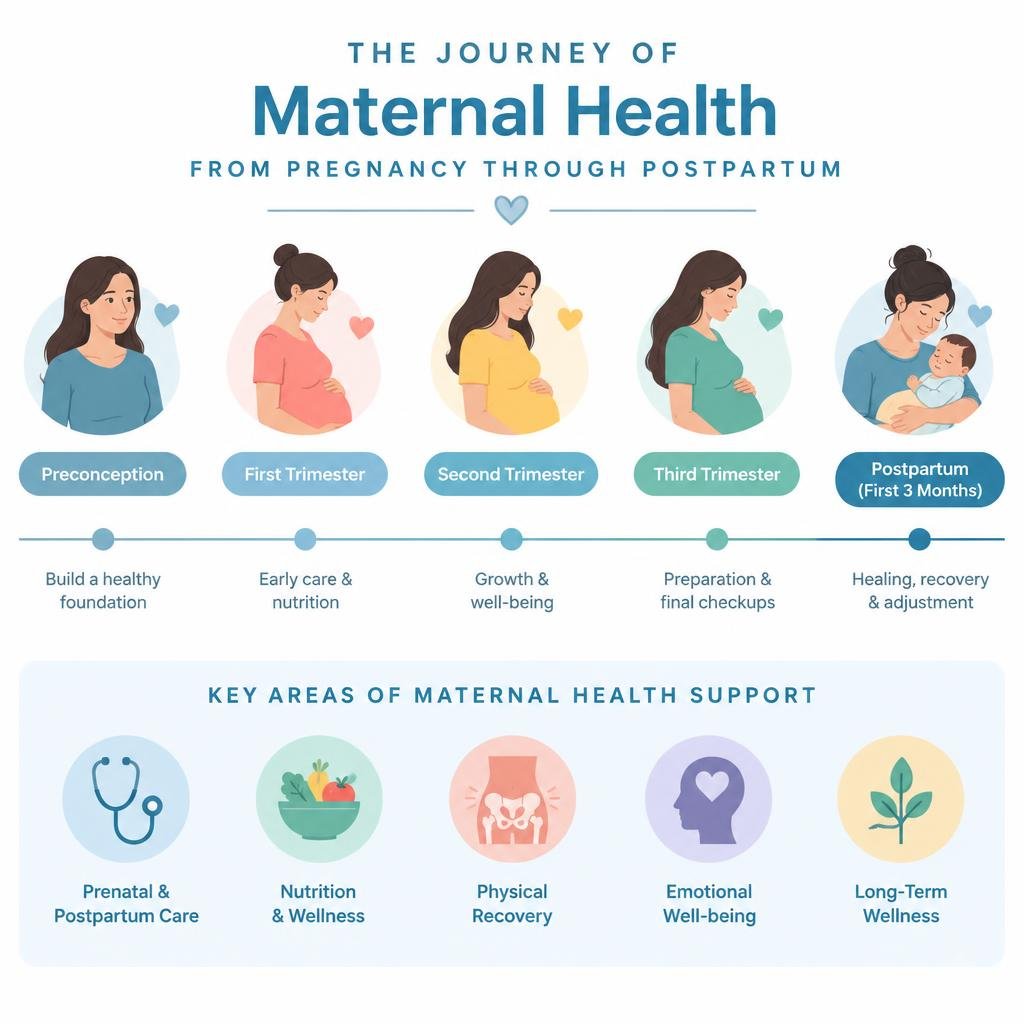
As we move through the various stages, our needs evolve, and so do the resources that can best support us. From managing the initial weeks of healing to addressing long-term wellness, a holistic approach to maternal health is paramount. Below, we outline key areas of support available to new parents.
Accessing Core Maternal Health Resources for Physical Recovery
Physical recovery after childbirth is a multifaceted process that extends well beyond the initial weeks. At three months postpartum, many parents are still experiencing significant changes and may benefit from targeted resources. Pelvic health, for instance, is a critical area often overlooked. Childbirth, whether vaginal or C-section, can impact the pelvic floor, leading to issues like incontinence or pain. Consulting a pelvic floor physical therapist can provide tailored exercises and strategies to strengthen these muscles and alleviate discomfort.
Diastasis recti, the separation of abdominal muscles, is another common concern. While it often improves naturally, persistent separation at three months postpartum may require specific exercises guided by a physical therapist to prevent long-term issues. Beyond specific physical ailments, foundational elements like sleep hygiene and nutrition planning remain vital. Prioritizing rest, even in short bursts, and maintaining a balanced, nutrient-dense diet are crucial for energy levels and overall healing. Many find that small, frequent meals are easier to manage and keep energy stable.
Connecting with Maternal Health Resources for Perinatal Mental Health
The emotional landscape of the postpartum period can be as challenging as the physical. Postpartum depression (PPD) and anxiety are common, affecting many new parents. These are treatable conditions, not signs of weakness. Screening for depression and anxiety is a routine part of postpartum care, and we encourage open communication with healthcare providers about any struggles.
Emotional wellness involves recognizing the signs of mood changes, seeking professional help when needed, and building a strong support network. Support groups, both in-person and online, offer a safe space to share experiences and connect with others facing similar challenges. Mental health care, including therapy and medication if appropriate, plays a crucial role in helping parents navigate the intense emotions and pressures of new parenthood. Prioritizing mental well-being is not just beneficial for the parent, but also for the entire family unit.
Trimester/Stage Common Symptoms & Recovery Milestones Key Support Areas First Trimester Nausea, fatigue, breast tenderness, hormonal surge Prenatal care, nutrition guidance, managing morning sickness Second Trimester Increased energy, “glowing” skin, fetal movement Anatomy scans, childbirth education, emotional well-being Third Trimester Braxton Hicks, swelling, discomfort, nesting instinct Birth planning, rest strategies, preparing for labor 0-6 Weeks Postpartum Uterine involution, lochia, C-section/perineal healing, initial breastfeeding Pain management, pelvic rest, lactation support, mood monitoring 6 Weeks – 3 Months Postpartum Hormonal rebalance, increased activity, establishing routines, potential return of menstruation Physical therapy, mental health screening, sleep hygiene, nutrition 3 Months+ Postpartum Continued healing, potential for persistent symptoms, long-term wellness planning Addressing lingering issues, lifestyle adjustments, community support Understanding Complex Symptoms: From Gestational Nausea to 3 Months Postpartum
Nausea is a symptom most commonly associated with early pregnancy, often dubbed “morning sickness.” However, for a significant number of individuals, that queasy feeling can linger or even return unexpectedly in later stages of pregnancy or well into the postpartum period. While third-trimester reflux or general fatigue can contribute to feeling unwell before birth, persistent nausea at three months postpartum can be particularly perplexing. This period, often considered the tail end of the “fourth trimester,” is typically when many physical symptoms are expected to subside. Yet, hormonal drops and the ongoing demands of new parenthood can sometimes keep the stomach unsettled.

It’s important to distinguish between occasional queasiness and persistent, impactful nausea. While some mild, intermittent nausea might be part of the body’s continued adjustment, daily or severe nausea at this stage warrants attention. We’ve observed that some mothers report daily nausea extending for several months after birth, sometimes even a year, highlighting the variability of postpartum recovery. Understanding the potential factors at play, from hormonal shifts to underlying health conditions, is the first step toward finding relief.
Dietary Modifications for Nausea Management:
- Eat small, frequent meals: Avoid an empty stomach or overly full sensation.
- Focus on bland foods: Crackers, toast, rice, bananas, applesauce, plain pasta.
- Stay hydrated: Sip water, clear broths, or ginger tea throughout the day.
- Avoid strong odors: Certain smells can trigger or worsen nausea.
- Limit fatty, spicy, and acidic foods: These can irritate the digestive system.
- Incorporate ginger: Ginger in various forms (tea, candies, fresh) is a well-known anti-nausea aid.
- Prioritize protein: Small, protein-rich snacks can help stabilize blood sugar.
Hormonal and Physiological Drivers of Postpartum Nausea
The postpartum period is a time of immense hormonal upheaval. After delivery, there’s a dramatic drop in estrogen and progesterone, hormones that were at peak levels during pregnancy. This rapid fluctuation can significantly impact various bodily functions, including digestion and overall well-being, potentially contributing to nausea. This hormonal reset is a primary suspect when we consider why nausea might persist.
Beyond these major hormonal shifts, other physiological factors can play a role. For breastfeeding mothers, the release of oxytocin, the hormone essential for milk letdown, can sometimes trigger a feeling of nausea. While oxytocin is crucial for milk flow and bonding, some individuals are more sensitive to its effects. Physical exhaustion, a universal experience for new parents, also contributes significantly. Sleep deprivation and the sheer physical demands of caring for a newborn can weaken the immune system, increase stress, and generally make the body more susceptible to feeling unwell, including nausea. The body is still recovering from the immense physical toll of pregnancy and childbirth, and this ongoing recovery process can manifest in various ways, including digestive discomfort.
Underlying Gastrointestinal and Endocrine Conditions
While hormonal changes and exhaustion are common culprits, persistent nausea at three months postpartum can sometimes signal an underlying condition that requires medical investigation. It’s crucial not to dismiss prolonged or severe symptoms, especially if they interfere with daily life or nutrition.
One significant area to consider is endocrine health. Postpartum thyroiditis, an inflammation of the thyroid gland that can occur after childbirth, affects approximately 5-10% of women. This condition can lead to periods of hyperthyroidism (overactive thyroid) followed by hypothyroidism (underactive thyroid), both of which can manifest with symptoms like nausea, fatigue, and mood changes. Subclinical hypothyroidism, a milder form of underactive thyroid, can also cause persistent queasiness. If your nausea aligns with other symptoms such as unexplained weight changes, hair loss, or extreme fatigue, it’s worth discussing thyroid testing with your healthcare provider.
Gastrointestinal issues are another common cause of chronic nausea. Conditions like celiac disease, an autoimmune disorder triggered by gluten, can present with persistent nausea, bloating, and digestive upset. We’ve seen anecdotal reports of mothers experiencing nausea for a year postpartum before receiving a celiac diagnosis. Other digestive concerns include:
- GERD (Gastroesophageal Reflux Disease): Acid reflux can cause chronic nausea, especially after meals or when lying down.
- Slowed Gastric Emptying (Gastroparesis): This condition, where the stomach takes too long to empty its contents, can cause nausea, vomiting, and bloating.
- SIBO (Small Intestinal Bacterial Overgrowth): An imbalance of bacteria in the small intestine can lead to chronic digestive symptoms, including nausea.
These conditions may not be directly related to the postpartum state but can be exacerbated by the physical and hormonal stress of childbirth and recovery. Therefore, if nausea persists and is not clearly linked to common postpartum factors, exploring these underlying medical conditions with a healthcare professional is a vital step.
When to Seek Care: Red Flags and Diagnostic Pathways
While some degree of nausea in the postpartum period can be part of the body’s adjustment, recognize when symptoms cross the line from uncomfortable to concerning. Persistent or severe nausea, especially when accompanied by other symptoms, should always prompt a conversation with a healthcare provider. Our priority is ensuring your well-being and ruling out any serious complications. We encourage new parents to trust their instincts and seek medical advice if they feel something isn’t right.
A key step in managing persistent nausea is symptom journaling. Tracking when nausea occurs, what makes it better or worse, and any accompanying symptoms can provide invaluable information for your doctor. This detailed record can help identify patterns or triggers that might otherwise be missed. If initial evaluations don’t yield clear answers, don’t hesitate to seek a second opinion or ask for referrals to specialists. Your health journey is unique, and sometimes a multidisciplinary approach is needed to uncover the root cause.
Warning Signs Requiring Immediate Medical Attention
Certain symptoms, when present alongside nausea, indicate a need for immediate medical evaluation. These are red flags that could signify a more serious underlying issue or complication that requires urgent care. If you experience any of the following, contact your healthcare provider or seek emergency medical attention without delay:
- Persistent Vomiting: Especially if it prevents you from keeping down fluids or food, leading to dehydration. Signs of dehydration include decreased urination, dry mouth, extreme thirst, and dizziness.
- Severe Abdominal Pain: Sharp, localized, or unrelenting pain in the abdomen, which could indicate issues like gallbladder inflammation, an ulcer, or other gastrointestinal emergencies.
- High Fever (100.4°F or 38°C or higher) or Chills: These are classic signs of infection, which can occur postpartum in various forms (e.g., uterine infection, mastitis, kidney infection).
- Vision Changes: Blurred vision, flashing lights, or spots, which can be associated with serious conditions like preeclampsia (even postpartum) or other neurological issues.
- Severe Headache: A headache that is unusually intense, sudden, or doesn’t improve with typical pain relief, particularly if accompanied by vision changes.
- Chest Pain or Rapid Heartbeat: These cardiovascular symptoms warrant immediate investigation.
- Shortness of Breath or Trouble Breathing: Any difficulty breathing is a medical emergency.
- Swelling of Hands or Face: Excessive or sudden swelling, especially if accompanied by high blood pressure, can be a sign of postpartum preeclampsia.
- Thoughts of Self-Harm or Harming Your Baby: In addition to physical nausea, severe mental health concerns require immediate professional intervention.
Recommended Diagnostic Tests and Specialist Referrals
When nausea persists at three months postpartum and common causes have been ruled out, your healthcare provider may recommend a series of diagnostic tests or refer you to specialists. These steps are crucial for a thorough investigation into potential underlying conditions.
Common diagnostic pathways include:
- Thyroid Panel: Blood tests to check thyroid-stimulating hormone (TSH), T3, and T4 levels can help diagnose postpartum thyroiditis or subclinical hypothyroidism.
- Celiac Screening: Blood tests for celiac antibodies (e.g., tissue transglutaminase IgA) can screen for celiac disease, especially if there’s a family history or other digestive symptoms.
- Gastroenterology Consultation: If digestive issues like GERD, SIBO, or slowed gastric emptying are suspected, a gastroenterologist can perform specialized tests such as endoscopy, breath tests, or gastric emptying studies.
- Pelvic Physical Therapy: For nausea potentially linked to pelvic floor dysfunction or severe diastasis recti causing pressure on internal organs, a pelvic physical therapist can provide assessment and targeted treatment.
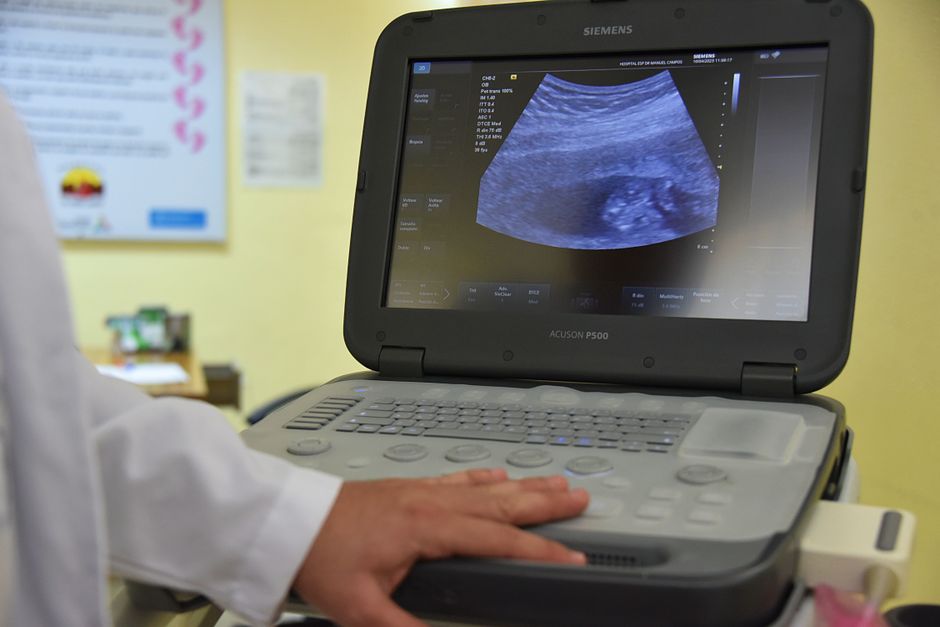
- Ultrasound Imaging: An abdominal ultrasound might be ordered to evaluate organs like the gallbladder, liver, and pancreas if there’s suspicion of issues in these areas.
- Complete Blood Count (CBC) and Metabolic Panel: These basic blood tests can check for anemia, infection, and electrolyte imbalances, which can contribute to or worsen nausea.
In cases where no clear cause is found, a multidisciplinary approach involving various specialists can be beneficial. It’s important to advocate for yourself, track your symptoms diligently, and communicate openly with your medical team until you find answers and relief.
Frequently Asked Questions About Maternal Recovery and Symptoms
The postpartum period is rife with questions, especially when unexpected symptoms like persistent nausea arise. We aim to address some of the most common concerns new parents have about their recovery and symptoms at three months postpartum.
Is it normal to experience persistent nausea at 3 months postpartum?
While some mild, intermittent nausea can be part of the body’s ongoing adjustment during the fourth trimester, daily or severe nausea at three months postpartum is not typically considered “normal” in the sense of being a universally expected symptom. Early postpartum nausea (first few weeks) is more common due to dramatic hormonal shifts and physical recovery. However, persistent nausea extending to three months or beyond suggests that something else might be at play.
The body is still undergoing a significant hormonal reset, and this process can be prolonged for some individuals. Factors like chronic sleep deprivation, nutritional deficiencies, and the physical demands of caring for an infant can also contribute to feeling unwell. While it’s not a cause for immediate panic if you’re otherwise well, persistent nausea at this stage warrants a clinical evaluation to rule out underlying causes and discuss management strategies. Duration varies significantly; some experience it for a few days, others for several weeks, and in some cases, it can last for months.
Can breastfeeding or oxytocin triggers cause nausea months after delivery?
Yes, for some breastfeeding mothers, the release of oxytocin during milk letdown can indeed cause a feeling of nausea. This is often referred to as “D-MER” (Dysphoric Milk Ejection Reflex) in more severe cases, but a milder form of nausea with letdown is also possible. Oxytocin is a powerful hormone, and individual sensitivity to its effects can vary. This type of nausea typically occurs right before or during a feeding session and usually subsides once the milk is flowing.
Beyond the direct hormonal effect, other factors related to breastfeeding can indirectly contribute to nausea:
- Dehydration: Breastfeeding significantly increases fluid requirements. If you’re not staying adequately hydrated, it can lead to feelings of lightheadedness and nausea.
- Irregular Eating Patterns: New parents often struggle to eat regular, balanced meals, especially during frequent feeding sessions. Low blood sugar can trigger nausea.
- Feeding Posture and Strain: Uncomfortable or strained feeding positions can sometimes lead to abdominal discomfort or acid reflux, which can manifest as nausea. Ensuring a comfortable latch and using a nursing pillow can help.
If you suspect breastfeeding is contributing to your nausea, discuss it with a lactation consultant or your healthcare provider. They can help assess your feeding technique, hydration, and overall well-being.
What steps should I take if routine postpartum tests come back normal?
It can be incredibly frustrating when you’re experiencing persistent nausea, but routine postpartum tests (like basic blood work) don’t reveal a clear cause. This is a common experience for many, as some conditions require more specialized investigation. If your initial tests are normal, we recommend the following steps:
- Symptom Tracking: Continue or start a detailed symptom journal. Note the timing, severity, potential triggers (foods, activities, stress), and any other accompanying symptoms (bloating, heartburn, fatigue, mood changes). This data is invaluable for identifying patterns and providing concrete information to specialists.
- Seek Specialist Referrals: Don’t hesitate to ask your primary care provider for referrals to specialists. Depending on your symptoms, this might include:
- Gastroenterologist: To investigate digestive issues like GERD, SIBO, celiac disease, or gastroparesis.
- Endocrinologist: To delve deeper into hormonal imbalances, particularly if thyroid issues or adrenal dysfunction are suspected.
- Pelvic Floor Physical Therapist: If there’s any suspicion of pelvic floor dysfunction or abdominal muscle issues impacting your discomfort.
- Mental Health Professional: Nausea can be a physical manifestation of anxiety or depression. A therapist or psychiatrist can help assess and manage these conditions.
- Consider a Second Opinion: If you feel your concerns are not being adequately addressed, seeking a second medical opinion from another healthcare provider can offer fresh perspectives and potentially new diagnostic avenues.
- Explore Lifestyle Adjustments: Even without a clear diagnosis, many lifestyle changes can help manage symptoms. Continue with small, frequent bland meals, stay well-hydrated, prioritize rest, and consider gentle exercise if cleared by your doctor.
- Multidisciplinary Care: Sometimes, a team approach involving several specialists working together offers the most comprehensive care for complex, unexplained symptoms.
You are your own best advocate. Persistence in seeking answers and managing your symptoms is key to finding relief and improving your quality of life.
Conclusion
Navigating the postpartum period, especially when faced with unexpected challenges like persistent nausea at three months, can feel overwhelming. We’ve explored how this symptom, while not always typical, can stem from a complex interplay of hormonal shifts, physical recovery, and sometimes underlying medical conditions. From the dramatic drop in pregnancy hormones to the demands of breastfeeding and chronic sleep deprivation, the body undergoes a profound transformation that can manifest in various ways.
We’ve also highlighted the critical importance of recognizing warning signs that necessitate immediate medical attention, such as persistent vomiting, high fever, or severe abdominal pain. While home remedies and lifestyle adjustments like small, frequent meals, proper hydration, and ginger can offer relief, a thorough medical evaluation is essential to rule out conditions like postpartum thyroiditis, celiac disease, or other gastrointestinal issues.
As you continue your journey through parenthood, remember the power of proactive care and medical advocacy. Don’t hesitate to track your symptoms, ask for specialist referrals, or seek a second opinion if your concerns are not fully addressed. Your well-being is paramount, not just for you, but for your growing family. We are here to support you in seeking personalized support and achieving comprehensive postpartum wellness.