Key Takeaways
- Wisconsin mandates IIDs for repeat offenders, first-time offenders with a BAC of 0.15% or higher, and those who refuse chemical tests.
- Depending on the court order and applicable Wisconsin requirements, an IID may be required on vehicles owned or registered to the offender, unless an approved exemption applies.
- Non-compliance with IID requirements can result in extended penalties and legal consequences.
Driving under the influence (DUI) is a serious offense in Wisconsin, with penalties designed to improve public safety and reduce impaired driving incidents. One of the key consequences for qualifying offenders is the required use of an ignition interlock device, which is designed to help prevent a vehicle from starting if a breath alcohol test exceeds the allowable threshold. Understanding the laws governing requirements is essential for individuals navigating the legal process after a DUI conviction. Knowing when an IID is required, how it works, and the responsibilities that come with compliance can help drivers meet state regulations and work toward restoring their driving privileges.
For individuals seeking comprehensive information and assistance with IIDs, Smart Start Wisconsin offers a range of services. As a leading provider for Ignition Interlock Wisconsin and electronic monitoring solutions in the state, they are dedicated to helping drivers return to the road safely. Their services include professional installation, 24/7 customer support, and reliable monitoring, ensuring compliance with Wisconsin’s IID requirements.
When Are IIDs Required in Wisconsin?
In Wisconsin, the law mandates the installation of IIDs for individuals convicted of operating while intoxicated (OWI) under specific circumstances:
- All repeat OWI offenders.
- First-time offenders with a blood alcohol concentration (BAC) of 0.15% or higher.
- Drivers who refuse to provide a breath or blood sample for chemical testing during a traffic stop.
These requirements are outlined by the Wisconsin Department of Transportation (WisDOT) and are intended to help reduce repeat offenses by requiring qualifying drivers to comply with Wisconsin’s IID program.
Installation and Maintenance of IIDs
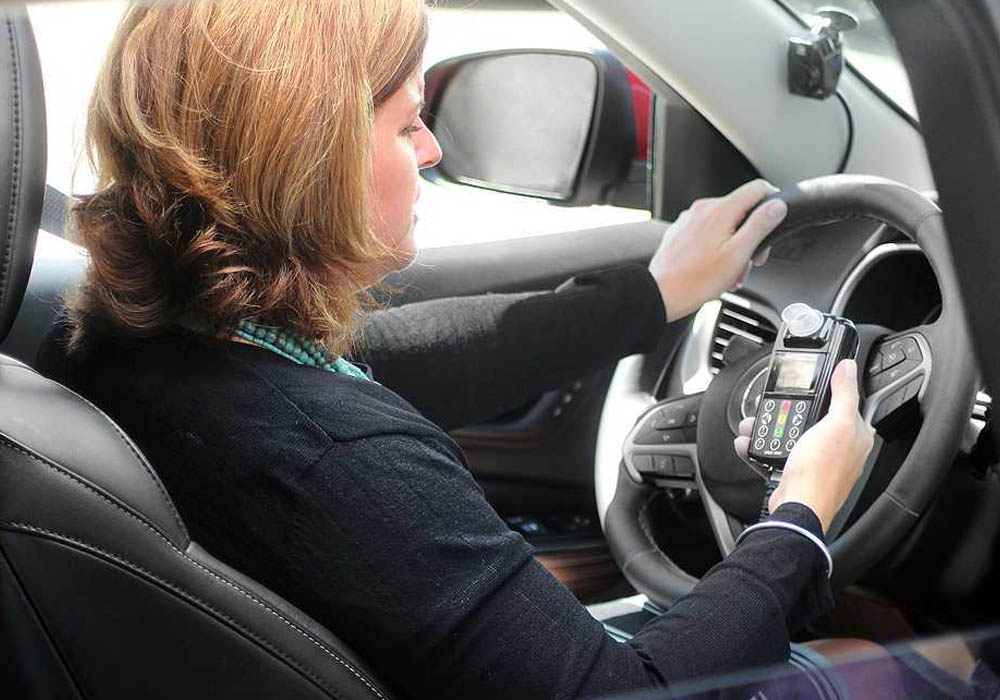
When an IID is ordered, Wisconsin law may require installation on vehicles owned or registered to the offender, depending on the court order and applicable requirements. Depending on the IID provider and Wisconsin program requirements, drivers may be required to provide a breath sample before starting the vehicle. Some IID systems may also request additional breath samples while the vehicle is in operation. Depending on the IID provider and applicable program requirements, the device may prevent the vehicle from starting or record the event if a breath sample exceeds the allowable threshold. Specific responses can vary by provider and state regulations.
Most IID providers require periodic maintenance, calibration, or service appointments to help ensure the device continues operating according to program requirements. The exact schedule depends on the provider and state regulations. Your IID provider may require periodic service appointments for calibration, inspections, or data reporting, depending on the specific device and monitoring program.
Some IID systems may record events such as failed tests, missed service appointments, or potential tampering attempts, depending on the provider and applicable program requirements. Depending on the reporting requirements of the program, recorded information may be reviewed by the appropriate monitoring authority. Depending on the circumstances and applicable requirements, device malfunctions or reported violations could require additional follow-up with the provider or the appropriate authorities. Drivers are generally expected to report and address technical issues promptly with their IID provider to help avoid potential compliance issues.
Costs Associated with IIDs
In most cases, offenders are responsible for IID-related costs, which may include:
- Installation fees range from $50 to $150.
- Monthly rental fees range from $60 to $80.
- Removal fees upon completion of the mandated period.
These costs can add up, especially if multiple vehicles are involved. It’s important to budget accordingly and consider these expenses as part of the overall consequences of a DUI conviction.
Other potential costs include service visit fees, missed appointment charges, or penalties for device damage. Keeping accurate records of all IID-related payments and communications is recommended, as proof of compliance may be required by the court or DMV at the end of the IID period.
Compliance and Legal Implications
Strict adherence to IID requirements is crucial. Depending on the circumstances and applicable Wisconsin law, non-compliance may result in additional penalties, which could include an extended IID requirement, fines, or other legal consequences.
Depending on the circumstances, operating a vehicle without a required IID may result in additional legal consequences and could affect the reinstatement of driving privileges.
A DUI offense often carries collateral consequences beyond immediate penalties. Repeated violations or more serious instances of non-compliance can impact future sentencing, driving record status, and insurance premiums. It is essential not only to comply but also to use the IID as an opportunity to demonstrate responsible driving behavior to the authorities, the courts, and insurance companies. Depending on the individual’s circumstances and applicable legal requirements, successful completion of an IID program may support the process of restoring driving privileges.
Exemptions and Financial Hardship
In certain situations, individuals may seek exemptions from IID requirements. For instance, if a vehicle is no longer owned or operated by the offender, they can request an exemption through the convicting court. Depending on the circumstances, the convicting court and WisDOT may require specific documentation before an exemption request can be considered.
For those facing financial hardship, Wisconsin law provides provisions to reduce IID costs. Eligible individuals may qualify for reduced IID costs based on financial hardship, subject to Wisconsin law and court approval. It’s essential to work with the convicting court to determine eligibility and navigate the application process.
Additionally, exempting vehicles may not always be straightforward if the offender shares cars with family members or has vehicles registered for work. Courts review the circumstances carefully; supporting documentation, such as proof of sale, transfer of ownership, or employer statements, may be required. For those granted a financial hardship application, it is still important to verify the exact nature of the discount available and how it will affect monthly payments, as it may apply only to a portion of the overall cost. Extra attention to paperwork and deadlines can prevent unnecessary penalties or program interruptions.
Choosing an IID Provider
Selecting a reputable IID provider is vital for compliance and ease of use.
Each provider offers different pricing structures, service locations, and device features. It’s advisable to research and choose a provider that best fits your needs and circumstances.
When evaluating providers, consider their customer service reputation, the availability of local installation centers, emergency support capabilities, and user-friendly technology. Some providers offer smartphone apps, flexible scheduling options, and additional reporting features that can make the process more convenient. Make sure to read user reviews and consult with your legal counsel or probation officer for provider recommendations, as reliable service can make a significant difference in staying compliant and reducing stress during this period.
Conclusion
Understanding the requirements and responsibilities associated with Ignition Interlock Devices in Wisconsin is essential for those convicted of OWI offenses. Compliance helps drivers meet applicable legal requirements, promotes safer driving habits, and contributes to overall road safety. By staying informed and proactive, offenders can navigate the post-DUI landscape more effectively and work towards regaining full driving privileges.
While an IID requirement may initially feel overwhelming, taking a responsible, informed approach can lead to a faster resolution and support a pathway back to normalcy. Seeking help from qualified providers, staying organized, and keeping communication open with the court system will make the process smoother and help restore both driving privileges and personal peace of mind.