Cleaning several rooms becomes inefficient when the same spaces keep getting reopened. A bedroom is vacuumed, then someone returns with laundry. A hallway is mopped, then supplies have to be carried through it. The bathroom is finished, but the trash still needs to be taken out through the room.
The better approach is to think of each room as having a status: not ready, actively being cleaned, or finished.
A room should move into the finished category only after the tasks likely to create more mess there are complete. That simple idea reduces backtracking better than following one rigid room-by-room checklist.
Clear Obstacles Before Declaring Any Room Active
Begin with a quick pass through the home to remove things that will interrupt cleaning later.
Collect dishes, laundry, toys, shoes, paperwork, and obvious trash. Return what has an easy destination and place anything requiring decisions into a temporary basket.
Do not reorganize closets or drawers.
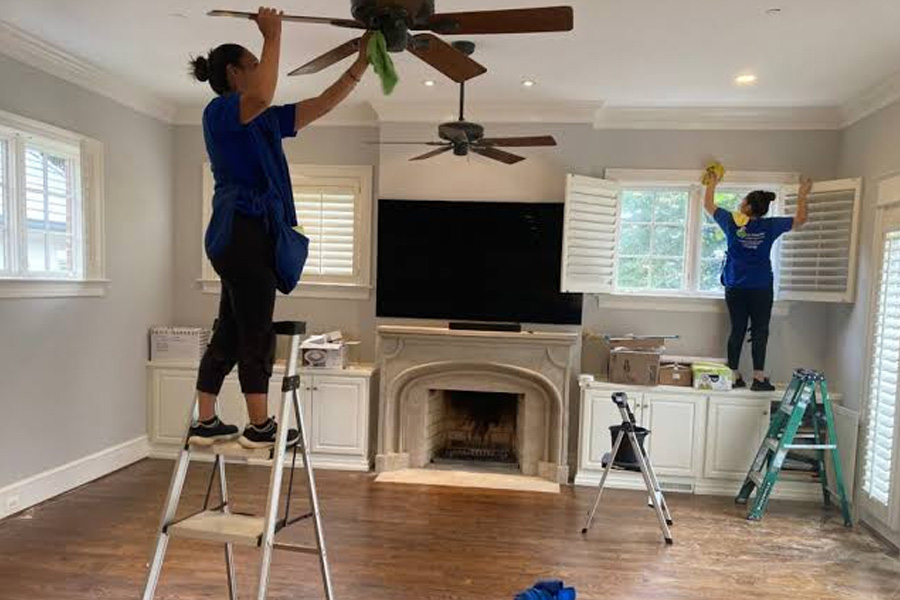
CJS Cleaning Solutions can work more efficiently when floors, counters, and furniture are accessible before the actual cleaning begins rather than stopping repeatedly to determine where personal belongings belong.
Once those obstacles are gone, the true condition of each room becomes much easier to judge.
Stage Supplies Before You Start Moving Through Rooms
Repeated trips for clothes, vacuum attachments, trash bags, or cleaning products create unnecessary traffic.
Gather what you expect to need and choose a sensible staging point.
Avoid placing supplies in a hallway that will later need to stay clear or on a counter that is about to be cleaned.
If the home has two floors, keeping a small group of frequently used supplies on each level can reduce unnecessary stair trips.
The purpose is not to carry every product you own. It is to prevent an almost-finished room from becoming a supply route again.
Finish the Mess-Making Tasks Before the Finish-Making Tasks
Some jobs create debris while others remove the last traces of it.
Changing bedding can release lint. Dusting shelves can drop particles. Vacuuming sofa cushions may release crumbs. Cleaning a cluttered counter can send small debris to the floor.
Those jobs should happen before the tasks that create the room’s final appearance.
For homes where several rooms need coordinated cleaning, professional cleaning services chapel hill nc can follow this same dependency logic: complete the work that disturbs a space before giving floors and other easily re-soiled surfaces their finishing pass.
That principle matters more than whether the bedroom comes before the living room.
Start With Rooms That Can Stay Finished
Bedrooms and other low-traffic spaces are often good early candidates because they can usually be closed off once completed.
Change bedding first if needed. Dust the furniture, handle visible marks, and deal with any accessible debris around the bed.
Then finish the floor.
Once the room is done, avoid using it as a place to stack supplies or sort household items.
A room that stays finished gives the cleaning session visible progress and removes one more space from the active workload.
Keep Shared Rooms Open Until Their Traffic Slows
Living rooms, family rooms, and central hallways are harder to finish early because people and equipment keep passing through them.
You can still dust shelves, wipe tables, and vacuum upholstery earlier in the process.
Delay the final floor work until nearby rooms no longer require repeated traffic.
This prevents a freshly vacuumed rug from immediately collecting crumbs released from a sofa or a cleaned hallway from becoming the path for several more supply trips.
The busiest connector spaces should usually remain active longer than quieter rooms.
Treat the Kitchen as a Task Hub Before It Becomes a Finished Room
The kitchen often generates its own cleanup while other work is happening.
Dirty cloths may be rinsed there. Trash may pass through it. Water and supplies may be collected from the sink.
That makes it a poor candidate for early completion.
Clear dishes and obvious clutter first, but save the final counter, sink, and floor work until the kitchen is no longer being used as cleaning headquarters.
Once it stops serving the rest of the house, finish cabinet fronts or appliance exteriors that need attention, clean the sink, and handle the floor.
Bathrooms Should Be Finished After Their Supplies Stop Moving
Bathrooms may need different cloths, products, and tools from dry living spaces.
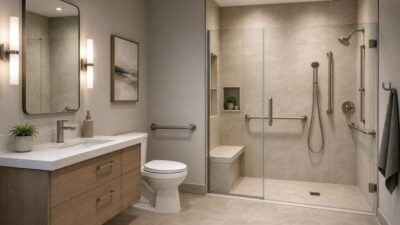
Work through the fixtures, mirror, vanity, toilet, bathing area, and any visible detail work before cleaning the floor.
If supplies still need to be carried in and out, the room is not finished yet.
Hair and dry debris should be collected before damp floor work begins.
Once the floor is complete and towels or toiletries are back in place, the bathroom can move into the finished category.
Give Hallways and Stairs Their Own Timing
Hallways and stairs connect nearly everything else.
That makes them less like ordinary rooms and more like working routes.
Dust railings, frames, ledges, and other details whenever convenient, but postpone the final floor work until most room-to-room movement has ended.
If the stairs are carpeted, vacuum them when you no longer expect several trips carrying supplies between floors.
CJS Cleaning Solutions can then leave these connectors until later without neglecting them; their timing is determined by traffic, not by importance.
Separate Dry Work From Wet Work Where Possible
Dry dusting, vacuuming, and debris removal generally fit together better than alternating constantly between wet and dry tasks.
A damp mop pad or wet cloth should not be carried repeatedly through rooms still filled with loose dust.
Grouping similar work also reduces product changes and cloth contamination.
That does not mean every dry task in the whole house must be completed before any wet cleaning starts. The aim is simply to reduce unnecessary switching that causes more movement and more chances to re-soil finished spaces.
Finish With the Main Exit Route
The last floor work should usually happen along the route used to leave the home or put supplies away.
That may include the central hallway, entryway, or kitchen passage.
Work toward the exit where practical so you are not forced to walk back across freshly cleaned flooring.
Then remove the remaining trash, put equipment away, and do a short walkthrough.
Correct only what stands out.
A good cleaning order is not a fixed list of rooms. It is a sequence that keeps finished spaces finished. Once a room no longer needs to be reopened, the whole job becomes easier to control.