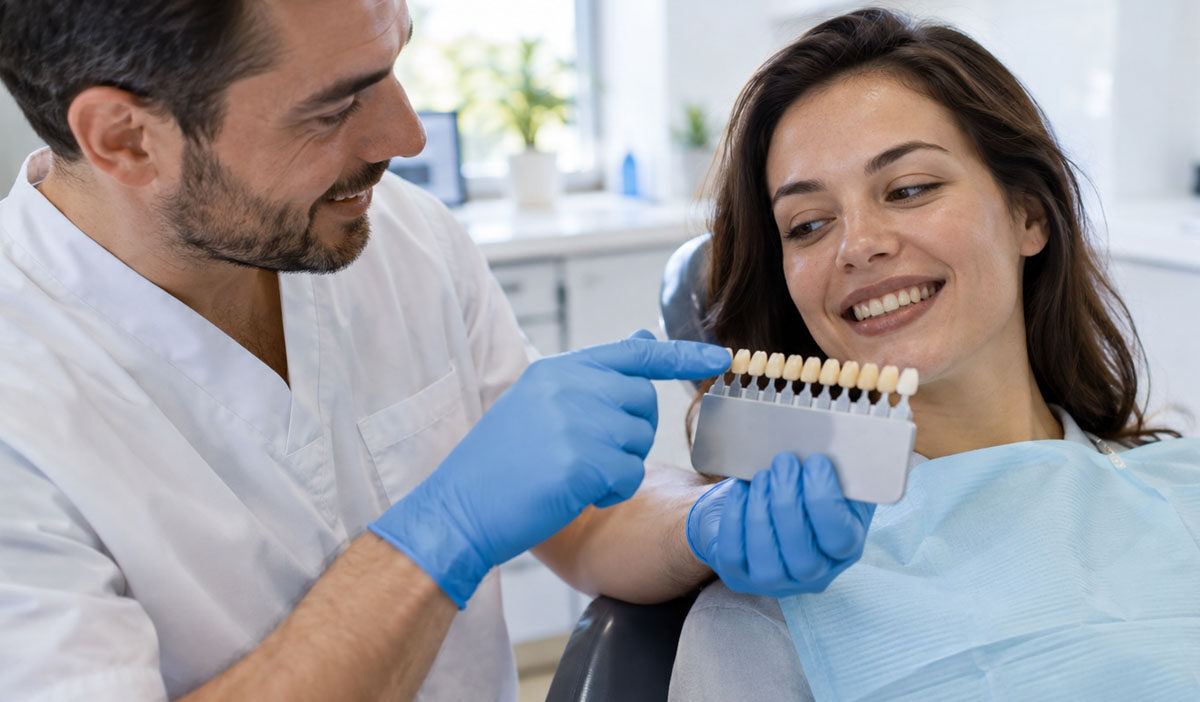
Thinking about brightening your smile for an upcoming event or simply feeling more confident from day to day? Whitening results can vary considerably, mainly because of the type of discoloration involved. Some stains sit on the enamel surface and lift quickly, while others develop within the tooth or result from previous dental work and require a different approach. This article explains how to tell the difference, how delivery methods and gel strength affect comfort and speed, when whitening isn’t the right solution, and how to maintain a lighter shade longer. Clear expectations can help you choose a safe, effective approach instead of relying on quick fixes that don’t suit your situation.
1. Surface Stains vs. Deeper Discoloration: Simple Clues You Can Use
Darkening that develops where coffee, tea, red wine, or tobacco touches the enamel is usually extrinsic staining. It may appear as brown discoloration near the gumline, between teeth, or on rough areas and often improves after a professional cleaning with polishing paste. This type of staining typically responds well to in-office or dentist-supervised teeth whitening, because peroxide can penetrate the enamel and help lift embedded pigments once surface buildup has been removed.
Uniform yellowing, gray or brown bands, and white flecks usually indicate intrinsic discoloration within the enamel or dentin. Aging dentin naturally becomes more yellow, while certain childhood medications, such as tetracycline, can cause visible banding. Routine polishing cannot remove these changes, and they may become more noticeable at the biting edges, where enamel is thinner and more translucent. Intrinsic discoloration can still respond to whitening, but it may require more controlled contact time, realistic expectations, and sometimes an alternative cosmetic restoration when the possible shade change is limited.
2. Concentration and Delivery: Strips, Custom Trays, and In-Office Treatment
How the whitening gel reaches your teeth affects both the results and the likelihood of sensitivity. Over-the-counter strips are convenient, but their flat design may not fully cover curved incisors and may provide limited contact with canines and molars. Custom trays made from impressions create space for the gel, improve contact on crowded or rotated teeth, and allow measured use of carbamide peroxide, often between 10 and 22 percent. This approach can provide gradual whitening while helping to manage sensitivity. In-office treatment uses higher concentrations of hydrogen peroxide, along with careful cheek and gum protection, to produce faster shade changes. However, you may still need planned tray-based touch-ups later.
A genuine tradeoff exists between speed and comfort. Stronger gels and longer wear times can produce faster whitening but may temporarily increase tooth sensitivity or irritate exposed dentin. Shorter and more frequent tray sessions, combined with breaks for desensitizing treatment, may reduce discomfort. Clinics sometimes use light sources during chairside treatment, but peroxide remains the primary whitening ingredient. Ask which formulation will be used, how the gums and other soft tissues will be protected, and what steps should be taken if sensitivity becomes uncomfortable during treatment.
3. When Whitening Is the Wrong Tool: Fillings, Crowns, White Spots, and Medication Bands
Bleaching does not change the shade of composite fillings, porcelain veneers, or crowns. If you whiten natural enamel around a front crown, the crown may appear darker even if it originally matched the surrounding teeth. A better approach is to whiten the natural teeth first, let the new shade stabilize for a couple of weeks, and then replace visible restorations if needed to match the lighter color. Similarly, white spot lesions from early demineralization can become more noticeable when the surrounding enamel lightens. Microabrasion or resin infiltration may help blend these areas rather than repeatedly applying more peroxide.
Deep gray or brown bands associated with tetracycline staining can be difficult to lighten. Some patients may see improvement with extended, dentist-managed tray whitening over several weeks, with careful monitoring. Others may achieve a more predictable cosmetic result with bonded resin or porcelain veneers. Establishing realistic expectations before treatment can help prevent the frustration of repeatedly using strong bleaching products that cannot fully overcome an internal pattern of discoloration.
4. Managing Sensitivity and Protecting Enamel During Whitening
If cold air already causes sharp sensitivity in a few teeth, address those triggers before starting whitening. Gum recession exposes root dentin, which can transmit temperature changes to the nerve more readily than enamel. Using toothpaste containing potassium nitrate every day for one to two weeks before whitening may help reduce sensitivity. Many dentists also provide neutral sodium fluoride or potassium nitrate gels that you can wear in trays for 10 to 20 minutes before or after bleaching sessions. Shortening wear times, choosing a lower concentration of carbamide peroxide, or taking occasional days off can also give sensitive teeth time to recover and may reduce discomfort.
A common mistake is attempting to scrub stains away with highly abrasive charcoal pastes. Excessive abrasion can wear down enamel and may contribute to notches near the gumline, potentially increasing sensitivity and making discoloration more noticeable over time. Another mistake is placing whitening gel inside a regular nightguard. Many nightguardsletw gel leak onto the gums, and their design doesn’t distribute whitening material evenly. Proper whitening trays hold gel against the facial surfaces of the teeth while limiting unnecessary contact with the gums.
5. Make Brighter Shades Last: Habits and Timing That Pay Off
The first 24 to 48 hours after a whitening session are a useful time to be mindful of strongly pigmented foods and beverages. Consider limiting black coffee, tea, red wine, dark berries, and soy sauce during this period. If you do consume them, rinsing your mouth with water afterward can help reduce prolonged contact with pigments. Over the longer term, using a straw for iced coffee can reduce contact with the front teeth, while consistent professional cleanings can help control plaque and surface buildup that may hold stains. Because teeth can appear temporarily lighter immediately after treatment, it is often better to assess the final shade several days later.
Plan whitening around important events and upcoming dental work. For example, a coffee-drinking professional preparing for a job interview might complete shorter tray sessions over several days, use a desensitizing product when needed, and then move to occasional maintenance treatments. If a front tooth has a composite edge or an older crown, whitening the natural teeth first and replacing the restoration after the shade stabilizes can help create a more accurate match. Keeping whitening gel for occasional maintenance, using a low-abrasion toothpaste, and maintaining regular brushing and flossing can help preserve results without excessive bleaching.
Choosing the Right Approach for Your Stain Type
Teeth respond more effectively when the whitening method matches the type of stain. Surface pigments from coffee, tea, and red wine often improve once plaque and calculus have been removed, while deeper yellowing or internal banding may require carefully controlled peroxide contact and realistic expectations. Restorations do not become lighter with whitening and may need replacement afterward if they no longer match the surrounding teeth. Comfort can also improve when the treatment plan includes desensitizing ingredients such as potassium nitrate and fluoride. If you are unsure what type of discoloration you have, a dental exam with a shade guide and an assessment of existing fillings or crowns can help prevent two common frustrations: using a stronger gel than your teeth can comfortably tolerate and trying to bleach discoloration that whitening products cannot effectively change.