Damaged window shutters can affect privacy, light control, room comfort, and the overall appearance of a space. Before ordering new shutters, it is worth determining whether a targeted repair can restore safe, reliable operation. A professional blind repair assessment can help identify whether the issue is limited to a hinge, louver, tilt bar, or other replaceable component. This approach can help homeowners understand the problem before deciding whether a repair or replacement is appropriate.
The right choice depends less on the shutter’s age than on the condition of its frame, panels, hardware, and mounting points. A small isolated problem may be practical to repair, while repeated failures or moisture damage can make replacement the more sensible long-term option. Considering the extent of the damage can help ensure the selected solution is practical for the space and its future use.
Why The Decision Matters
Shutters are functional parts of a window treatment, not only decorative trim. When panels sag, louvers no longer tilt, or closures fail to align, the shutter may not provide the privacy or light management the room needs. Replacing the entire unit is not always necessary, but a quick repair is also not the best answer when the damage affects several components or the structure itself.
How To Inspect The Damage
Start with a gentle inspection. Avoid forcing a stuck panel or louver, since pressure can turn a minor hardware issue into a broken frame or cracked component.
- Open and close each panel slowly.
- Check whether the louvers move evenly and hold their position.
- Look for cracks, warping, soft spots, stains, or loose joints.
- Inspect hinges, magnets, brackets, screws, and mounting points.
- Notice rubbing, dragging, sagging, or unusual noises.
- Confirm that the shutter closes evenly against the frame.
- Take clear photos of visible damage before requesting service.
When Repair Makes Sense
A repair is often reasonable when the damage is limited, and the shutter’s main structure remains sound. Homeowners looking for service options can review available on-site assistance at https://www.bloominblinds.com/ after identifying the affected part.
- One broken louver or a small, isolated crack.
- A loose hinge, magnet, bracket, or fastener.
- A panel that is slightly misaligned but has a solid frame.
- A damaged tilt bar or operating mechanism.
- Minor paint or finish wear.
- A newer shutter without signs of swelling, rot, or widespread deterioration.
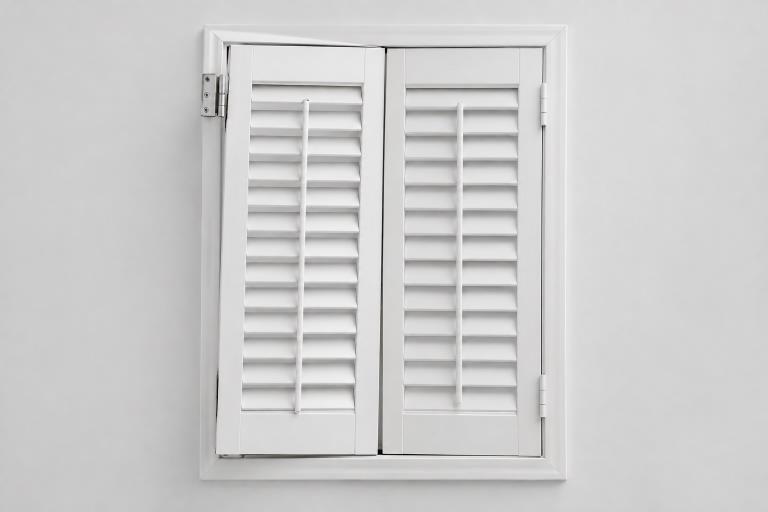
For example, a bedroom shutter with one loose hinge may lean or rub against the frame even though the panels and louvers are otherwise in good condition. Replacing or securing that hinge can restore normal movement without the cost and disruption of replacing the entire shutter.
When Replacement Is The Better Choice
Replacement deserves closer consideration when repairs would address only one symptom of a larger problem. Structural damage, poor fit, or repeated hardware failures can shorten the useful life of a repaired shutter.
- Several panels are cracked, warped, or difficult to operate.
- The frame is splitting, bowed, or pulling away from its mounting area.
- Moisture has caused swelling, softening, rot, or corrosion.
- The same operating mechanism has failed more than once.
- Matching replacement parts are unavailable.
- The shutter no longer fits the window opening properly.
- The repair estimate approaches the cost of a comparable replacement.
Surface wear can often be refinished, but paint cannot restore a weakened frame or reverse moisture-related damage to materials. When the shutter is no longer stable, a replacement may provide a more dependable solution.
How Material And Age Affect The Decision
Material influences what can be repaired and how carefully the shutter should be evaluated. Wood may be repairable when the damage is small, and the material remains firm, but soft or swollen areas call for closer inspection. Vinyl can handle moisture well in many settings, although cracked or brittle pieces may be difficult to repair cleanly. Composite shutters can remain durable, but their joints and hardware can still wear. Metal shutters may develop dents, corrosion, or bent components depending on their exposure and design.
Age is a useful context, not a final verdict. A well-maintained older shutter with a replacement part available may be worth repairing. A newer shutter with a badly damaged frame may not be.
Safety Checks Before Choosing A Repair
Do not ignore loose mounting hardware, sharp broken edges, unstable panels, or damaged cords and operating systems. In homes with children or pets, keep furniture away from accessible cords and stop using an unsafe window covering until it is assessed. Homeowners can check recall listings for window coverings when they suspect a product may be subject to a safety notice or recall remedy.
Energy, Light, And Comfort Factors
A properly fitted shutter can enhance privacy, control glare, and improve light management. Check for gaps caused by warped panels, loose closures, or a frame that no longer sits squarely in the opening. Window orientation, direct sun exposure, room use, and ventilation needs should all guide the decision. Interior shades and blinds can reduce unwanted solar heat gain, but performance depends on the product, fit, window, climate, and how the covering is used.
What A Professional Repair May Include
A qualified technician generally begins by reviewing the shutter’s material, age, and operating history. The assessment may include identifying the failed part, checking the frame and mounting area for hidden damage, confirming whether compatible parts are available, and testing movement after the repair. A clear explanation of expected service life and basic care instructions can help homeowners decide whether the repair is worthwhile.
How To Compare Repair And Replacement Costs
Compare more than the first quoted price. Ask whether an estimate includes parts, labor, travel, and cleanup. It is also helpful to ask if matching materials are available, how long the repair is expected to last, and whether other components are nearing failure. Repair is often a practical choice when one part has failed, and the main structure is sound. Replacement is more compelling when parts are unavailable, failures repeat, or damage is widespread.
A Simple Decision Checklist
- Is the damage limited to one component?
- Is the frame still firm and securely mounted?
- Does the shutter open and close safely?
- Are there signs of moisture damage, rot, or corrosion?
- Can a matching replacement part be found?
- Has the same issue happened before?
- Will the repair likely provide several more years of reliable use?
- Would replacement solve multiple problems at once?
Conclusion
The repair-or-replace decision comes down to the extent of damage, the stability of the frame, part availability, safety, and total cost. Careful inspection helps avoid unnecessary replacements and prevents spending on repairs that are unlikely to last.