How a Disposal Works and Why It Eventually Slows Down
A small engine rotates a flywheel with impellers that grind food trash under the sink. Kinetic energy and abrasion replace razor blades. Water takes finely ground sludge to the drain. Metal wears, bearings loosen, and motor torque decreases. That decline in force causes longer grind times, more residue, and occasional stalls. Like a marathon runner reaching the wall, an aging unit can move but not as fast.
Subtle Symptoms That Signal It Is Time
Some issues shout. Others whisper. Listening early can spare you a scramble later.
- Hums with no spin. A low hum means the motor wants to turn but the flywheel is jammed. One isolated jam can be cleared with the hex key underneath. Repeated jams point to worn parts, tired bearings, or insufficient torque for your usage.
- Frequent breaker trips. Electrical protection that trips regularly often indicates a failing motor winding or moisture intrusion. Resetting the breaker over and over is a bandage, not a cure.
- Vibration that rattles the sink. Excess vibration can come from a bent or unbalanced flywheel, a warped mount, or a cracked housing. If the sink itself shimmies during use, internal wear has escalated.
- Persistent backwash into the opposite sink basin. If food particles bubble up on the other side, the unit may be grinding inefficiently or the drain configuration is wrong. When drain and trap checks look good, declining performance becomes the likely cause.
- Water staining around the mounting ring. Even minor seepage that leaves tide lines on the underside of the sink points to seal fatigue. If tightening the mounting ring and replacing the splash guard does not help, the body may be compromised.
Matching a New Unit to Your Kitchen and Habits
One size does not fit all. Choose a replacement based on how you cook, how many people eat at your table, and how much space you have under the sink.
- Motor power. For light use or small households, 1.3 to 1.4 horsepower is more than sufficient. For families that cook daily, 0.75 horsepower hits a reliable sweet spot. For frequent hosts and heavy prep, 1 horsepower delivers faster, quieter grinding and fewer jams.
- Grinding stages. Single stage is adequate for basic use. Two or three stages reduce particle size further, which helps with smoother drainage when you prep lots of fibrous or dense foods.
- Noise control. Look for sound insulation and anti-vibration mounts. A quality unit will purr rather than roar, a welcome upgrade in open kitchens.
- Materials. Stainless steel grind components resist rust and keep their edge longer than galvanized parts. You will pay a bit more upfront and less over the lifespan.
- Feed type. Continuous feed is common and convenient. Batch feed models start only when a stopper is in place, which adds safety in homes with curious kids.
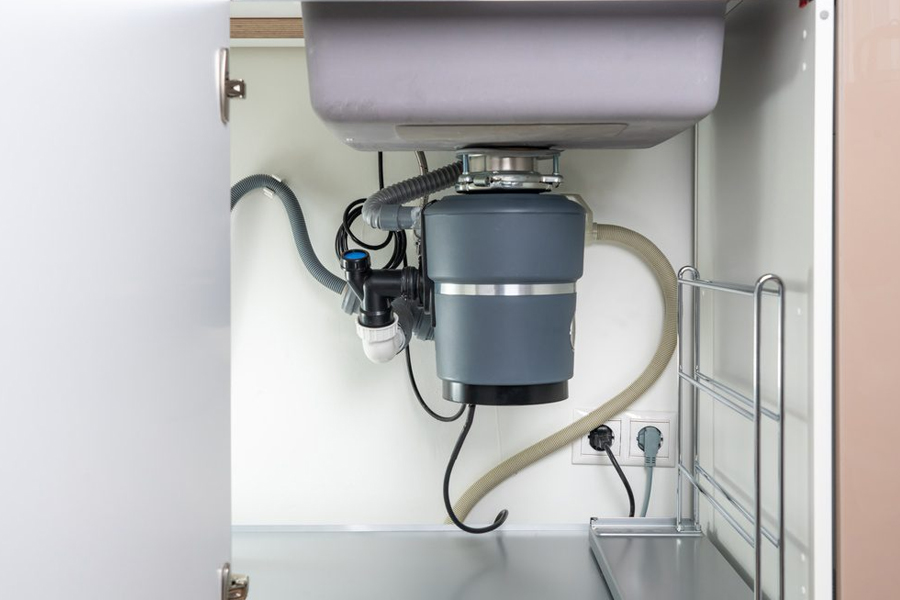
- Space and connections. Measure under-sink clearance, check the position of your P-trap and wall outlet, and confirm whether you need a dishwasher inlet or an air switch.
The Sustainability Angle Beyond Convenience
Disposals help clean kitchens, but they are only one component of sustainability. Smaller particles decrease grease jams, reducing emergency cleanouts and chemical drain treatments. Efficient units use minimal water per session because they grind faster. When possible, compost fiber peels, coffee grounds, and big leftovers instead of flushing them down the drain. The disposal is suited for little leftovers and plate scrapes, not stew stockpots. It should supplement waste reduction, not replace it.
What the Price Tag Really Means
Budgeting is easier when you break the costs down.
- Unit cost. Expect a range from basic compact models at the low end, midrange units with stainless internals in the middle, and premium quiet models at the high end.
- Parts and accessories. You may need a new sink flange, plumber’s putty, a replacement splash guard, a discharge tube, and possibly a new trap if yours is corroded. If the current unit is hardwired and you prefer a plug, add a cord kit.
- Professional installation. Labor rates vary by region and complexity. Costs rise if the installer needs to replace corroded drain lines, add an outlet, or correct an improper trap configuration.
Consider the total picture. A reliable, quiet unit with better materials often lowers lifetime cost through fewer repairs, less downtime, and longer service.
DIY or Pro: Safety and Fit Matter
If you are handy and comfortable working under the sink, a straightforward swap can be a weekend project. Safety and fit are more important than speed.
- Power off. Turn off the circuit at the breaker, not just at the wall switch. Confirm with a non-contact tester.
- Support the old unit before you loosen the mounting ring. These machines are heavier than they look.
- Inspect the sink flange. Remove old putty, clean the seating surface, and lay an even bead so the new flange seals tight.
- Align the discharge tube carefully. A strained connection invites leaks. Dry fit first, then tighten with a gentle, even hand.
- Electrical connections. If hardwired, use proper wire nuts and strain relief. If using a cord, route it cleanly and keep it away from sharp edges.
Call a pro when you see corroded drain pipes, a misaligned trap that would require cutting, or any electrical work beyond simple connections. A tidy installation pays off in silence and reliability.
Everyday Habits That Protect Your New Investment
Good technique keeps your disposal from working harder than it should.
- Run cold water before, during, and after grinding. Cold water keeps fats solid so they can be chopped rather than coating the drain.
- Feed scraps gradually. A steady stream beats a sudden avalanche.
- Avoid stringy offenders. Corn husks, onion skins, artichokes, and celery wrap around the impellers and stall the flywheel. Compost those instead.
- Skip hard bones and fruit pits. Occasional fish bones are fine, but dense bones and pits can wobble or chip internal parts.
- Clean the splash guard. Pull the black rubber baffle, scrub the underside, and remove residue that traps odor.
- Freshen the grind chamber. A handful of ice and a thin slice of citrus peel helps knock debris from the grind ring and reduces smells. Do it sparingly and keep water running.
When a Simple Repair Still Makes Sense
Not every hiccup calls for a new unit.
- Jammed flywheel. Use the hex key underneath to work the flywheel back and forth. Clear the chamber with tongs and try again.
- Loose mount or vibration. Tighten the three mounting ring tabs and check the support bracket. Replace a cracked splash guard.
- Minor leaks at the discharge. Swap the gasket and reposition the discharge tube. If the housing itself leaks, replacement is the safer move.
- Slow drain after a party. Remove the trap and clear a localized clog. If slow draining becomes your new normal, aging components may be to blame.
Planning Around a Larger Kitchen Upgrade
Consider your disposal as part of a system when doing counter repair or installing a deeper sink. Motor clearance decreases with deeper bowls. Farmhouse sinks can affect trap alignment. Quieter units are a relief in open living rooms, and a counter air switch can replace a wall switch for a clean look. If adding a dishwasher, make sure the disposal has a drain hose knockout and your local code authorizes the connection method.
FAQ
How long does a garbage disposal typically last?
With average use and basic care, most units run reliably for 8 to 12 years. Premium models with stainless steel internals often last longer. Lifespan depends heavily on what you put down the drain and how consistently you run cold water.
What horsepower rating should I choose for my household?
For one or two people who cook lightly, 0.5 horsepower can work, though 0.75 offers a cushion against jams. Families of three to five who cook most nights are well served by 0.75 horsepower. Frequent entertainers or heavy cooks benefit from 1 horsepower for faster, quieter grinding.
Why does my disposal hum without spinning?
The hum means the motor is energized but the flywheel is stuck. Turn off power, insert the hex key into the bottom slot, and work the flywheel back and forth to free it. Remove any lodged object with tongs. If the unit jams repeatedly, internal wear may be the cause.
Can I install a disposal under a farmhouse or apron-front sink?
Yes, as long as you have the vertical clearance and can maintain proper trap alignment. Deeper basins reduce space for the motor, so measure carefully. You may need to adjust the trap or use a compact unit.
Are stainless steel grind components worth the extra cost?
Stainless resists corrosion and holds a sharper edge longer than galvanized components. The result is smoother grinding, fewer jams, and a longer service life, which can justify the higher purchase price.
Is batch feed safer than continuous feed?
Batch feed models only operate when a special stopper is in place, which offers additional safety for families with children. They are typically quieter, though they grind in cycles rather than continuously. Continuous feed is faster for large meal prep and cleanup.
Why does my unit trip the breaker?
Frequent trips can indicate a locked rotor, moisture in the motor, or a failing winding. Make sure the circuit is appropriately rated and not overloaded by other appliances. Persistent trips after clearing jams point to a failing unit that should be repaired or replaced.
Do ice cubes and citrus peels actually clean a disposal?
Ice helps knock residue off the grind ring and impellers, while a small strip of peel freshens the chamber. Use a few cubes, keep cold water running, and do not overdo it. These steps maintain, not repair, a disposal.
How can I reduce odor without chemicals?
Clean the splash guard, flush with cold water for at least 20 seconds after grinding, and occasionally use a mild baking soda and vinegar rinse followed by a thorough water flush. Consistent cleaning prevents buildup that causes smells.
Can I connect my dishwasher to the disposal?
Many disposals include a dishwasher inlet. Knock out the plug before attaching the hose and secure it with a clamp. Ensure there is a proper high loop or air gap per local code to prevent backflow into the dishwasher.