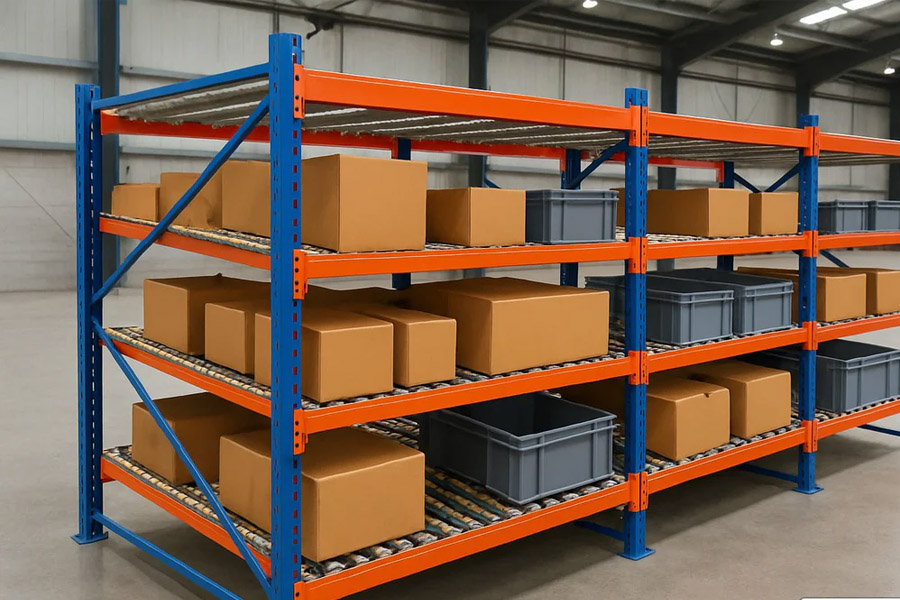
Why Storage Design Decides the Tempo of Your Day
Every workflow has music. Some days are consistent. Sometimes it stutters. That beat is timed by storage options. The proper components in the correct places make motion smooth and short. When they don’t, sluggish drifts, backtracking, and minor pauses eat up time.
Not only capacity matters in storage. It determines walking path, touch sequence, and error risk. Put high-frequency things in the peripheral to buy extra footfall all day, notes SGI Property Management Phoenix company. Splitting rapid movers over aisles increases search time. Good news: minor, targeted layout, access, and labeling changes generally save more time than large equipment purchases.
Map the Motion: A Simple Way to See Hidden Waste
Before you move a single shelf, watch. Spend one hour drawing a “spaghetti map” of how people travel to pick tools, parts, or products. Use a floor plan printout. Trace where feet go and where hands pause. Mark:
- Where searches start and stall
- Crossovers where traffic jams occur
- The longest reach and heaviest lift points
- The items that are touched most often
Add a quick time study. Count how long it takes to find 10 common items. Measure average steps between the main work zone and the three most used storage areas. Establish a baseline for:
- Pick time per line
- Distance walked per hour
- Misplacement incidents per week
With this picture, the first changes usually become obvious. The goal is to shorten travel and remove guesswork, not to alphabetize the universe.
Slotting That Makes Sense: Put Frequency First
Smart slotting is inventory realism. The things you touch most belong closest to where hands already work. Use a simple A-B-C approach:
- A items: Top 20 percent by hits per day. Store within the golden zone between knee and shoulder height, as close to the point of use as safety allows.
- B items: Moderate movers. Place next to A zones, still accessible without ladders.
- C items: Rarely used. Push these outward and upward, even if it means more steps, because the tradeoff is minimal.
Additional slotting moves that pay off:
- Heavy low, light high. Save backs and avoid wobble.
- One home per item. Duplicates create confusion and missed counts.
- Decant bulky supplier packaging into right-size bins. Label bin fronts with large type and color cues.
- Create fast lanes for kits. Pre-bundle recurring combinations so picks become grabs, not scavenger hunts.
Revisit slotting after season changes or product introductions. Your top 20 percent today may be different by the end of the quarter.
Flexible by Default: Modular and Portable Options
Workflows shift with seasons, promotions, and growth. Locking yourself into a rigid layout invites later pain. Build adaptability into the bones:
- Adjustable racking with quick pin moves
- Shelving on casters for temporary reconfiguration
- Stackable, nestable, or fold-flat totes to free space on slow weeks
- Mobile workstations that roll to where demand spikes
- Clear staging zones for warehouse cross dock operations during peak inflows
On-site pods or shipping containers might help firms with project work or surges. They provide overflow capacity without a permanent footprint, can be zoned for projects, and separate long-term and fast-turn inventory. You may return to the main footprint without tripping over empty racks as demand drops.
Keep It Human: Ergonomics and Safety as Time Savers
Speed dies when bodies strain. Storage that respects human movement not only prevents injuries, it shortens cycles:
- Keep common picks between knee and shoulder height. Reserve floor-level and top-shelf space for slow movers.
- Use two-hand grips where possible. Provide bins with proper handles and avoid overfilling.
- Place the heaviest items close to where they are used to reduce carry distance.
- Improve lighting and sightlines. A crisp label read at 6 feet saves pauses at 2 feet.
- Use color banding to distinguish zones. People scan colors faster than text.
- Keep aisles clear with visual floor markings. A blocked route turns a straight line into a detour.
Safety and speed are allies. When motion feels natural, people move quickly without forcing it.
Lightweight Digital Layer: Visibility Without Complexity
Not every operation needs a full warehouse system. You can get big gains with a light touch:
- QR or barcode labels on shelves and bins, scannable by smartphones
- Digital location map that mirrors physical zones, updated weekly
- Simple kanban signals for restock: two-bin systems, color cards, or low-stock flags
- Cycle count rhythms that focus on A items daily or weekly, B items monthly, C items quarterly
If you adopt software, start small. Pick a system that supports your naming and zoning choices, not the other way around. The tool should make the physical layout clearer, not more mysterious.
Space Governance: How to Keep Quick Fixes from Fossilizing
Temporary holds tend to become permanent residents. Prevent drift with simple rules:
- One point of storage ownership per area. A named steward reviews resets and overflow weekly.
- A visual parking lot for orphans and returns. Nothing reenters the main flow without a labeled home.
- A change log for location moves. Small moves, big visibility.
- 5S touchups every Friday. Sort, set in order, shine, standardize, sustain. Fifteen minutes beats an annual overhaul.
- Do-not-store zones that protect safety paths and working clearances
When ownership and boundaries are clear, the system resists entropy.
A 30-60-90 Day Plan to Rework Storage
Day 0 to 30:
- Map motion and measure a baseline. Identify top 20 fast movers and top 10 slow movers.
- Establish zones and relabel locations with simple codes. Color band A, B, and C areas.
- Move A items into the golden zone. Decant bulk packaging into standard bins.
- Clear aisles. Add temporary signage and floor tape for new routes.
Day 31 to 60:
- Install adjustable shelves or add casters to two racks. Pilot a mobile workstation near a high-demand area.
- Create a fast lane for kits or most common order combinations.
- Introduce basic kanban for replenishment of A items.
- Train the team using a five-minute daily huddle for one week. Gather feedback and refine map.
Day 61 to 90:
- Reslot based on new data. Confirm that A items are still A items.
- Set up an overflow plan using a portable storage unit or a designated buffer zone.
- Launch a weekly cycle count for A items and a monthly audit for labeling accuracy.
- Document the space governance rules and name stewards for each zone.
By day 90, you should see shorter pick times, fewer backtracks, and clearer traffic patterns.
Metrics That Prove It Works
Track a handful of numbers that tie directly to storage design:
- Average pick time per line
- Distance walked per hour in the pick area
- Mis-pick or mis-ship rate
- Inventory location accuracy and cycle count variance
- Lines picked per labor hour
- Dock-to-stock time for inbound items
- Space utilization percent by zone
- First-time-right completion rate for standard tasks
Translate the time saved into cost. If a team of eight saves four minutes per person per hour, you win over five hours of labor per day. That is capacity you already pay for, reclaimed.
Brief Industry Snapshots
Cafe and bakery:
- Syrups, cups, and lids live within a single arm sweep near the espresso machine.
- Backroom organized by roast date and pastry turn rate, with morning kits in mobile totes.
- Two-bin kanban for milk pitchers and napkins reduces mid-service scrambles.
Repair shop:
- Shadow boards place high-use tools by task family, not by manufacturer.
- Heavy parts and compressors rest low and close to the bay that uses them.
- A rolling cart holds the weekly job kit, preventing trips between bays and parts counter.
Ecommerce micro-warehouse:
- A items face the pack line on the lowest-level shelves within the golden zone.
- Orders with common pairings ride in a pre-kitted fast lane.
- Overflow and seasonal stock live in a portable container with clear zone labels to avoid creeping into fast-pick space.
Clinic supply closet:
- Color-coded shelves by room or procedure reduce cross-traffic in hallways.
- Min-max cards on consumables trigger restock before a stockout.
- Tall items rear-staged, small disposables front-staged with clear labels for nurses in a hurry.
In each setting, the pattern is the same: short paths, clear homes, right height, and easy cues.
FAQ
How do I start improving storage without buying new equipment?
Begin by moving your fastest movers into the golden zone and labeling every location clearly. Decant bulky packaging into right-size bins you already have. Clear aisles and create a small fast lane for your most common tasks. These changes cost almost nothing and often deliver the largest gains.
Our space is rented and small. Can we still gain flexibility?
Yes. Use adjustable shelves, casters, fold-flat bags, and transportable workstations. Keep your main floor clean by adding a movable storage unit or shipping container for overflow during short-term growth. Flexibility is habits, not space footage.
How do I get staff buy-in for a new layout?
Co-design with the people who use the space. Map the motion together, pilot one area, and time the results. When people see their footsteps cut in half, the new system sells itself. Keep rules simple and make the right choice the easy choice.
How often should we re-slot inventory?
Revisit slotting when seasonality or product mix shifts. As a rule of thumb, review A items monthly and everything else quarterly. If you track hits per SKU, watch for climbers that belong in the golden zone and fallers that can move outward.
Do we need a full warehouse system to track locations?
Not necessarily. Many teams get excellent results with QR labels, a shared digital map, and a basic scan sheet. If your complexity or volume grows, you can step up gradually. The core remains the same: clear homes, clear labels, consistent counts.
How do we prevent temporary fixes from becoming permanent clutter?
Assign a steward to each zone, create a visible parking lot for homeless items, and hold a weekly 5S touchup. Log any location change, even small ones. When ownership and visibility are in place, clutter has nowhere to hide.