Maintaining good dental health in pets is a crucial aspect of overall well-being. Dental problems are common in cats and dogs, often leading to pain, infection, and more severe health issues if left untreated. Understanding and practising effective pet dental care strategies can help pet owners ensure their companions enjoy healthy smiles and a better quality of life.
The Importance of Pet Dental Care
Pets frequently suffer from periodontal disease, a condition affecting the tissues surrounding and supporting the teeth. This disease can result in loose teeth, difficulty eating, and systemic infections. Many pet owners are unaware that the health of their pet’s mouth directly influences the health of their heart, kidneys, and liver. Therefore, regular dental care is essential in preventing these complications.
Common Dental Issues in Pets
Periodontal disease is the most prevalent dental issue encountered in pets. It begins with plaque accumulation, which hardens into tartar and causes gum inflammation known as gingivitis. Without intervention, it progresses to more severe periodontal problems. Other issues include broken or fractured teeth, oral tumours, and malocclusion, where the teeth do not align properly.
Signs of Dental Problems in Pets
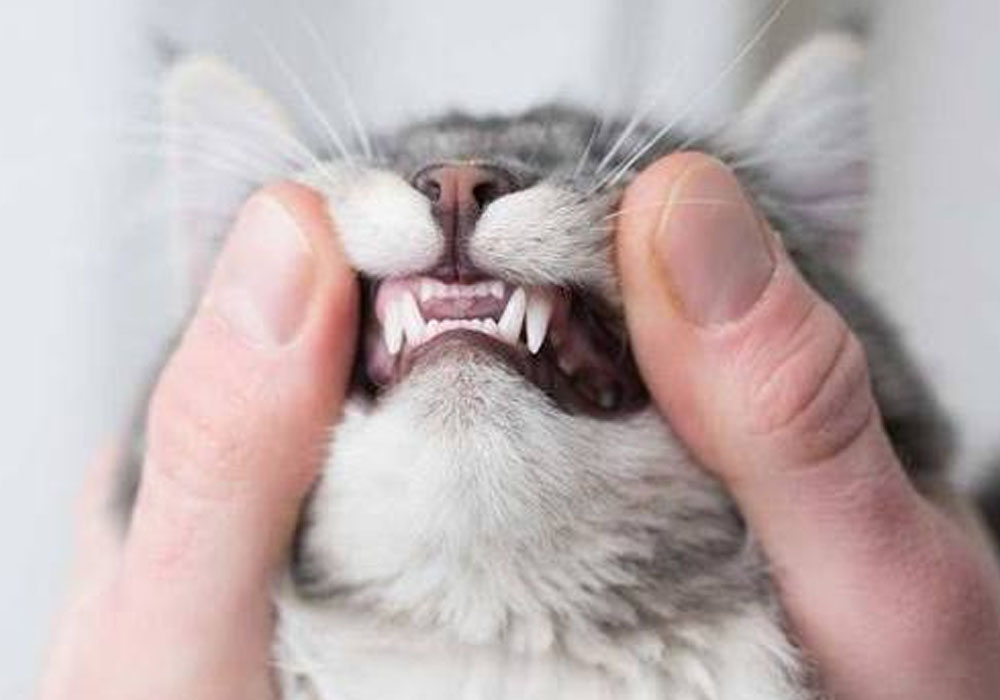
Recognising dental problems early can prevent serious health concerns. Owners should watch for signs such as bad breath, red or swollen gums, excessive drooling, difficulty eating, and behavioural changes due to pain. Visible tartar build-up or loose teeth also indicate the need for veterinary attention. Regular veterinary check-ups are vital to detect problems that might not be immediately visible or apparent to owners.
Routine Pet Dental Care Practices
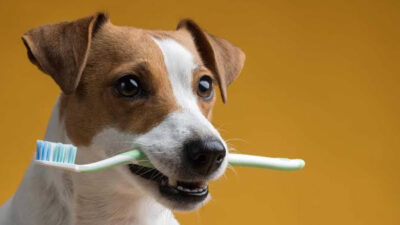
Daily brushing of a pet’s teeth remains the gold standard in maintaining oral health. Using a toothbrush and toothpaste specifically designed for pets can remove plaque before it hardens into tartar. Introducing this routine early in a pet’s life can help them become accustomed to the process. For pets resistant to brushing, other options such as dental wipes or oral rinses may assist in reducing plaque.
Professional Dental Cleanings
While brushing is fundamental, professional dental cleanings performed by veterinarians are necessary to clean below the gum line and address more advanced dental disease. These procedures often require sedation to ensure thorough cleaning and examination. Following professional treatment, a maintenance regime at home is essential to prolong dental health benefits.
Diet and Dental Care
Nutrition plays a significant part in pet dental care. Specially formulated dental diets or dental chews can reduce plaque and tartar formation. These products often have a texture that helps mechanically clean the teeth or contain enzymes that target oral bacteria. However, they should complement, not replace, regular brushing and professional care.
Choosing Dental Products for Pets
Pet owners should select dental products specifically designed and tested for animals. Human toothpaste, for example, contains fluoride and other ingredients harmful if swallowed by pets. Veterinary clinics and animal hospitals typically provide recommended products suited to different pets’ sizes and needs.
Regular Veterinary Dental Examinations
Regular dental examinations by a veterinarian allow early detection and treatment of dental diseases. Such check-ups are critical because pets rarely show obvious discomfort until the disease is advanced. During these visits, the vet can advise on suitable dental care routines and dietary options tailored to the individual pet.
The Role of Owners in Preventing Dental Disease
Preventing dental issues requires a partnership between pet owners and veterinary professionals. Educated owners who practice daily brushing, provide appropriate diets, and attend scheduled veterinary dental assessments greatly reduce their pets’ risk of oral diseases. Vigilance and commitment from owners are key factors in successful pet dental care.
Impact of Dental Health on Overall Well-being
Good dental health contributes not only to a pet’s comfort but also to their overall health. Untreated dental infections can lead to systemic illness, impacting vital organs. Moreover, pain from oral disease can affect eating habits and behaviour, reducing a pet’s quality of life. Prioritising dental care enhances longevity and happiness in pets.
Special Considerations for Different Pet Species
While most advice focuses on cats and dogs, other pets such as rabbits and rodents also require specific dental care due to continuously growing teeth. Their needs differ significantly from those of cats and dogs, requiring specialised veterinary guidance to prevent dental problems. Understanding species-specific needs is critical for effective dental care.
Addressing Challenges in Pet Dental Care
Some pets exhibit anxiety or resistance towards dental care routines. In such cases, gradual training, positive reinforcement, and consultation with a veterinarian can facilitate better acceptance. Alternatives such as dental diets, chews, and water additives can supplement regular cleaning when brushing is challenging.
Innovations in Pet Dental Treatments
Recent advances in veterinary dentistry include laser treatments, dental radiography, and minimally invasive procedures. Such technologies improve the diagnosis and treatment of dental diseases, making care more effective and less stressful for pets. Staying informed about new options can help owners seek the best care available.
Resources for Further Information
For additional guidance on maintaining a pet’s oral health, professional resources and veterinary clinics offer comprehensive advice. For example, the dedicated pet dental care service provides expert support in managing dental health for pets in Zetland and beyond.
Conclusion
Effective pet dental care is essential for preventing oral disease and its associated complications. Regular brushing, professional cleanings, appropriate diets, and veterinary check-ups form the foundation of maintaining healthy teeth and gums in pets. With consistent care and attention, pet owners can ensure their animals enjoy not only healthy smiles but enhanced overall health and comfort throughout their lives.