Your home works hard every day, and small maintenance issues can quickly become expensive problems when ignored. A dripping faucet, clogged filter, or neglected gutter may seem harmless at first, but minor damage can spread over time. The good news is that many common household problems can be prevented with simple, regular upkeep. A little attention now can protect your home, appliances, and budget later.
Check for Leaks Before They Cause Damage
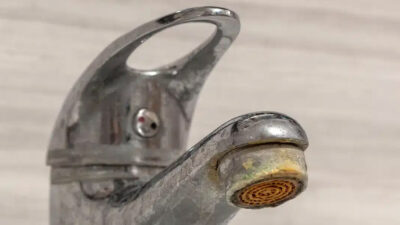
Water leaks are among the easiest home maintenance problems to overlook. A small drip beneath a sink, around a toilet, or near a water heater may not seem urgent, but persistent moisture can damage cabinets, flooring, walls, and other structural materials. Regularly inspect exposed pipes, supply lines, faucets, and connections for dampness, stains, or signs of corrosion.
Watch for Hidden Warning Signs
Not every leak is immediately visible. Peeling paint, musty odors, warped flooring, bubbling walls, or unexplained increases in your water bill can indicate a hidden plumbing issue. Checking these areas periodically can help you identify issues before they require a major repair.
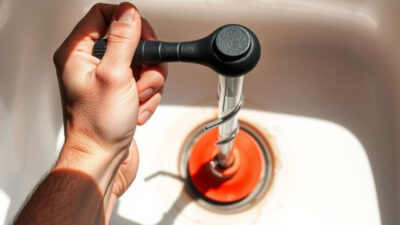
When you find a leak, address it promptly rather than simply placing a container underneath it. Replacing a worn washer or tightening a loose connection may be all that is needed to prevent extensive water damage.
Keep Gutters and Downspouts Clear
Gutters have an important job: directing rainwater away from your home’s roof, walls, and foundation. When leaves, dirt, and other debris build up, water can overflow and collect in places where it does not belong. Over time, this can contribute to roof damage, siding problems, basement moisture, and foundation concerns.
Clean gutters regularly, especially after periods when trees shed heavily. While doing so, check for sagging sections, loose fasteners, cracks, or separated joints. Downspouts should also direct water several feet away from the foundation rather than allowing it to pool beside the house.
A few minutes spent inspecting your drainage system can help protect your home from costly moisture-related repairs.
Replace Filters and Maintain Airflow
Filters play a key role in maintaining good airflow and helping heating and cooling equipment operate efficiently. A dirty filter can restrict airflow, forcing equipment to work harder and potentially increasing energy use. In some cases, neglected filters can also contribute to premature equipment wear.
Check your home’s filters according to the maintenance recommendations for each system and replace or clean them as needed. Do not assume that a filter needs attention only when it looks extremely dirty. Homes with pets, construction activity, or frequent dust may require more frequent checks.
Keep Vents and Registers Unobstructed
Furniture, rugs, curtains, and household items can accidentally block air vents and registers. Walk through each room occasionally to make sure airflow is unobstructed. Keeping vents clear helps your heating and cooling system distribute air more effectively and may reduce unnecessary strain.
If an appliance or home system starts making unusual noises, producing inconsistent results, or repeatedly losing performance, do not keep resetting or forcing it to operate. Scheduling professional appliance repair in Syracuse, UT, can help identify a developing problem before a minor fault becomes a more expensive failure.
Inspect Caulking Around Wet Areas
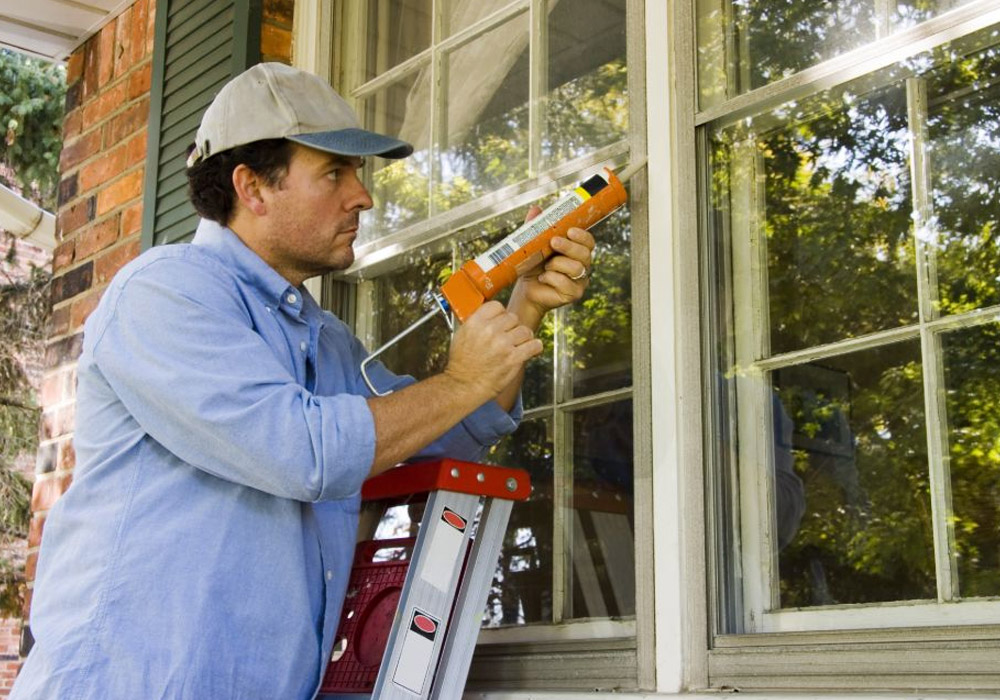
Caulk creates a protective seal around areas that regularly encounter water, including sinks, bathtubs, showers, and certain countertops. Over time, caulk can crack, shrink, peel, or develop gaps. Once that protective barrier fails, moisture can seep behind surfaces and encourage mold growth or damage surrounding materials.
Inspect bathroom and kitchen caulking every few months. If you notice cracks, discoloration, separation, or missing sections, remove damaged material and replace it with an appropriate waterproof sealant. Make sure the area is clean and dry before applying new caulk so the repair bonds properly.
This is a relatively inexpensive maintenance task, but it can help prevent more extensive problems involving walls, flooring, cabinets, and other moisture-sensitive materials.
Clean and Inspect Major Appliances
Household appliances often provide warning signs before they fail. Strange noises, unusual odors, reduced performance, leaks, or longer operating times can indicate that something needs attention. Catching these symptoms early may allow you to correct a simple issue before it causes a breakdown.
Pay Attention to Small Changes
Make a habit of checking appliances while performing normal household chores. Look for water around the base of washing machines and dishwashers, inspect accessible hoses for cracks or bulges, and keep appliance areas clean and free of unnecessary clutter.
Also follow the manufacturer’s recommended maintenance schedule for cleaning, inspections, and replaceable components. Routine upkeep can help equipment operate more reliably and may extend its useful life.
Do not ignore repeated problems simply because an appliance continues to work. A machine that struggles to complete a cycle, overheats, or repeatedly shuts off may be signaling a problem that deserves professional attention.
Inspect Doors, Windows, and Weather Seals
Small gaps around doors and windows can affect comfort and energy efficiency. Damaged weatherstripping and worn seals allow outdoor air and moisture to enter while conditioned air escapes. Over time, moisture intrusion can also contribute to deterioration around frames and walls.
Check seals at least a couple of times a year. Look for cracked caulk, gaps, peeling material, or visible daylight around closed windows and doors. Replace worn weatherstripping and reseal appropriate areas when necessary.
This simple task can make rooms more comfortable while helping reduce unnecessary heating and cooling demands. It can also provide an early opportunity to identify moisture intrusion before it causes more serious damage.
Maintaining connected home infrastructure often extends to routine mechanical care and temperature control systems to protect overall property condition. Homeowners managing routine upkeep can learn here about how regular system evaluations help prevent unexpected wear, maintain operational efficiency, and support long-term household reliability across every season.
Test Safety Devices Regularly
Some of the most important maintenance tasks involve devices that protect your household during emergencies. Smoke alarms and carbon monoxide detectors should be tested regularly to ensure they are functioning properly. Replace batteries or other components according to the device instructions, and replace units when they reach the end of their recommended service life.
Fire extinguishers should also be accessible, properly stored, and checked for visible damage or other signs that they may need replacement or professional servicing. Keep emergency equipment where household members can easily locate it.
These checks take only a few minutes, but they provide an important layer of protection. Home maintenance is not just about preserving property; it is also about keeping the people inside it safer.
Create a Simple Maintenance Routine
The biggest challenge with home maintenance is often remembering what needs to be done and when. Instead of waiting until something breaks, divide tasks into manageable routines. A short monthly inspection can cover leaks, filters, appliances, drains, vents, and other commonly overlooked areas.
Seasonal maintenance can focus on larger tasks such as gutter cleaning, weather sealing, drainage checks, and inspections before periods of heavy heating or cooling use. Keeping a simple written schedule can make these responsibilities easier to manage.
Most importantly, take unusual changes seriously. A small stain, strange sound, persistent odor, or minor performance issue can be an early warning that something needs attention. Acting while the problem is small is usually easier and less expensive than waiting for a complete failure.
Routine upkeep across all major mechanical systems is essential for maintaining home safety and efficiency. While managing plumbing pipes and water lines reduces risk indoors, arranging professional furnace repair service before cold weather arrives ensures heating equipment operates safely without sudden breakdowns. Maintaining both water and heating infrastructure helps preserve long-term property values.
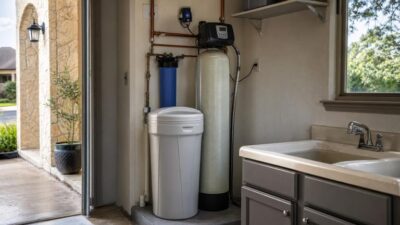
Beyond pipes and water heaters, managing mineral buildup and general wear across essential home systems often requires routine professional oversight. Homeowners looking to maintain long-term system efficiency and indoor comfort can consult All American Heating & Cooling to ensure that their heating and cooling setups operate smoothly alongside overall household utility needs.
Conclusion
Preventive home maintenance does not require complicated projects or expensive equipment. Simple tasks such as checking for leaks, clearing gutters, replacing filters, inspecting seals, and monitoring appliances can prevent minor issues from becoming major repairs. By creating a consistent maintenance routine and responding quickly to warning signs, homeowners can protect their property, improve efficiency, and avoid many unexpected expenses.