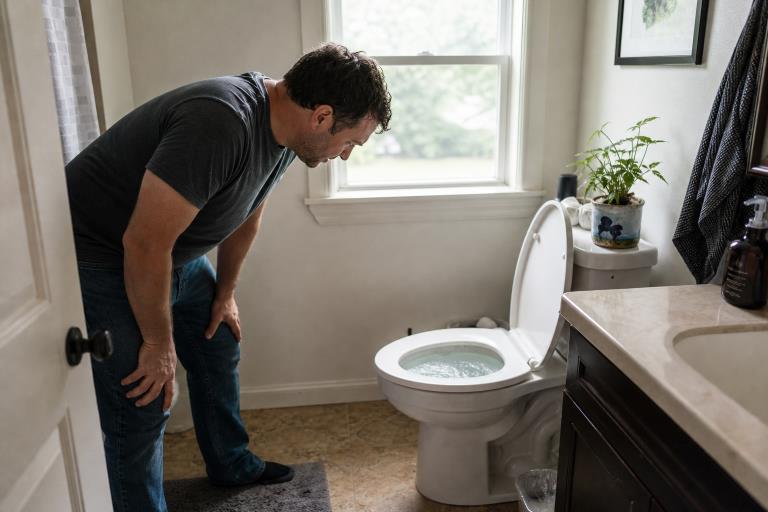
Your sewer line works out of sight, which makes it easy to forget until a drain stops working or wastewater appears where it should not. Knowing the early symptoms can help you respond before a small obstruction, root intrusion, or damaged pipe becomes a disruptive backup. Homeowners who notice repeated drainage changes can use sewer camera inspection services in St. George, Utah to get a clearer view of what may be happening underground.
A working toilet, clean floors, and a normal-looking lawn do not necessarily mean the buried line is in excellent condition, highlight Yellow Keys Realty specialists. Sewer problems can progress slowly, with water still moving through a narrowed, cracked, or uneven pipe. Paying attention to patterns, rather than waiting for a complete failure, gives you more time to understand the issue and consider appropriate repair options.
Why Sewer Problems Go Unnoticed
Most household maintenance takes place where people can see it, such as under sinks, around toilets, or near water heaters. The main sewer line is different. It runs beneath the property and may extend a considerable distance from the home to a municipal connection or private septic system. Damage can develop over time from soil movement, aging materials, root growth, buildup, or a poor pipe slope.
Improving overall household efficiency and indoor temperature stability often involves looking beyond entryway upgrades to evaluate heating and cooling performance. Homeowners managing seasonal climate demands frequently turn to experienced technicians like Modern Air near Jackson to keep their systems operating smoothly, ensuring balanced airflow and year-round indoor comfort throughout the residence.
Because water may still squeeze past a partial blockage, early warning signs are often intermittent. A shower may drain slowly one week and seem fine the next. A toilet may gurgle only when the washing machine empties. These changes are worth tracking, particularly when they affect more than one fixture.
Early Warning Signs To Watch For
Several Slow Drains
One slow sink may be a local clog. Slow drainage in sinks, tubs, showers, and toilets across the home can point to a restriction farther down the system. Pay attention to whether the problem appears in lower-level fixtures first, since those are often closest to the main line.
Repeated Clogs and Gurgling Sounds
A clog that returns shortly after plunging or drain cleaning deserves closer attention. Gurgling from a toilet, shower, or sink can also indicate that air is being displaced irregularly because water and waste are struggling to move through the line.
Odors, Wet Soil, or Unusual Lawn Growth
Persistent sewer-like odors indoors or outdoors should not be dismissed as normal. Outside, soft ground, standing water, a small depression, or an unusually green patch of grass near the sewer route may suggest added moisture below the surface. These signs do not prove a sewer break, but they warrant an assessment.
Recent Plumbing Backups
Wastewater rising into a tub, shower, floor drain, or toilet is an urgent warning. Reduce water use immediately and avoid contact with sewage. Backups can create sanitation concerns and may worsen quickly if occupants continue flushing, showering, or running appliances.
What the Signs May Mean Below Ground
Similar symptoms can result from very different conditions. Tree roots may enter through a tiny crack or loose joint and trap debris. Grease, mineral scale, paper products, and non-flushable items can narrow the pipe. Older lines may crack, separate at joints, shift out of alignment, or deteriorate after years of soil pressure.
A sagging section, sometimes called a belly, can hold water and solids instead of allowing them to flow away. That standing material can lead to recurring clogs even after the line has been cleaned. The symptoms alone cannot provide a reliable diagnosis, which is why visual evidence is often more useful than guessing.
When a Camera Inspection Can Help
A sewer camera inspection can be useful after recurring clogs, a backup, persistent odors, root removal, or a repair that needs confirmation. It can also help when the location of an obstruction or damaged section is unclear. The camera allows a technician to see the pipe interior and identify concerns such as buildup, roots, cracks, standing water, or collapsed areas.
The process typically starts at a cleanout, which is an access point for the drain system. A flexible waterproof camera travels through the line while the technician watches a live video feed. A locating device may then help identify where a problem sits beneath the property, making the next recommendation more precise.
Why Home Buyers Should Check the Sewer Line
Buyers often evaluate the roof, foundation, electrical system, and HVAC equipment while overlooking the buried sewer connection. A standard home inspection may not include a sewer scope, so arranging one during the due diligence period can provide useful information before closing. A sewer scope inspection for home buyers can reveal conditions that are not visible during a typical walk-through.
Ask for the video, written findings, the location of any concern, and a clear explanation of the line’s overall condition. Documented results can help buyers ask informed questions, request repairs when appropriate, or budget realistically for future work.
What Happens During an Inspection
- The technician finds a suitable cleanout or access point.
- A flexible camera is inserted into the sewer line.
- The pipe interior is reviewed for obstructions, roots, defects, and low spots.
- A locator may identify the distance and surface location of a concern.
- The homeowner reviews the footage and recommends the next steps.
How To Prepare for a Sewer Line Check
Clear access to the cleanout area if possible, and share a brief history of clogs, odors, backups, or previous plumbing work. Gather available records for older repairs and ask whether the full line can be viewed from the home to the public connection. Confirm whether the service includes video, written notes, and location details. Keep children and pets away from the work area.
Possible Repair and Maintenance Options
The right response depends on the type, location, and severity of the problem. Ordinary buildup may respond to professional drain cleaning. Root removal can restore flow, although roots often return if pipe damage remains. A single crack or separated joint may be suitable for a spot repair, while pipe lining may be an option for certain damaged lines without full excavation.
Severe collapse, widespread deterioration, or repeated failures may require replacement. Minor concerns may sometimes be monitored, but homeowners should understand the risk and document the condition. Avoid approving major excavation based only on symptoms. Review the camera footage and ask why the recommended solution fits the observed problem.
Simple Ways To Reduce Future Problems
Good disposal habits reduce the amount of material that can accumulate in drains. Flush only human waste and toilet paper. Put wipes, paper towels, hygiene products, and similar items in the trash, even if the packaging claims they are flushable. Keep cooking grease and oil out of sinks, since fats, oils, grease, and household wipes can contribute to sewer blockages.
Use sink strainers to catch food particles and hair, and learn where the sewer route runs before planting large trees. Watch for changes in drainage, odors, lawn conditions, and soil moisture. Finally, keep inspection videos, cleaning records, and repair paperwork together. A well-documented sewer history can make future maintenance decisions easier and help prevent a hidden issue from becoming a household emergency.