Strange sounds from a blower, a sharp electrical odor near an air handler, or an air conditioner that stops after a few minutes are not random quirks. They are symptoms. Learning what common HVAC noises, smells, and shutdown behaviors usually mean can help you protect your equipment and avoid secondary damage. This guide explains the likely causes of specific clues, what to check safely as a homeowner, when to power the system down, and what details to document before calling a technician. The goal is not to turn you into a repair pro, but to help you interpret early signs from components like capacitors, blower motors, evaporator coils, and safety switches so you can respond decisively.
1. Noises That Point to Specific Failures
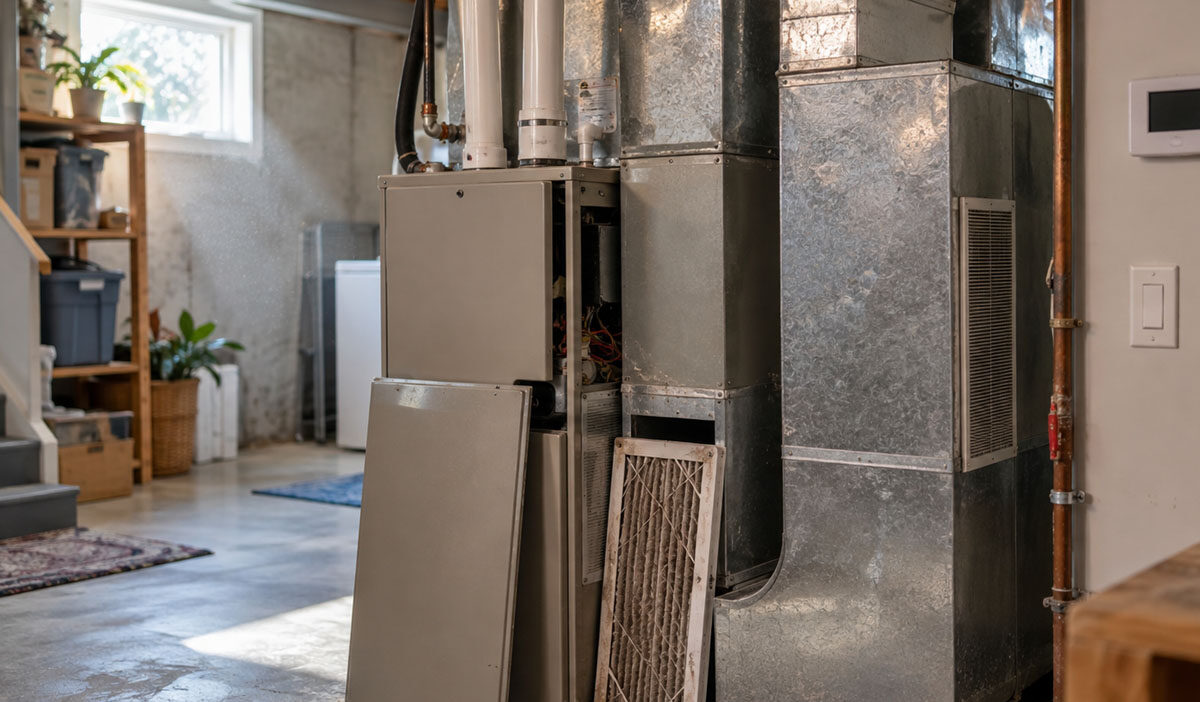
Recurring sounds often map to particular parts. A rattling or tinny flutter can be as simple as a loose blower door or panel screws on the air handler. Screeching usually comes from a worn blower motor bearing or, on older belt-driven blowers, a slipping belt. Rapid clicking at startup may be relay chatter from low control voltage or a failing contactor. Outside, a condenser that buzzes without the fan spinning can indicate a weak start capacitor or a stuck contactor. A grinding or metal-on-metal scrape from the indoor blower wheel suggests a displaced wheel or broken set screw rubbing the housing, which warrants cutting power at the disconnect to prevent further damage.
When an outdoor unit hums and the fan does not start, avoid pushing the fan blade with a stick. That can mask a bad start capacitor and stress the compressor. A trained technician should test the capacitor and contactor with a meter, verify the fan motor amperage, and confirm proper voltage at the disconnect. If you need help locally, an established HVAC repair contractor serving Halifax can safely diagnose humming condensers, noisy blower assemblies, and relay issues without risking further harm to the system.
2. Smells and What They Tell You
Some odors are normal for a short time, while others call for immediate action. A dusty, toasty smell for the first few minutes of heating is often just burnt dust on the heat exchanger or electric heat strips. It should clear quickly with good airflow and a clean filter. A sharp electrical or hot-plastic odor suggests overheating motor windings, a loose wire at a terminal, or a failing blower capacitor. In that case, turn the system off at the thermostat and the breaker to stop current flow, then schedule service. A musty, earthy smell points to microbial growth on the evaporator coil or in a condensate pan that is not draining well.
If you smell natural gas or a sulfur-like odor, leave the building and contact your gas utility or emergency line from a safe location. Sewer-like odors near a closet air handler can result from a dry condensate trap that allows sewer gas into the return plenum; adding water to the trap is a safe first test. Persistent mustiness after cooling cycles can indicate a partially clogged condensate drain line or a pan float switch that is cycling the system. Correcting drainage prevents overflow and protects electronics mounted under the coil from moisture wicking along control wires.
3. Airflow Problems: From Dirty Filters to Iced Coils
Reduced airflow creates a cascade of problems. A heavily loaded filter raises static pressure, starves the blower, and can trip a furnace’s high-limit switch, causing short heat cycles and lukewarm air. On the cooling side, low airflow across the evaporator coil can lead to coil icing. You may notice weak airflow from the supply registers, a cold, frosted suction line outside, and, after shutdown, a sudden gush of water as the ice melts into the condensate pan. Running the system in that state risks liquid refrigerant returning to the compressor, which can damage valves or cause noisy operation.
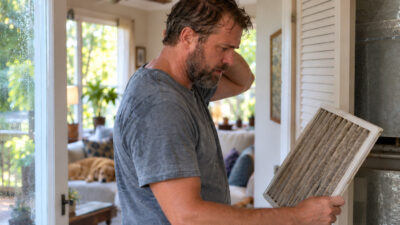
Replace a clogged filter with the correct size and an appropriate MERV rating for your system. Oversized, high-MERV filters can restrict older blowers, so check your equipment manual or ask a pro. Confirm return grilles are not blocked by furniture and that supply registers are open. If you see ice, turn the system off to let the coil thaw naturally. Do not chip at the ice. Once thawed, try fan-only mode for 30 to 60 minutes to dry the coil, then restore cooling. If frost returns quickly, you may have a blower issue, duct obstruction, or a refrigerant problem that needs professional gauges and leak checks.
4. Short Cycling, Hard Starts, and Nuisance Trips
Short cycling means the system starts and stops frequently without reaching the setpoint. A furnace that lights for a minute, shuts down, and repeats may have a dirty flame sensor, a weak inducer motor not providing enough draft to satisfy the pressure switch, or a clogged vent termination. An air conditioner that stops after a few minutes may be tripping a high-pressure cutout due to a filthy condenser coil or a failed condenser fan motor. Thermostat placement also matters: direct sun, a nearby supply register, or a drafty window can cause false readings that confuse cycle times.
If a breaker trips, do not reset it repeatedly. A hard-starting compressor, shorted windings, or a chafed wire can cause a dead short under load and needs inspection with a clamp meter and megohmmeter. Record how long the system runs before shutting off and note any flashing LED codes on the furnace control board. Those blink patterns correspond to specific safeties, such as a limit switch open, a pressure switch stuck, or a flame loss, and they save time when diagnosing intermittent faults.
5. What to Check and Document Before You Call
A few safe checks can speed up repair. Verify the thermostat is set to Heat, Cool, or Auto as intended and that the fan setting (Auto vs. On) matches your test. Inspect the filter size and date of last change. Look for water in or around the condensate pan and confirm the drain line is not kinked. At the outdoor condenser, clear leaves from the coil and ensure the disconnect handle is fully seated. Note the model and serial numbers from the data plates on the furnace or air handler and the condenser. Capture a video of the noise on your phone, a photo of any control board error code, and the exact time the behavior started. Mention any recent power outages, electrical work, or renovations that may have introduced dust into the return duct.
Acting on clues early protects equipment and provides technicians with the context needed to fix the root cause. Clean filters maintain airflow and prevent limit switches and evaporator coils from tripping safety controls. Keeping condenser coils rinsed, drains clear, and thermostat sensors away from heat sources reduces nuisance calls in peak season. When you encounter humming condensers, repeated breaker trips, sharp electrical odors, or ice forming on refrigerant lines, shut the system down and collect details rather than pushing it to run. Clear observations and a short checklist can turn a stressful outage into a straightforward repair visit.