Long, sticky summers and quick spring warm-ups define life in Southeast Alabama. In places like Abbeville, Ozark, Enterprise, and Headland, an air conditioner’s job is not just cooling. It must pull moisture from the air while moving enough clean airflow across the evaporator coil to keep the home comfortable. Preparing now prevents mid-season breakdowns, water damage from clogged drains, and the all-too-common problem of a home that feels cool but clammy. The steps below focus on airflow, moisture control, thermostat strategy, outdoor unit readiness, and when an equipment upgrade truly solves persistent comfort issues.
Airflow comes first: filters, returns, and duct leaks
Start where comfort begins: airflow across the coil. Use a properly sized filter with a realistic rating, such as MERV 8–11 for most 1-inch slots, and replace it every 30 to 60 days during heavy use. An overly restrictive filter or blocked return grill raises static pressure, which can ice the coil and strain the compressor. If you are scheduling expert HVAC services in Abbeville, AL, ask for a static pressure test and a quick check for closed supply registers and crushed flex duct, especially in attics and crawlspaces.
A common scenario in older ranch homes around Abbeville: a vented crawlspace with a leaky supply trunk and only one undersized return. The symptoms are warm rooms far from the air handler, dust around registers, and a unit that runs long but dehumidifies poorly. Sealing seams with mastic, adding a return path, and balancing dampers restore the designed airflow in cubic feet per minute. Better airflow improves sensible cooling and latent moisture removal, preventing short cycling and the “cool but sticky” feel.
Keep water moving: condensate drains, pans, and indoor humidity
Every cooling hour creates liquid water at the evaporator. That condensate must leave through a clear drain line and into a code-compliant termination. In attic installations, confirm there is a secondary drain pan and that its drain is open. Pouring a cup of distilled vinegar into the primary line can slow algae growth. A float switch on the pan or drain tee should cut power if water backs up. Also inspect the black insulation on the larger refrigerant line near the air handler. Gaps can lead to sweating, staining drywall, and dripping onto framing.
Relative humidity around 45 to 55 percent feels comfortable and helps prevent mold growth. If your AC cools the house quickly but the indoor air remains above 60 percent RH, the system may be oversized, or duct leakage may be drawing damp attic air into the home. Avoid leaving the fan set to “On,” as it can re-evaporate water from the coil between cycles and raise humidity. Where tight, newer homes struggle with latent load, a whole-home dehumidifier connected to the return can run independently, removing moisture without overcooling. The trade-off is modest additional energy use for notably steadier comfort.
Thermostat settings that help in the Wiregrass
Large temperature setbacks can backfire in humid climates. A 2- to 3-degree setback is often enough; deeper swings can force long runtimes that make the home feel muggy while catching up. Many smart thermostats offer a dehumidification setpoint or allow variable-speed air handlers to slow down, increasing moisture removal per pass across the coil. If your thermostat can display or control humidity, enable that feature and review the fan settings carefully.
Consider a new-build example in Enterprise with a variable-speed heat pump and a multi-stage thermostat. The homeowner sets the cooling to 75 with a 50% humidity target. The air handler starts at a low CFM to prioritize dehumidification, ramping up only if the sensible load persists. Using a circulation mode that runs the fan briefly each hour for mixing is different from the constant “On” setting. It maintains even temperatures without re-evaporating as much moisture, keeping the living areas comfortable during swing seasons.
Outdoor unit readiness for heat and storms
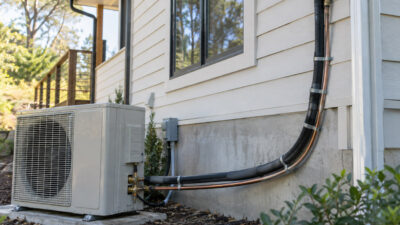
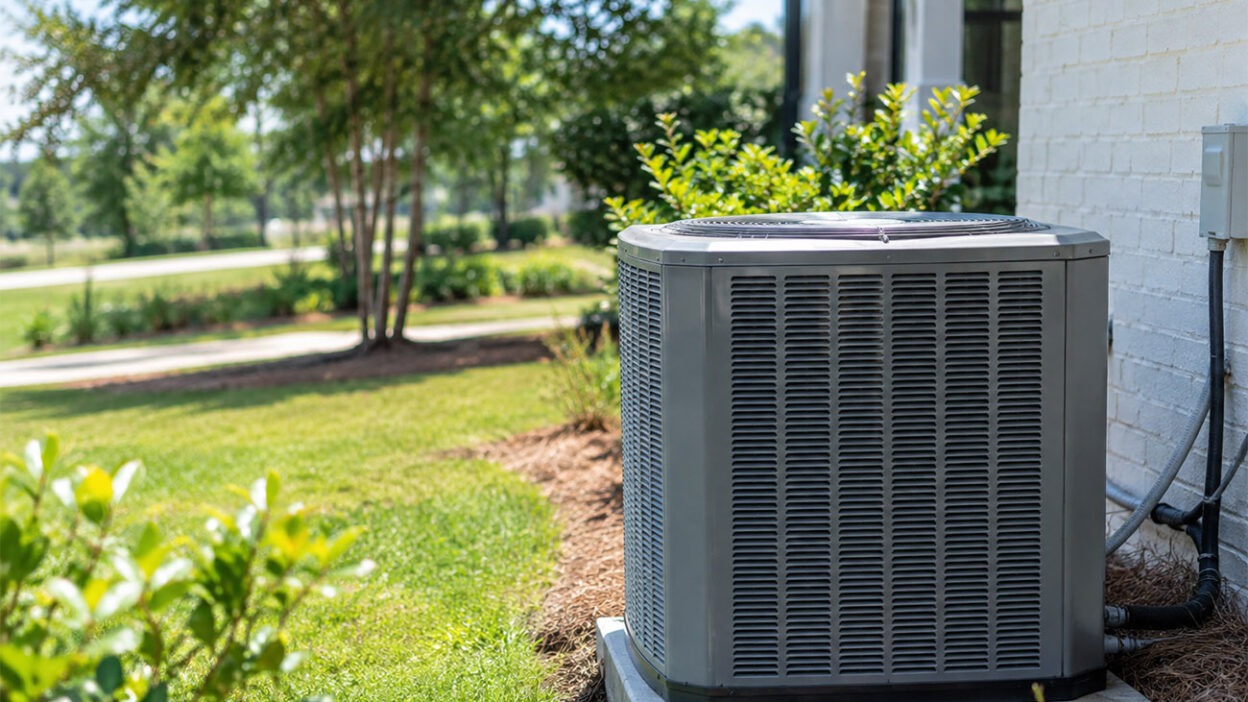
Clear at least 18 to 24 inches around the condenser to allow it to dissipate heat. Gently rinse the outdoor coil with a garden hose, from the inside out, after turning off the power at the disconnect. Grass clippings and cottonwood fluff act like a blanket on the coil, pushing head pressure up and triggering breaker trips. Do not bend fins or blast with a pressure washer. While you are outside, check that the refrigerant line insulation is intact all the way to the service valves and that the unit sits level to maintain proper oil return.
Wiregrass thunderstorms bring power blips and lightning. A whole-house surge protector or an HVAC-specific surge device at the disconnect helps protect control boards and capacitors. Ensure the disconnect is secure and the whip is not pulling. Tie down loose yard items that could damage the fan guard in high winds. These small checks reduce the chance of nuisance failures when the first 95-degree afternoon arrives.
When an upgrade solves persistent comfort issues
If doors sweat in May, bedrooms never match the hallway temperature, and the thermostat is constantly bumped lower to feel dry, equipment type and sizing may be the root cause. A Manual J load calculation and Manual D duct design reveal whether a single-stage system was oversized for the home’s envelope. Two-stage and variable-speed heat pumps hold longer, lower-capacity cycles that wring more moisture from the air. Look for up-to-date SEER2 and EER2 ratings, but pay equal attention to airflow (CFM per ton) and sensible heat ratio in the performance tables.
When discussing a replacement with a local contractor, such as Long Heating, Air, and Plumbing, ask for commissioning data: measured static pressure, coil temperature split, and superheat or subcooling that confirms a correct refrigerant charge. Expect the trade-off of a higher upfront cost for a multi-stage system in exchange for steadier humidity control, quieter operation, and fewer temperature swings. If ducts are undersized, upgrading the blower alone will not improve comfort; the plan should include resizing returns, sealing joints with mastic, and adding balancing to achieve the design airflow.
Early action keeps small HVAC issues from stealing summer comfort across Abbeville, Ozark, Enterprise, and Headland. Prioritize airflow with the right filter and open returns, confirm that condensate drains and pans are clear, dial in thermostat settings that respect humidity levels, and keep the outdoor unit clean and protected. If comfort still lags, a load calculation and duct evaluation can justify whether a staged or variable-speed upgrade will help. Jot down your filter size, the date of your last drain cleaning, and your typical indoor humidity in a notebook. That quick record makes spring checkups faster and conversations with any technician far more productive.