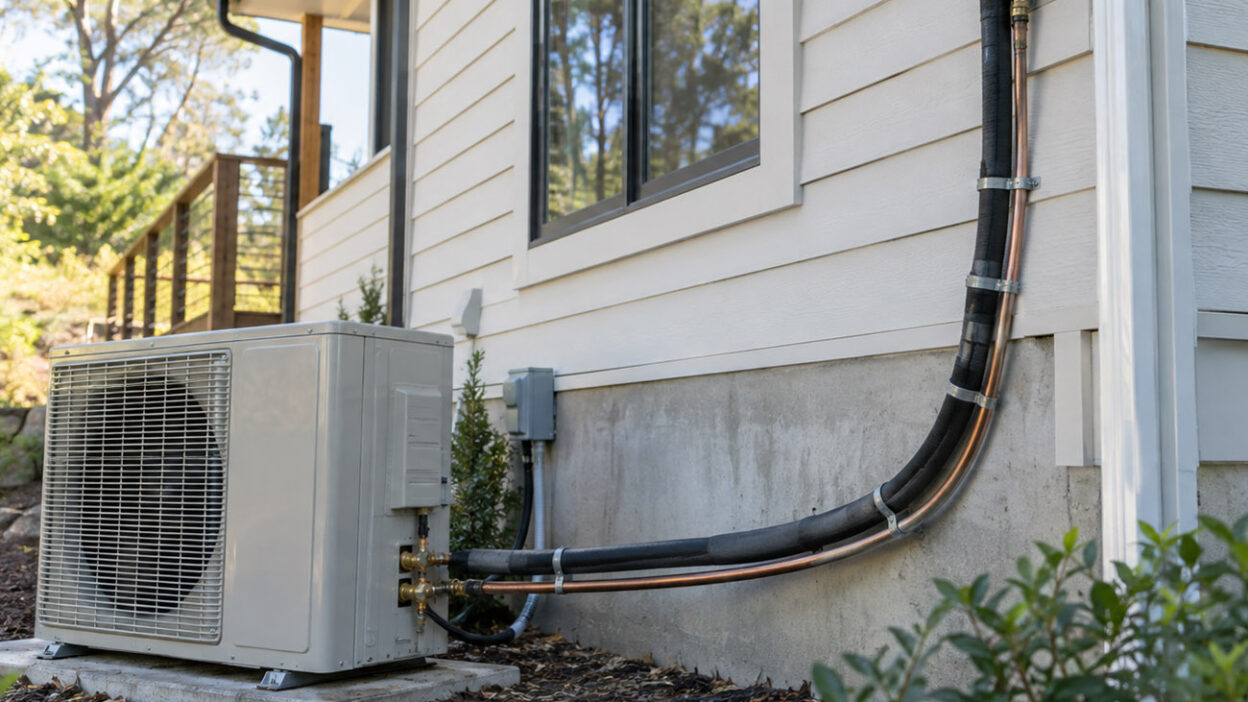
When a heat pump or split air conditioner underperforms, the cause is not always the outdoor unit or air handler. The refrigerant line set connecting them can quietly limit capacity, increase energy use, and shorten compressor life. Line length, tubing diameter, vertical elevation, bend radius, and insulation directly affect pressure drop, oil return, and refrigerant stability. Getting these fundamentals right during a retrofit or new construction project is easier than troubleshooting a starved evaporator or noisy compressor later. This article focuses on one question: how to plan and install line sets so they support the equipment’s rated performance without creating unnecessary maintenance problems.
How Line Length and Fittings Drive Pressure Drop
Every foot of copper tubing and every fitting adds resistance, which contributes to pressure drop. Excessive pressure drop on the suction line can reduce system performance and force the compressor to work harder. In contrast, excessive pressure loss on the liquid line may cause refrigerant to flash before it reaches the metering device. Product pages such as https://ad.engineering/linesets/ can help you compare construction details such as insulation type and protective jacketing so the selected line set suits the planned route and environment.
A practical starting point is to keep runs as short and direct as the building allows, use smooth bends where possible, and avoid unnecessary fittings that add resistance. Do not leave excess tubing in a large coil behind the condenser, as it can complicate routing, encourage oil collection, and transfer vibration to nearby surfaces. If you must shorten or modify tubing, follow equipment manufacturer requirements and applicable refrigeration practices. Maintaining the proper bend radius also helps prevent kinks and restrictions that may not become obvious until the system is operating under heavy load.
Choosing Suction and Liquid Line Diameters for Capacity and Oil Return
Tubing diameter balances pressure drop and refrigerant velocity. On the suction side, larger tubing can reduce pressure drop, but if refrigerant velocity becomes too low, oil may not return reliably to the compressor, particularly in vertical risers. On the liquid side, tubing that is too small can restrict flow and cause refrigerant to flash before the expansion device. In contrast, oversized tubing can create other charging and performance concerns.
The appropriate combination depends on equipment capacity, refrigerant type, line length, elevation, and manufacturer specifications. Always confirm the recommended line sizes in the equipment documentation rather than selecting tubing based only on nominal tonnage.
Consider two realistic situations. In a compact single-story home with a short and nearly level run, a properly approved larger suction line may reduce pressure loss without creating an oil return problem. In a two-story retrofit with a long vertical rise, the same diameter increase could reduce refrigerant velocity too much for dependable oil transport. In that situation, keeping the suction line at the manufacturer-recommended size and simplifying the route may better balance pressure drop and oil return.
Managing Elevation Changes: Vertical Lifts and Oil Traps
Elevation affects refrigerant and oil movement because gravity changes how fluids behave within the piping. When the outdoor unit sits below a higher air handler, refrigerant vapor must carry compressor oil upward through the suction riser. Maintaining appropriate velocity, limiting unnecessary fittings, and keeping the route as direct as possible can help support reliable oil return.
Oil traps are not automatically required on every vertical run. Incorrectly placed or unnecessary traps can hold oil and increase resistance instead of improving performance. Follow the equipment manufacturer’s guidance regarding vertical lift limits, trap placement, and line sizing.
When the outdoor unit is above the indoor coil, gravity creates different concerns. Route lines to avoid unnecessary low points where oil or refrigerant may collect. Keep the suction line properly insulated, and support vertical sections securely with appropriate vibration isolation to reduce mechanical stress on joints.
In either configuration, record the actual vertical elevation difference during installation. Elevation can influence line sizing, refrigerant charge adjustments, and commissioning requirements, so accurate measurements are more useful than estimates.
Routing That Protects the Tubing and Insulation
Even a properly designed refrigeration circuit can develop problems if the copper tubing or insulation is damaged. Where tubing passes through walls, framing, or other building materials, use appropriate sleeves or protective methods and seal penetrations according to applicable building requirements. Outdoor sections should have insulation and protective coverings suitable for exposure to sunlight, weather, and physical damage.
Support horizontal runs at appropriate intervals so the tubing does not sag, rub against framing, or contact masonry. Vibration isolation can also help reduce noise and mechanical fatigue. Avoid sharp bends around structural elements that can flatten or weaken the tubing.
Insulation plays an important role in both efficiency and moisture control. Damaged or compressed insulation can expose the suction line, allowing condensation to form and potentially stain building materials or contribute to corrosion. Seams and joints should remain sealed so the insulation maintains an effective vapor barrier.
In coastal or industrial environments, additional protection may be appropriate to reduce exposure to salt, chemicals, or other corrosive conditions. Protective jacketing and suitable covers can help preserve both the tubing and insulation over time.
Verifying the Installation: Testing, Evacuation, and Documentation
A properly routed line set still needs verification before the system is placed into service. Leak testing, evacuation, refrigerant charging, and brazing should be performed by qualified HVAC professionals using procedures and limits specified by the equipment manufacturer.
During brazing, accepted refrigeration practices can help limit internal contamination. Once the piping is assembled, test the system for leaks using approved methods, then evacuate it with suitable equipment to remove moisture and unwanted gases before charging. Moisture and contamination inside a refrigeration circuit can contribute to poor performance, corrosion, and compressor damage.
Commissioning is where many earlier design choices become visible. Additional tubing length, elevation, or fittings may require refrigerant charge adjustments based on the manufacturer’s instructions. Check operating pressures, temperatures, airflow, and other performance measurements to confirm the completed installation is functioning as designed.
Document the actual line lengths, diameters, insulation type, route, and elevation change in the job file or service records. This information can make future maintenance and troubleshooting much easier.
Protect Performance Through Careful Design and Documentation
Refrigerant line set design involves more than connecting the indoor and outdoor units. Length, diameter, elevation, routing, support, and insulation all influence how effectively refrigerant and oil move through the system.
Follow manufacturer recommendations for tubing size and allowable line length, avoid unnecessary restrictions, protect the copper from physical damage, and keep insulation intact along the route. Proper testing, evacuation, charging, and commissioning are equally important and should be handled by qualified professionals.
When these details are addressed from the beginning, the line set is far less likely to become a hidden source of poor capacity, excessive compressor stress, or recurring service problems. A clean, protected, and well-documented installation helps the heat pump or air conditioner deliver the performance it was designed to provide.