Hialeah sits inside Miami-Dade’s High Velocity Hurricane Zone, so “impact window” is not a style label. It is a specific performance standard that lives in test reports, approvals, and the way a unit is anchored into your wall. If you are planning a replacement, you can quickly narrow down strong choices by looking beyond brochures to product approvals, frame construction, glass makeup, and installation details that actually determine storm resistance and day-to-day comfort. This article explains the key checkpoints, using plain language you can bring to a showroom visit, a permit application, or a walkthrough with your installer, so your next window is both code-compliant and comfortable to live with year-round.
Approvals, DP Ratings, and What the Labels Really Mean
The fastest way to verify hurricane performance in Miami-Dade is to ask for the product’s Notice of Acceptance (NOA) or Florida Product Approval number. These documents show the specific model, allowable sizes, required glass build (laminated with PVB or SGP interlayers), anchoring pattern, and whether it meets large-missile impact testing under ASTM E1886/E1996. For wind resistance, check the design pressure (DP) rating. Taller homes or open exposures often require higher DP values, and the NOA will also specify any mullion reinforcement needed for wide spans. If you are comparing installation specifics close to home, city-focused resources on impact windows in Hialeah from SafeGuard can help frame the conversation about approvals and scheduling.
Do not stop at impact and DP. Air infiltration and water penetration ratings affect comfort and leak resistance during sideways rain. A unit that passes impact tests but has a weak water rating or an installation that ignores sill pan flashing can still admit wind-driven moisture. Ask where approval labels and permanent etchings appear on the glass; inspectors often check them, and these markings help prevent non-rated pieces from being mixed into an opening.
Frame Materials in South Florida: Strength, Heat, and Corrosion
Frame material changes how a window behaves in Hialeah’s UV, heat, and salt-laden air. Aluminum frames deliver high stiffness for large openings and multi-panel sliders; look for robust corner keys, thermal breaks where offered, and powder-coated finishes that resist chalking. The trade-off is heat conduction, which can raise interior frame temperatures and encourage condensation on humid days. Vinyl frames insulate better and resist corrosion, but expansion in the hot sun means they should use internal reinforcement for larger sizes and properly sized screws to maintain adjustability. Fiberglass offers good strength and stability but is less common; verify available approvals for your specific configuration.
Hardware and fasteners deserve equal attention. Coastal-grade stainless steel (often 300-series) resists rust in salty air, especially for rollers on sliding glass doors and multi-point locks on casements. Weep systems should be clear and protected by the design, not hidden behind caulk. Picture a pool-facing patio with chlorine mist and afternoon sun: a reinforced aluminum slider with stainless rollers and UV-stable glazing beads may hold alignment and glide better over time than a lightly built alternative.
Installation That Holds Up: Anchors, Bucks, and Sealant Joints
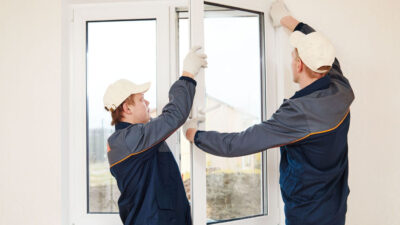
Impact performance lives or dies at the connection to your wall. In concrete masonry (CMU), installers typically fasten through the frame or a continuous flange into the block or tie beam using corrosion-resistant anchors at the spacing and embedment depth specified in the NOA. In wood-framed openings, a properly sized buck (often treated lumber or structural PVC) provides a plumb, flat surface for fastening and helps distribute loads. Sills should include pan flashing or membrane to steer water outward, with setting blocks to keep the glass off the metal. Backer rod and silicone joints need the right width-to-depth ratio so the sealant can flex without tearing during wind cycles.
Common mistakes include measuring the opening only once, then over-shimming a unit until it binds, or burying weep holes under stucco and paint. Either can turn a tested product into a leaker. A realistic example: a second-story window next to a parapet may see concentrated spray during storms. Without a sill pan and positive drainage, water can migrate behind the interior finish even if the glass never breaks. Ask your installer to walk you through fastener locations, weep paths, and any planned stucco or drywall tie-ins before work begins.
Glass Choices for Everyday Living: Low-E, Tint, and Noise
Laminated glass is what stops wind-borne debris, but coatings and interlayers shape how a room feels. Low-E coatings help reduce solar heat gain (often captured by the SHGC value) while preserving clarity. In bright exposures, a gray or bronze tint can tame glare on TVs and countertops. The trade-off is visible light transmission; too dark, and kitchens or home offices can feel dim on cloudy afternoons. For street or airport noise, the same laminated interlayer that holds shards in place also damps sound. Thicker laminates or asymmetric glass build-ups tend to block more low-frequency noise than basic pairings.
Match selections to room use. In an east-facing Hialeah bedroom, a low-SHGC Low-E with a subtle gray tint can cut early-morning heat and glare without turning the space cave-like. On a shaded north elevation, a clearer Low-E may preserve daylight while still managing humidity-driven condensation. Near doors and tubs, check for tempered requirements separate from impact; safety glazing rules still apply, even when the unit is laminated.
Permits, Egress, and After-Installation Care
Permitting in Miami-Dade typically requires stamped product approvals and drawings that match the exact sizes and mullions you plan to install. Changing a double-hung window to a fixed-lite window might affect emergency egress in a bedroom; confirm that the net clear opening still meets code. Homeowners’ associations may restrict grid patterns or exterior colors, and those aesthetic rules can affect lead times if a custom capstock or paint finish is necessary. Clarify whether stucco or interior trim repairs are included in the window scope, and build a schedule that protects openings if rain interrupts the removal day.
Once installed, small habits preserve performance. Rinse frames and tracks with fresh water to remove salt, especially after onshore winds. Keep weep slots clear and avoid sealing them over with fresh paint. Inspect perimeter sealant yearly for cracks and re-caulk with a compatible silicone if gaps appear. Lubricate locks and rollers with a manufacturer-approved product; petroleum sprays can swell some vinyl or degrade gaskets. Before hurricane season, operate every sash and door, confirm locks engage fully, and make sure you can find your approval paperwork. Good products, correctly fastened and cared for, are far more likely to deliver the strength they were designed and tested to provide.