Your mouth acts as the main doorway to your entire body, hosting a complex community of microorganisms. When you maintain clean teeth and healthy gums, beneficial bacteria keep harmful species under control. However, poor oral hygiene lets pathogenic bacteria multiply and form a sticky biofilm known as plaque. Over time, this biofilm causes localized inflammation that irritates soft tissue and breaks down the protective barrier around your teeth.
Research from the Centers for Disease Control and Prevention indicates that over 47 percent of adults over age 30 experience some stage of periodontal disease. When gum disease remains unaddressed, oral bacteria do not stay confined to your mouth. They can enter your circulatory system, triggering chronic systemic inflammation and elevating risks for cardiovascular problems, diabetes complications, and respiratory conditions.
The oral-systemic connection: How gum bacteria enter the body
The tissue lining your gums acts as a physical shield preventing oral bacteria from penetrating deeper structures. When plaque accumulates near the gumline, bacteria release acidic toxins and enzymes that cause soft tissue swelling, redness, and bleeding. This early stage of inflammation, known as gingivitis, degrades the cellular structure of your gum liner.
As inflammation worsens, tiny ulcerations form inside the hidden pockets between your teeth and gums. These microscopic tears allow oral pathogens and inflammatory proteins to cross directly into your bloodstream. Once in circulation, these compounds travel throughout your vascular network, impacting major organ systems:
- Cardiovascular wellness: Circulating oral bacteria can attach to fatty deposits inside blood vessels. This bacterial presence encourages blood clot formation and arterial narrowing, increasing the risk of heart attacks and strokes.
- Blood sugar management: Chronic periodontal inflammation raises systemic inflammatory markers, making it harder for cells to absorb glucose. This creates a difficult cycle for individuals living with type 2 diabetes.
- Respiratory protection: Inhaling bacterial particles from severe gum infections into your lungs raises the likelihood of bacterial pneumonia and chronic bronchitis, especially in older adults.
Essential daily habits for plaque control
Preventing oral bacteria from reaching dangerous levels depends on consistent, daily care. Mechanical plaque removal remains the most effective way to protect both enamel and soft tissues.
Building a strong home routine involves specific daily techniques:
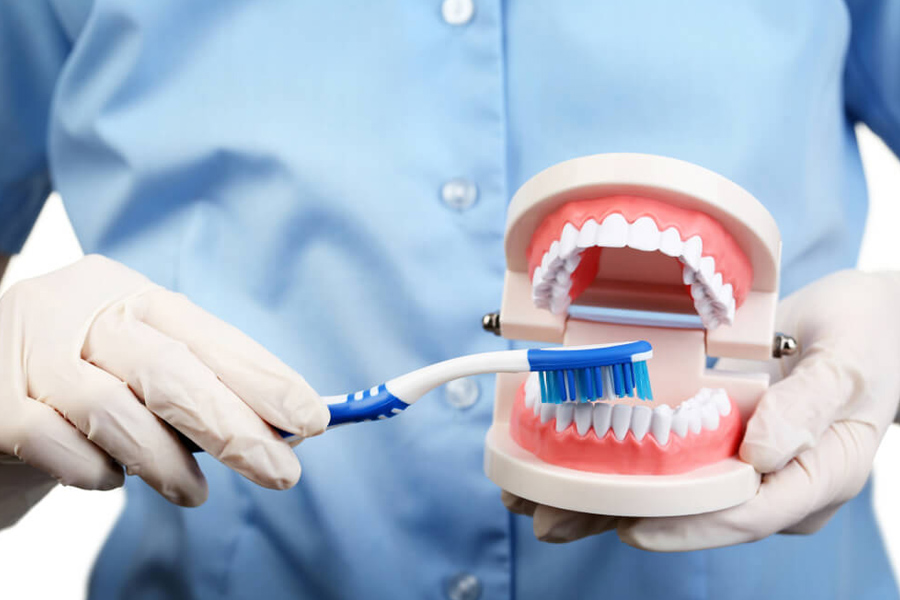
- Brush twice daily for two minutes: Use a soft-bristled toothbrush held at a 45-degree angle against your gumline. Clean all surfaces using short, gentle strokes rather than aggressive scrubbing, which recedes gums and wears down protective enamel.
- Clean interdental spaces every evening: Standard toothbrush bristles reach only 60 percent of your tooth surfaces. Use string floss, interdental brushes, or a water flosser daily to remove debris from tight spaces where plaque thrives.
- Incorporate fluoride toothpaste: Toothpaste containing fluoride re-hardens enamel that has been weakened by daily acid attacks, stopping micro-cavities before they break through the outer tooth surface.
- Clean your tongue daily: Bacterial biofilm coats the papillae on your tongue. Using a tongue scraper or soft brush removes lingering microorganisms that cause unpleasant breath and re-contaminate clean teeth.
When plaque hardens into tartar and requires clinical care
Despite careful home brushing and flossing, soft plaque can accumulate in tight crevices or behind lower front teeth. If plaque remains undisturbed for 24 to 48 hours, minerals in your saliva calcify the soft biofilm into a hard substance called tartar or calculus.
Once tartar bonds to your enamel and root surfaces, toothbrush bristles and string floss can no longer remove it. Tartar features a rough, porous surface that traps fresh bacterial layers, driving inflammation deeper into your jawbone. Removing this calcified deposit requires specialized ultrasonic scaling and hand instrumentation from trained dental professionals.
Scheduling regular examinations with an experienced dentist in Rochester, NY gives you access to comprehensive periodontal evaluations, deep scaling, and targeted preventive care. Working alongside Dr. Julie Beach ensures that subtle signs of gum tissue breakdown are identified early, stopping localized inflammation before it damages supporting bone or spreads into your bloodstream.
Dietary choices and enamel protection
Your daily diet directly influences how quickly oral bacteria reproduce and produce harmful acids. Every time you consume foods containing sugars or refined carbohydrates, oral microorganisms consume those simple sugars and release acids that drop your mouth’s pH below 5.5.
At this acidic level, vital minerals like calcium and phosphate leach out of your tooth enamel. To shield your enamel and maintain a healthy oral environment, consider these practical adjustments:
- Reduce snacking frequency: Constant grazing throughout the day keeps your mouth in an acidic state. Group sweet or starchy foods into main meals so your saliva has time to neutralize acids naturally.
- Drink plenty of water: Water flushes loose food particles away and helps maintain optimal saliva production. Saliva contains crucial enzymes and minerals that repair softened enamel.
- Wait 30 minutes after acidic items: Consuming citrus fruits, coffee, or wine temporarily softens your enamel. Swish plain water immediately after eating, and wait at least 30 minutes before brushing to avoid abrading the temporary soft surface.
Recognizing early warning signs of oral health risks
Dental issues rarely cause noticeable pain during their initial stages. Paying attention to subtle physical changes in your mouth helps you catch conditions before they evolve into complex health issues:
- Bleeding during brushing or flossing: Healthy gum tissue does not bleed under gentle pressure. Persistent bleeding indicates active gingival inflammation.
- Chronic bad breath: Persistent unpleasant breath usually stems from volatile sulfur compounds produced by bacterial colonies buried deep within gum pockets.
- Receding gumlines: Teeth that appear longer indicate that soft tissue is pulling back, exposing sensitive root structures that lack protective enamel.
- Increased thermal sensitivity: Sudden sensitivity to hot or cold foods signals enamel thinning, small fractures, or exposed root surfaces that need clinical attention.
Protecting your long-term wellness with proactive care
Taking control of your oral hygiene offers returns that go far beyond a bright smile. Combining two minutes of thorough brushing twice a day with evening interdental cleaning, smart dietary habits, and routine professional cleanings creates an effective defense against systemic health risks. Investing time in preventive dental care today preserves your natural teeth, protects your jawbone, and supports your overall physical health for years to come.