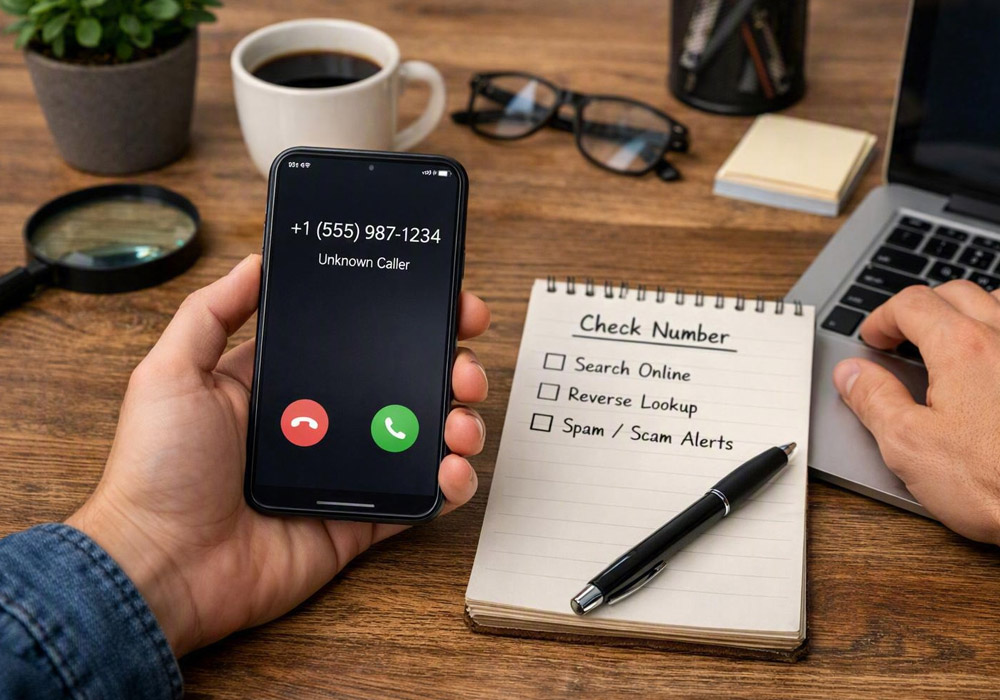
An unfamiliar number showing up on a phone screen creates an immediate, small moment of hesitation for a lot of people, and for good reason. Scam calls have become sophisticated enough that voice alone isn’t always a reliable way to judge legitimacy. Using a scam number checker like the one from Malwarebytes, before calling back, or before sharing any information over the phone, has become a practical habit worth building into everyday caution.
Look Up the Number Before Responding
A quick search of an unfamiliar number often surfaces reports from others who’ve received calls from the same source, which can be one of the fastest ways to spot a known scam pattern before it has a chance to unfold. This kind of check takes less time than the call itself and can prevent a costly mistake.
Watch for Spoofed Local Area Codes
Scammers frequently spoof local area codes to appear more trustworthy, so a number that looks local isn’t automatically a safe bet. Verifying the actual source of a call matters more than the area code alone suggests. A spoofed number can appear to come from a neighbor or even a known business without any real connection to either.
Be Cautious With Numbers Claiming to Be Official Organizations
Legitimate government agencies and financial institutions rarely initiate contact by phone demanding immediate payment or personal information. A call claiming otherwise is worth verifying independently before responding, ideally by contacting the organization directly through a number found on its official website. Urgency and pressure are two of the most reliable warning signs of a scam call in progress.
Never Confirm Personal Information Based on the Caller’s Claims Alone
Scammers often already have partial information and use it to sound credible, so confirming personal details simply because a caller seems to already know something isn’t a reliable safety check. Data from past breaches often gives scammers just enough detail to sound convincing without actually representing who they claim to be.
Cross-Reference With Multiple Sources
Checking a number against more than one lookup source or scam-reporting database provides a more complete picture than relying on a single tool alone, particularly for a number that seems suspicious but isn’t obviously flagged. Newer scam numbers sometimes haven’t been reported widely enough to show up in just one database.
Verifying an unfamiliar number takes only a few minutes but can prevent a costly mistake. As scam calls continue to grow more convincing, building this quick verification step into everyday habits offers a meaningful layer of protection against a threat that shows no signs of slowing down. A brief pause before responding is often the single most effective defense available.