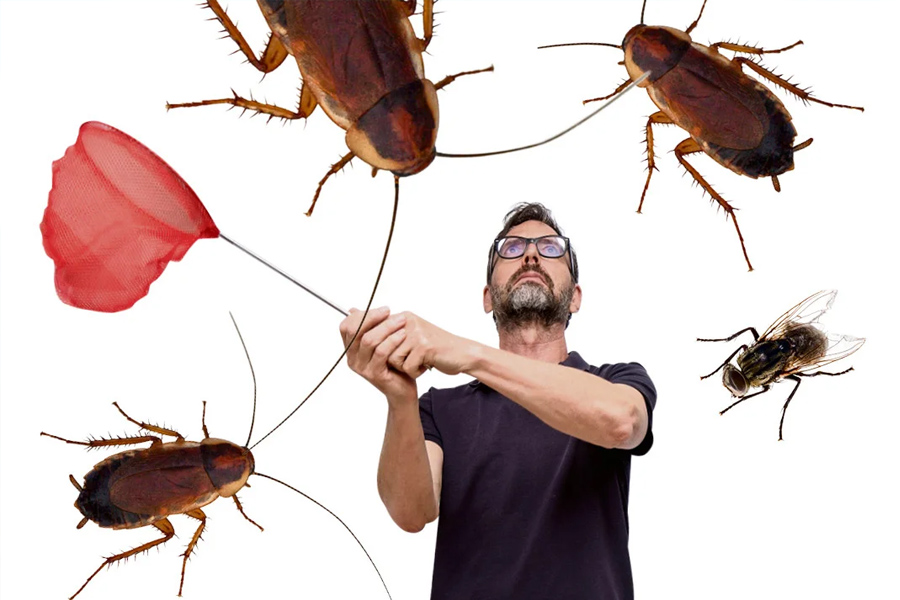
Principles for a Kinder, Cleaner Approach
Pest control doesn’t need to be a chemical war. Modern, ethical strategies address your home as an ecosystem and use the least destructive tool for a sustainable effect. The goal is straightforward. minimize pests that threaten health or property, safeguard beneficial species, and minimize air, soil, and water pollutants. Consider it indoor gardening. Structure, ventilation, and cleanliness make invaders struggle. Precision and measure are used as necessary.
First comes prevention, then monitoring, then focused treatment in ethical management. For certain conditions with documented safety measures, conventional broad sprays are the final resort. This hierarchy matches Integrated Pest Management, a time-saving and household-safe strategy.
Build the First Barrier: Exclusion and Maintenance
Every pest that enters your home uses the same playbook. Find a gap, follow scent or warmth, and locate food, water, or shelter. Your job is to close the stage door and dim the lights.
Small building envelope improvements pay off. Add door sweeps to block light under external doors. High-quality silicone or sealant should seal pipe and cable cracks in walls. Fix fly screens and install fine stainless steel mesh on vents. Custom weep hole guards enable airflow but restrict entrance. Install garage door brush seals and attic hatch weatherstripping in older homes.
Moistness attracts. Drips and slow leaks, sweating pipes, bathroom ventilation, and dry, airy under sinks are all important. Outside, slope dirt and paving away from the foundation, clean gutters, and prevent irrigation from wetting walls. Firewood should be stored off the ground and walls. Trim vegetation away from the structure. A neat garden with compost and bins closed reduces bug breeding space.
Smart Monitoring and Realistic Thresholds
Unmeasured things cannot be managed. Monitoring turns conjecture into strategy. The kitchen, laundry, and roof void access points should have insect monitors. Grid-patterned sticky traps reveal species and movement direction. Pheromone lures indicate pantry moth activity before food damage. Chalk lines or talc dusting reveal runways and non-baited snap traps in locked cages can track rats without poison.
Choose a presence level that suits your house and health. After rain, a few benchtop scout ants may not warrant chemical treatment. A line of workers approach the pantry. Set area-based thresholds. Zero tolerance for cockroach captures in food preparation areas, minimal tolerance in roof spaces, and tailored interventions in garden sheds. This lets you act early and avoid unneeded treatments.
Safer Tools That Target Precisely
When intervention is necessary, choose tools that focus on the offender while sparing everything else.
Gel baits for ants and cockroaches deliver small doses where pests forage, reducing airborne residues. Insect growth regulators interrupt breeding cycles without acute knockdown and are especially useful for roaches and stored product pests. Borate dusts and diatomaceous earth used in cracks and voids damage insect cuticles mechanically rather than chemically. Light traps that use UV in kitchens and patios intercept flying insects without fogging rooms. Heat and steam are powerful for bed bugs and mites in furniture and fabrics if applied correctly.
Pheromone traps are silent heroes. They attract pantry moths to sticky surfaces, preventing food waste without spraying cupboards. Kitchen sanitation and liquid traps work better than aerosols for fruit and vinegar flies.
Prioritize mechanical rodent capture. Tamper-resistant stations with professional snap traps contain the gadget and protect pets and children. Put on walls with droppings and rub marks and fasten. Do not use adhesive boards, which can discomfort animals and non-target catches. Only use poisons for significant infestations after exclusion and trapping have failed, and only under a regulated plan that limits pet, wildlife, and secondary consumer dangers.
When DIY Is Enough and When to Call a Professional
With time and the correct equipment, homeowners can fix many ailments. Small ant infestations, German cockroaches found during a cabinet clean, and pantry moths found in a neglected bag of flour all DIY-friendly. Sanitize, seal, bait, and monitor. Monitor outcomes for two to four weeks and adjust carefully.
When pests threaten health or the structure, identification is unknown, or DIY fails, call a qualified technician. Specialist diagnoses are needed for large rat populations, commercial kitchen cockroach activity, and wood borers and termites. Moisture meters, thermal imaging, dusting tools, and baiting systems allow professionals to deliver low-toxicity choices at effective doses. An integrated building and pest inspection lets you address fundamental problems rather than symptoms.
Spotlight on Termites in Timber Homes
Termites are a special case. They build quietly and eat silently, then present you with a bill for the floor. Australian conditions are perfect for subterranean colonies, and the damage clock starts long before you see anything.
Your maintenance calendar should include prevention. Show slab edges without soil or mulch. Do not stack sleepers, logs, or cardboard against walls. Keep subfloor airflow free and fix leaks fast. When ground contact is inevitable, use treated timber and keep metal or plastic physical barriers after building.
Trained eyes and equipment that hear or image wood movement are optimal for detection. Feel free to check. Check skirtings and window frames for drum-like hollows. Look for pencil-thin tubes spanning masonry or piers. Avoid knocking down active tracks. Termites often move deeper or sideways when a door is closed without a strategy. Hire a professional termite specialist to map the gallery and establish a bait station or treated zone program. Termite work is not for experimentation.
Ethical Handling of Protected Wildlife
Some visitors are not pests at all, but protected neighbours. Possums, native bees, and snakes require care and respect.
If a possum has found a warm roof space, the solution is to find how it gets in, install a one way door after confirming no young are inside, and seal the entry once the animal has left. In Australia, relocation rules are strict. Only licensed people may handle possums, and only within very short distances that keep them in their home range.
Bees clustering on a branch rest while scouts hunt a new home. Call a beekeeper or qualified professional to collect and rehome the colony instead of spraying. A skilled eye can distinguish native bee habitats from invasive honeybees, which should be protected.
If a snake arrives in the yard or shed, keep children and dogs away and watch it. To limit building movement, close doors and seal gaps with towels. Avoid catching or killing it. It’s prohibited to harm native snakes unless in emergencies, and licensed snake handlers may safely remove and transfer them.
FAQ
What is the cleanest way to deter ants without fogging the kitchen?
Wipe benches, cupboard shelves, and floors thoroughly to remove food and trails. Seal trail access places with caulk. Runways and ant entrances should include slow-acting gel baits so workers may transport them back to the nest. Contact sprays repel ants and hinder transfer, so avoid spraying bait.
Are glue boards a humane option for rodents or insects?
Glue boards create protracted suffering and collect helpful insects and tiny reptiles. Use enclosed snap traps for rats to catch them quickly and keep them away from pets. Choose enclosed sticky monitors and pest-targeted pheromone traps for insect monitoring.
Can essential oils replace all pesticides?
Essential oils can repel some insects at close range and are handy tools, but they are not a cure-all. Many oils evaporate quickly, and some can upset dogs and people at high quantities. Add them to exclusion, sanitation, and baits rather than using them alone.
How often should a timber home be checked for termites?
Most of Australia should have annual expert inspections, with shorter intervals in high-risk areas or following building work. Between visits, maintain slab edges visible, manage moisture, and look for bubbling paint or drooping skirtings that may suggest hidden damage.
Is diatomaceous earth safe to use indoors?
Use only food grade diatomaceous earth and apply it lightly into cracks and voids, not as a visible layer on floors. It works mechanically on crawling insects but can be dusty. Avoid breathing dust, keep it away from air intakes, and vacuum residues after the problem is resolved.
How can I protect pets while using baits and traps?
Lock baits and mechanical traps beneath appliances or in ceiling cavities with controlled access to keep dogs out. Target insects with gel baits instead of sprays. Prefer enclosed traps over free rodenticide blocks in open spaces. Pesticides should be enclosed away from animal food and water.